18 Mar
Stone Wash vs Enzyme Wash in Denim Processing
Compare stone wash vs enzyme wash in denim processing. Learn how the enzyme wash process reduces denim washing defects and indigo dye washing problems.
Denim Processing: Stone Wash vs. Enzyme Wash
Denim finishing depends on washing techniques to create desired fashion effects. Two widely used methods are stone wash and enzyme wash. Production managers must choose the right method based on cost, quality, and efficiency.
Understanding the difference between stone wash vs enzyme wash helps reduce denim washing defects, improve consistency, and control indigo dye washing problems during production.
What Is Stone Wash
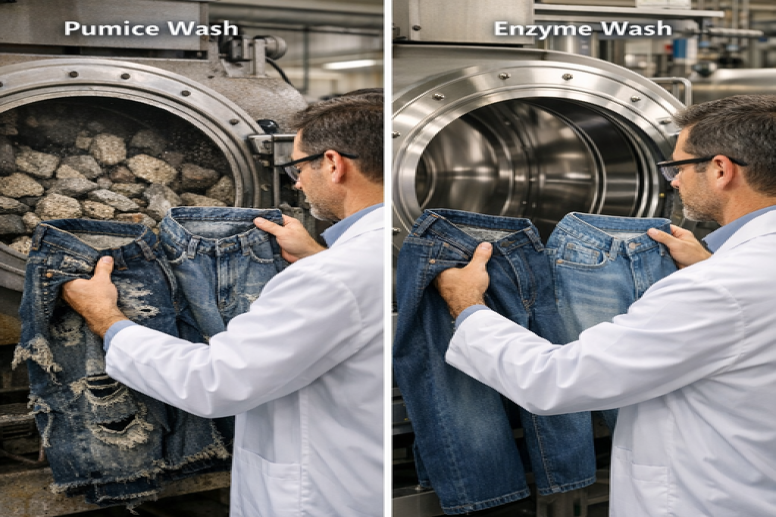
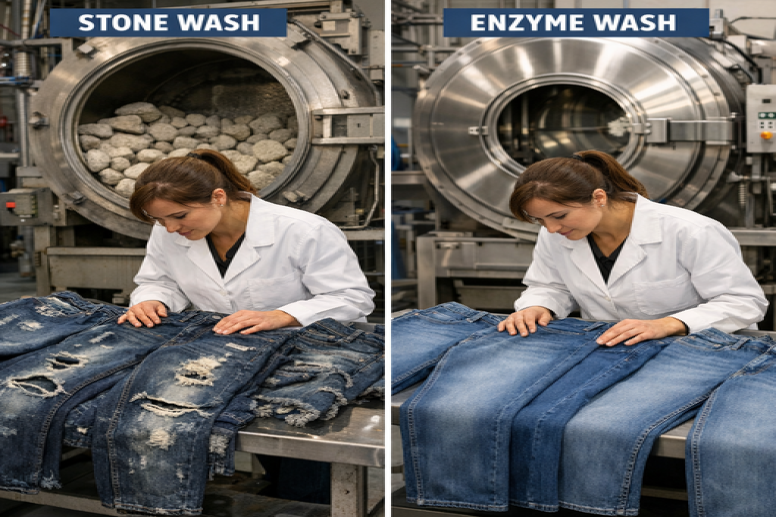
Stone washing uses pumice stones inside washing machines to create abrasion on denim garments. The stones rub against fabric surfaces and remove indigo dye from raised fibers.
Key characteristics
mechanical abrasion process
heavy garment damage risk
high solid waste generation
irregular fading effects
higher machine wear
Stone washing creates strong vintage looks but requires careful control to avoid defects.
What Is Enzyme Wash
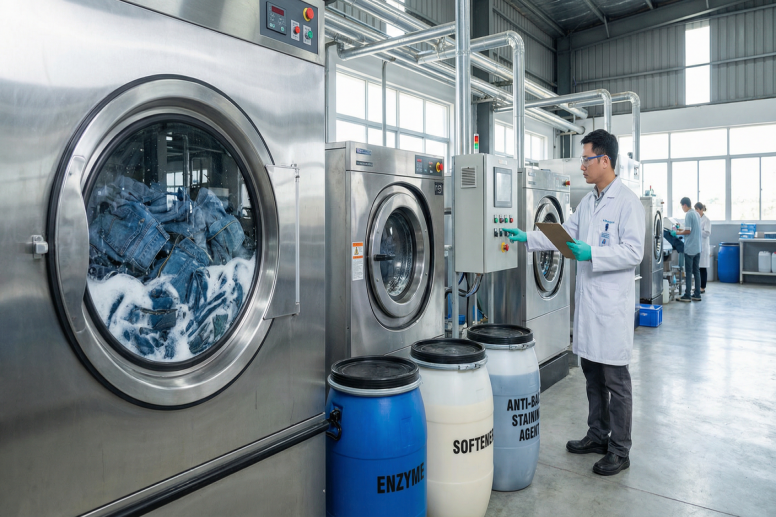
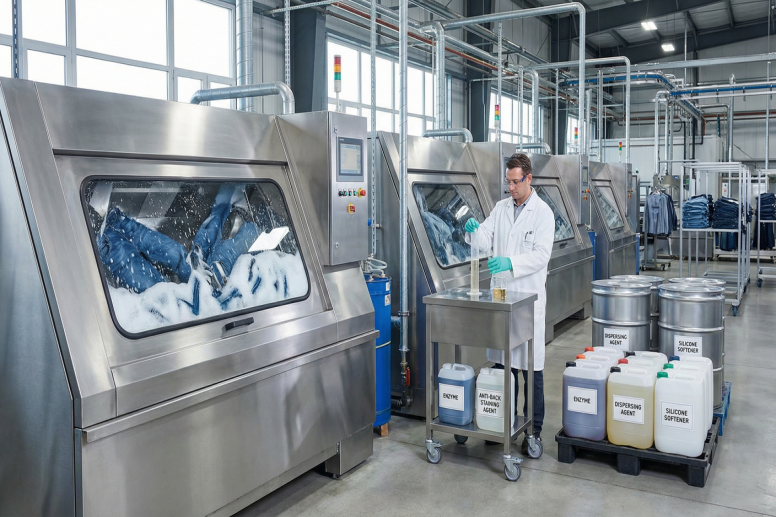
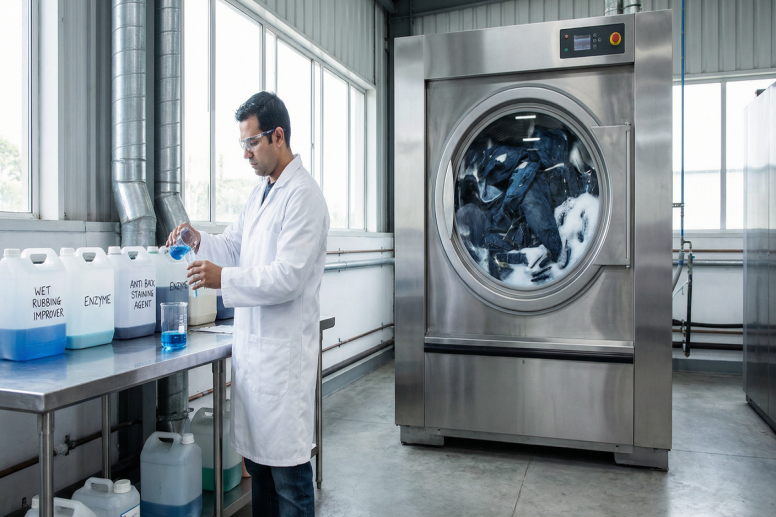
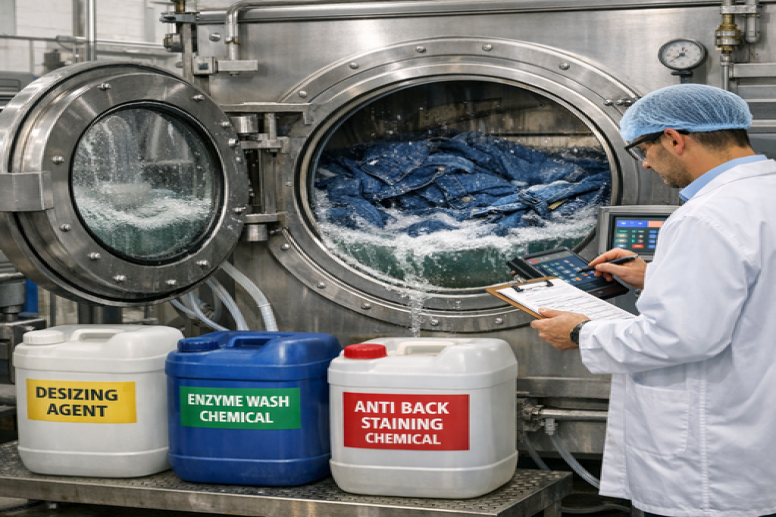
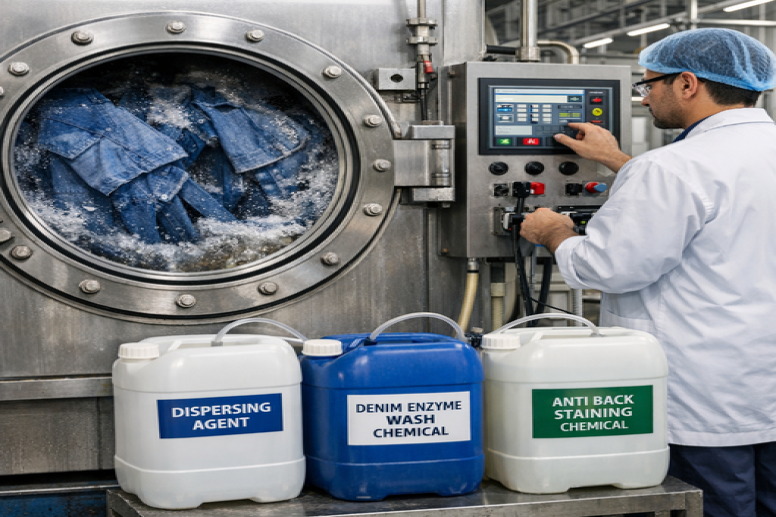
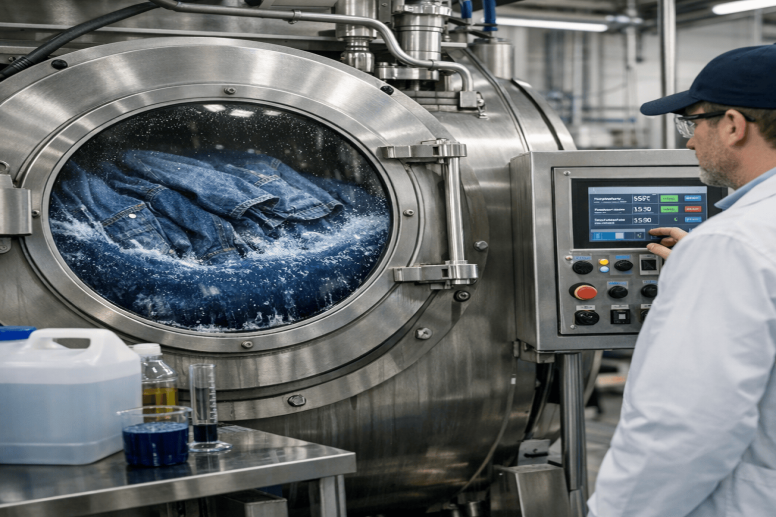
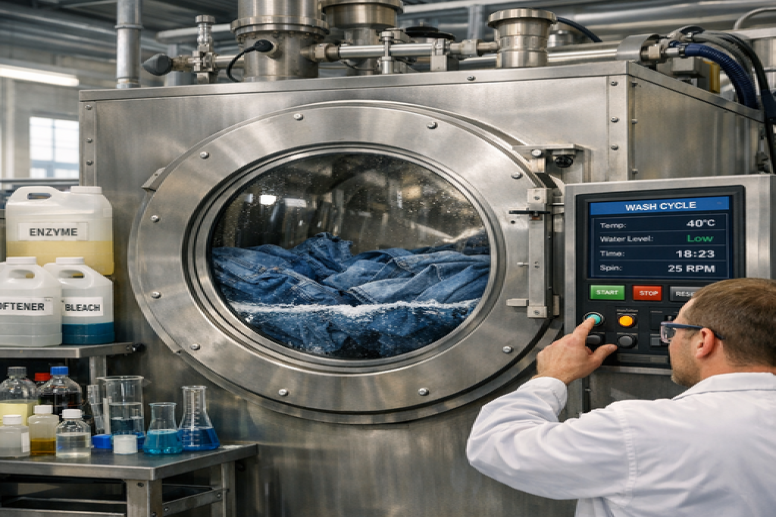
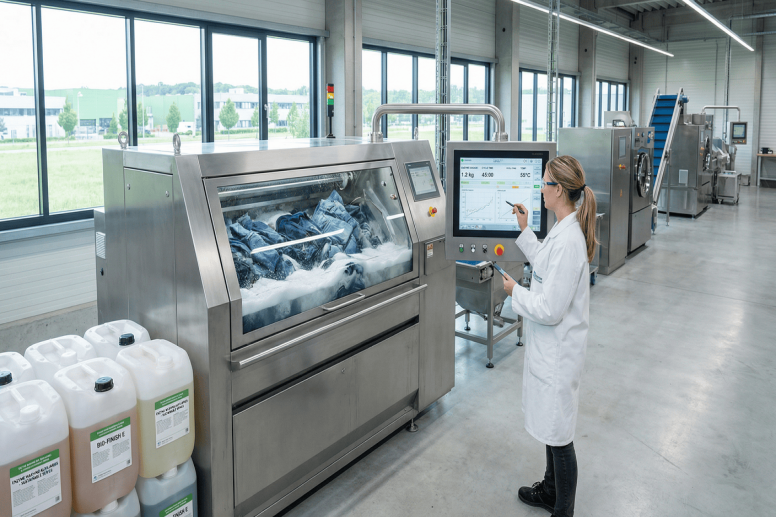
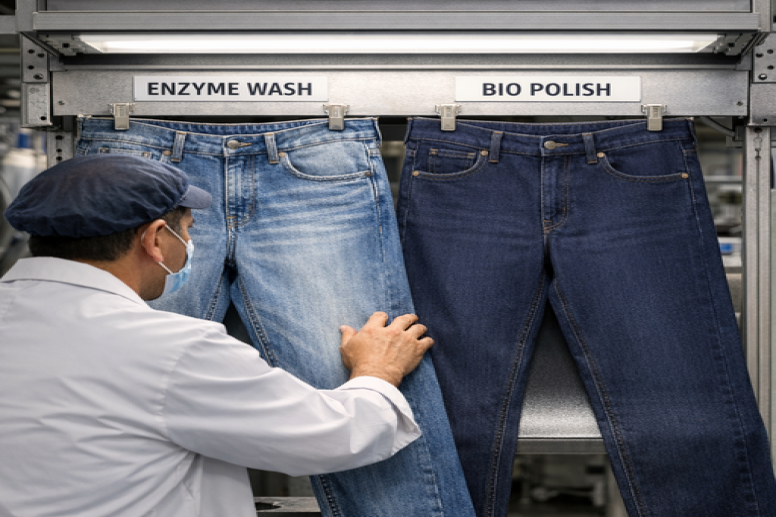
The enzyme wash process uses cellulase enzymes to break down surface fibers in denim fabric. This biological reaction removes small fiber fragments and produces a faded appearance.
Key characteristics
controlled chemical process
lower fabric damage
uniform fading effect
reduced solid waste
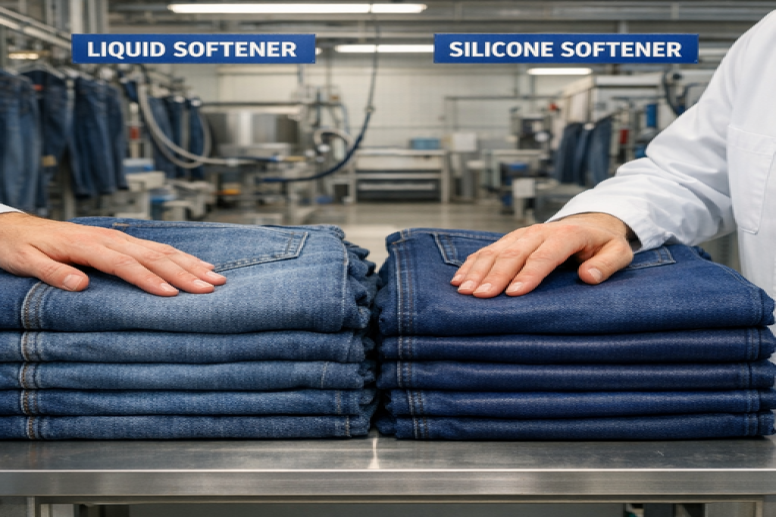
improved fabric softness
Enzyme washing provides consistent results with better process control.
Key Differences Between Stone Wash vs Enzyme Wash
Process Type
Stone wash uses mechanical abrasion
Enzyme wash uses biochemical reaction
Fabric Damage
Stone wash causes higher fiber damage
Enzyme wash maintains fabric strength
Washing Consistency
Stone wash produces uneven results
Enzyme wash provides uniform fading
Production Efficiency
Stone wash requires longer cleaning and maintenance
Enzyme wash improves cycle efficiency
Environmental Impact
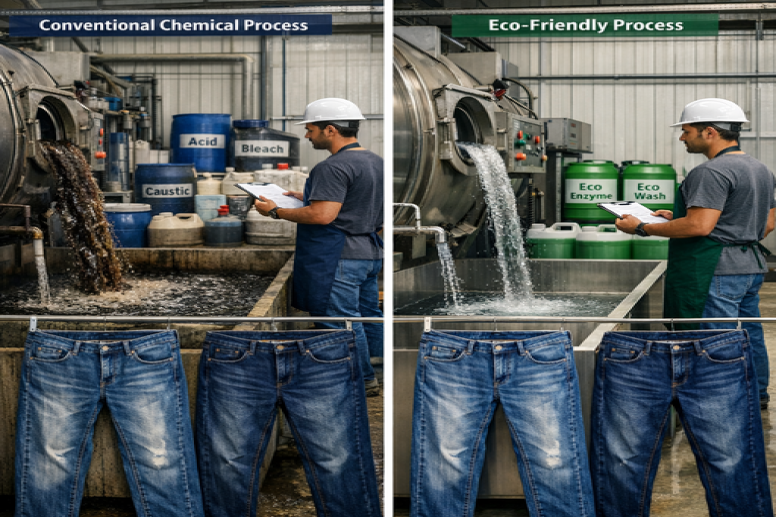
Stone wash generates solid waste from stones
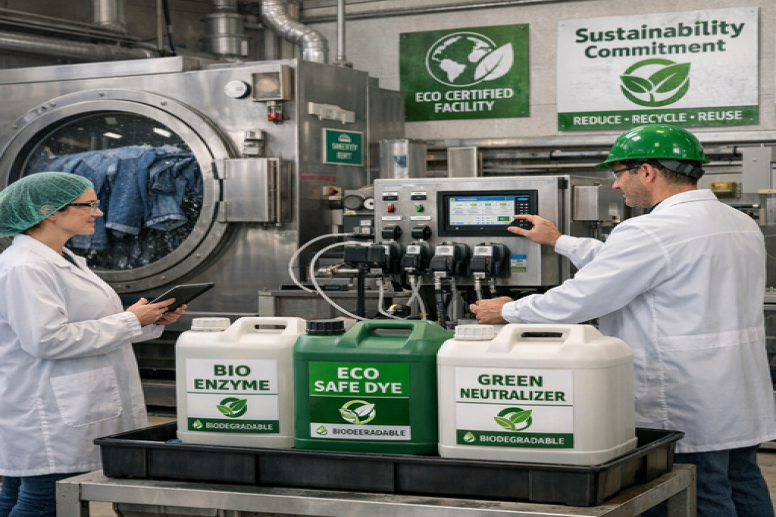
Enzyme wash reduces waste and supports sustainable production
Impact on Denim Washing Defects
Stone washing increases risk of defects such as:
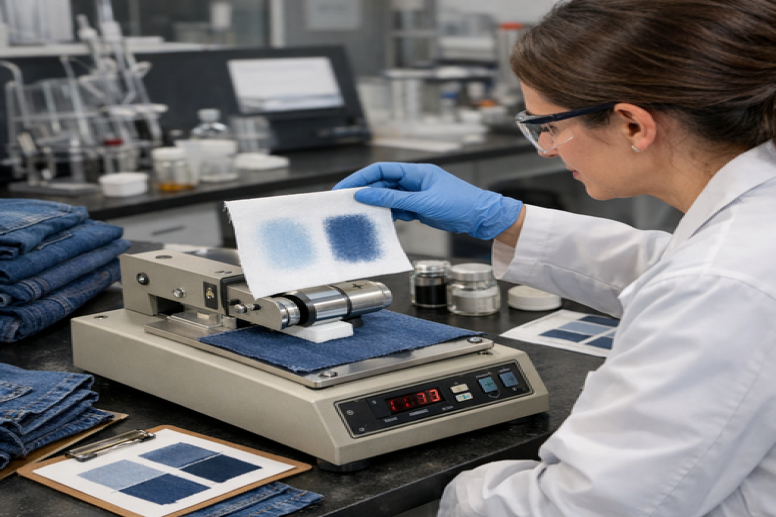
back staining from loose dye particles
uneven fading
fabric damage and tearing
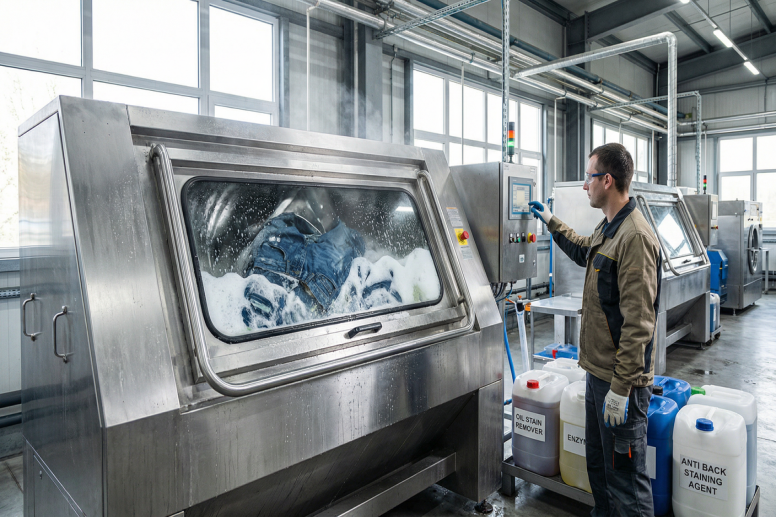
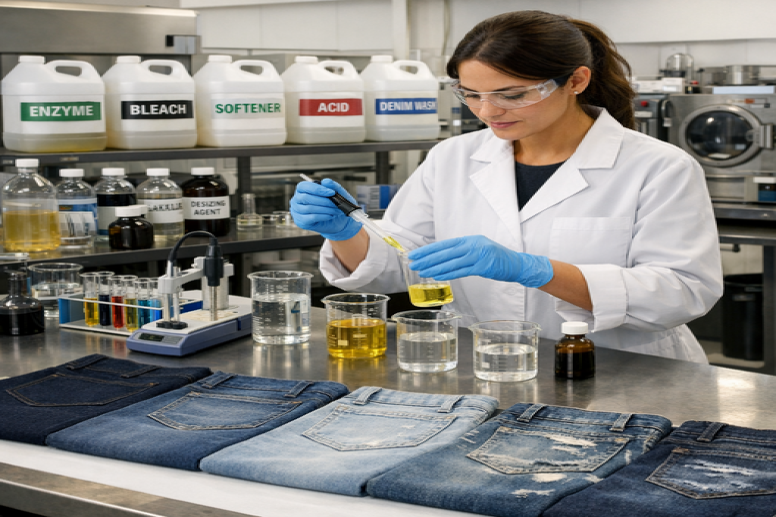
The enzyme wash process reduces these risks when properly controlled. However, incorrect enzyme dosing may still cause indigo dye washing problems such as dye redeposition.
Cost Comparison
Production managers must evaluate total process cost.
Stone wash cost factors
pumice stone consumption
machine maintenance
additional cleaning time
higher labor requirement
Enzyme wash cost factors
enzyme chemical cost
controlled process setup
lower maintenance cost
Enzyme washing often provides better cost efficiency due to reduced reprocessing and improved consistency.
When to Use Each Method
Use stone wash when
strong vintage or heavy abrasion effect required
design demands irregular fading
Use enzyme wash when
consistent shade required
reduced damage needed
higher productivity required
sustainable production is a priority
Production managers should select the method based on product requirement and cost control.
Conclusion
The comparison of stone wash vs enzyme wash shows clear differences in process, cost, and performance. Stone washing creates strong visual effects but increases damage and waste. The enzyme wash process offers controlled fading, lower defects, and improved efficiency.
For modern denim washing plants, enzyme washing provides better control over denim washing defects and reduces indigo dye washing problems while supporting sustainable production.