15 Mar
Case Study. Cost Reduction in Denim Washing Process Through Chemical Optimization
Learn how denim washing factories reduce production cost through chemical optimization. Case study covering root cause, chemical solution, dosage, and production results.
Cost Reduction in Denim Washing Process. Factory Case Study
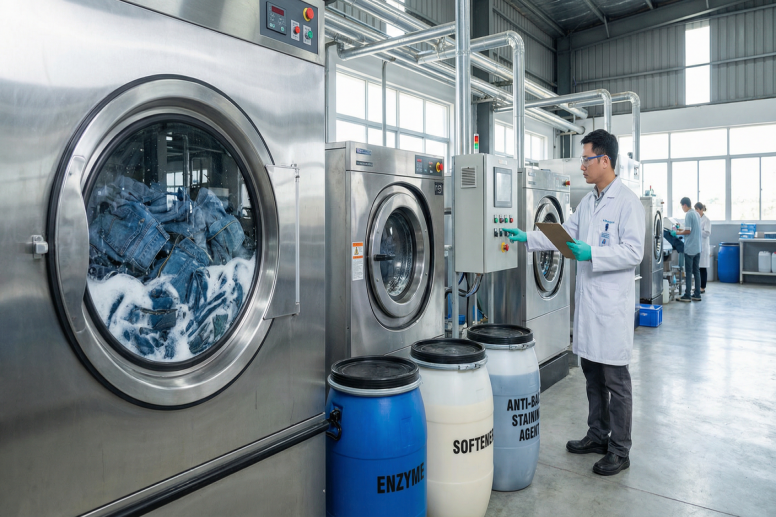
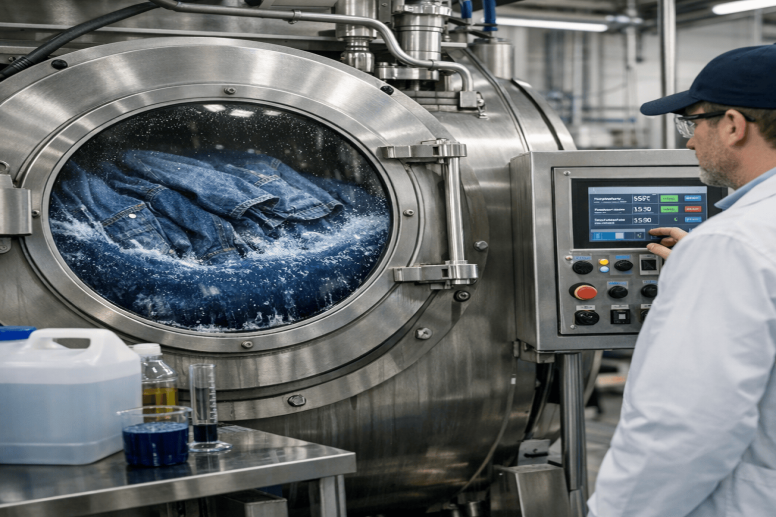
Denim garment washing involves multiple chemical treatments such as desizing, enzyme washing, bleaching, neutralization, and softening. Each stage uses water, energy, and garment washing auxiliaries. Inefficient chemical use increases production cost and reduces factory profitability.
This case study explains how a denim garment washing factory reduced operating cost through process optimization and improved use of garment washing auxiliaries.
Problem in Factory
A large garment washing plant processing enzyme washed denim garments experienced high washing cost per piece.
Factory management observed several issues:
excessive chemical consumption during washing stages
long washing cycles with unnecessary rinsing
high water and energy usage
reduced production efficiency due to repeated washing steps
The washing cost reached approximately 0.42 USD per garment, which reduced the factory profit margin.
Root Cause
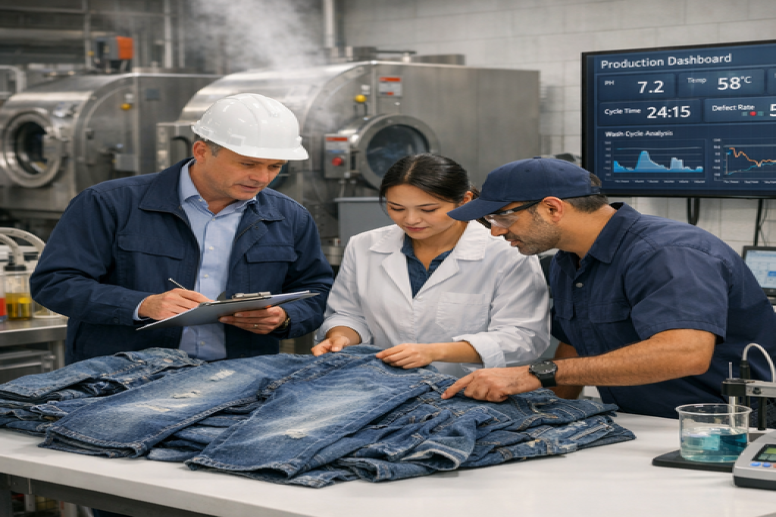
Technical analysis of the washing process revealed several factors responsible for the high production cost.
Main causes included:
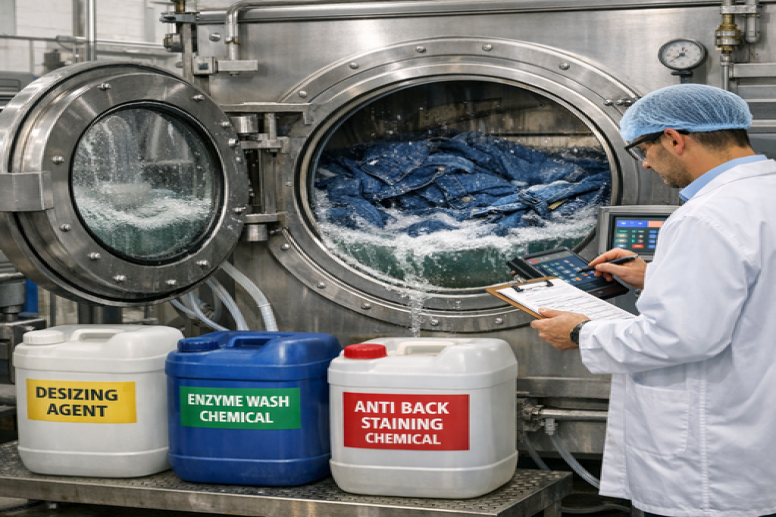
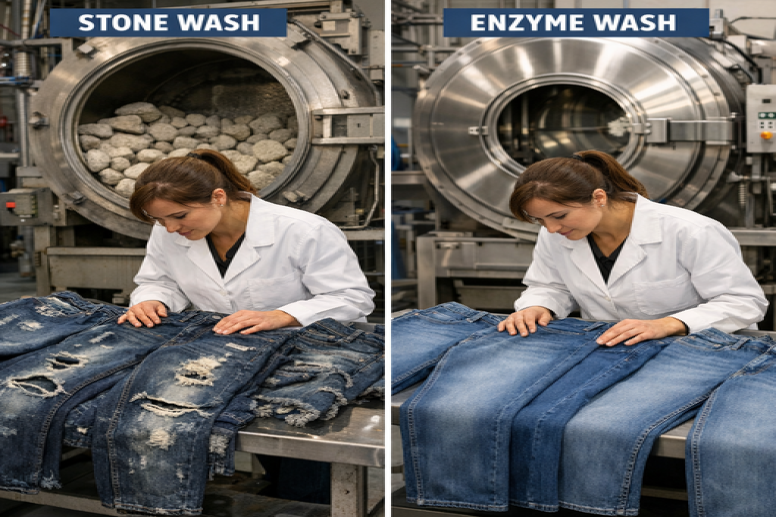
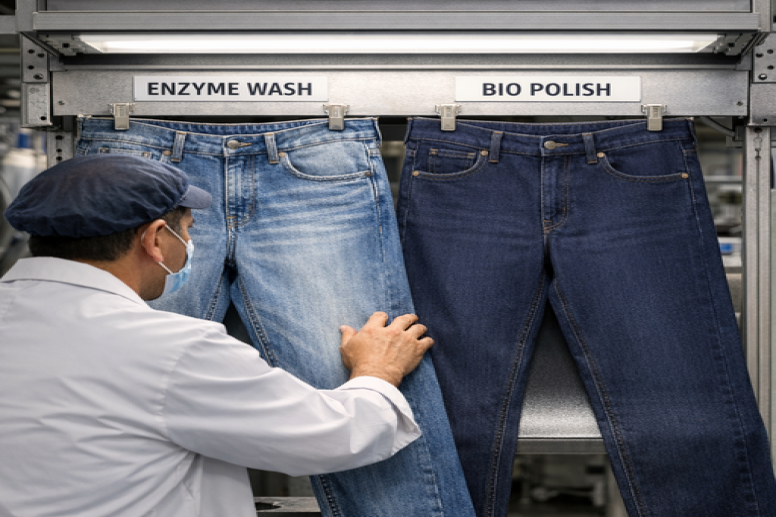
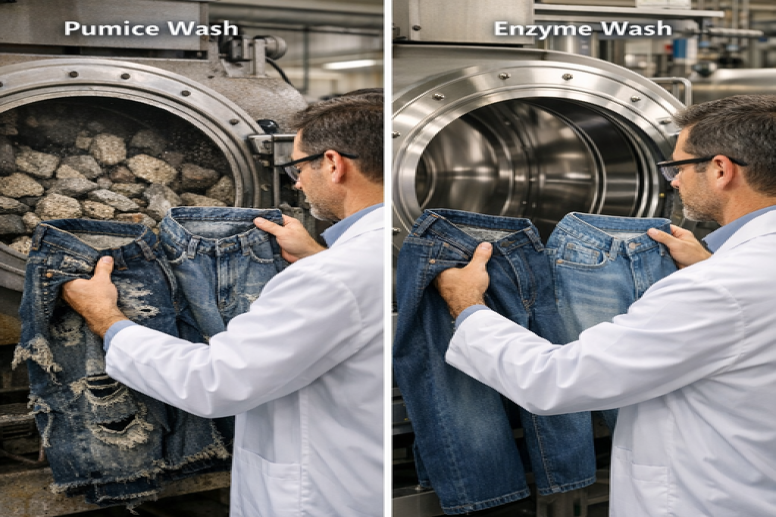
excessive dosage of denim enzyme wash chemical during enzyme treatment
unnecessary use of multiple washing stages
inefficient use of anti back staining chemical and other garment washing auxiliaries
poor process control resulting in repeated washing cycles
Chemical usage was not optimized for actual production conditions.
Chemical Solution
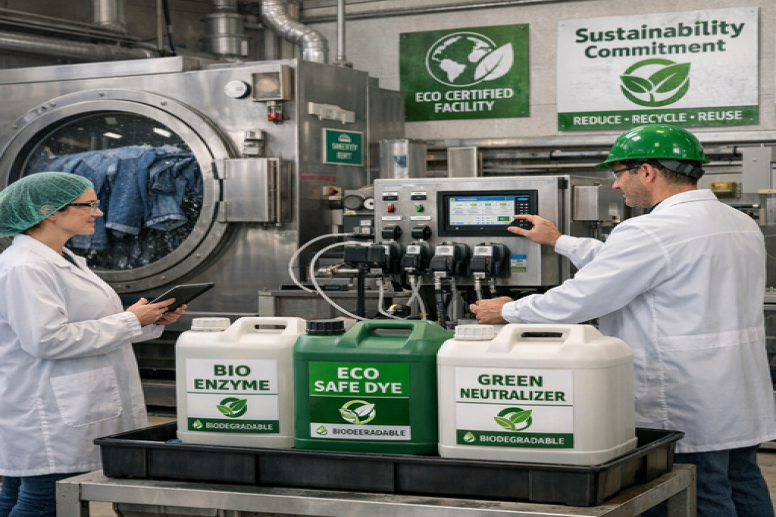
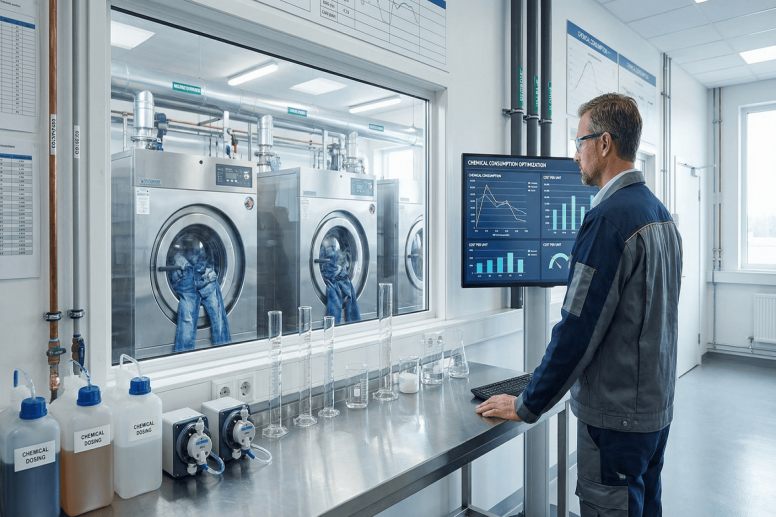
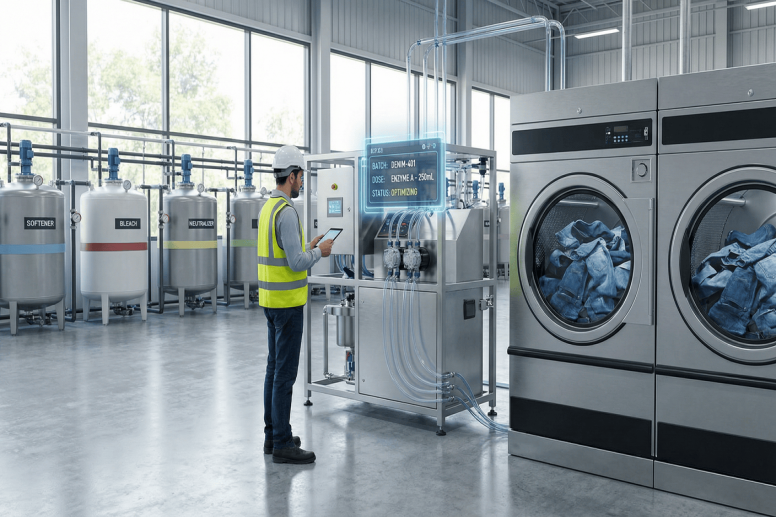
The factory introduced a controlled chemical optimization program.
The solution included:
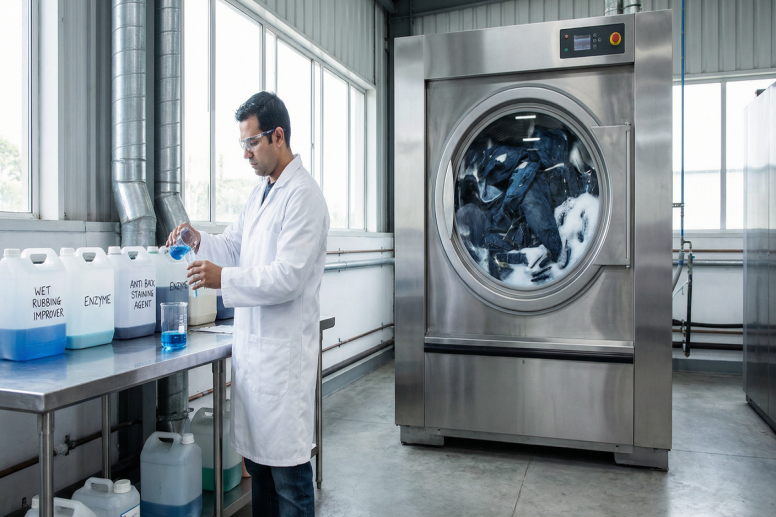
adjustment of denim enzyme wash chemical dosage for efficient enzyme performance
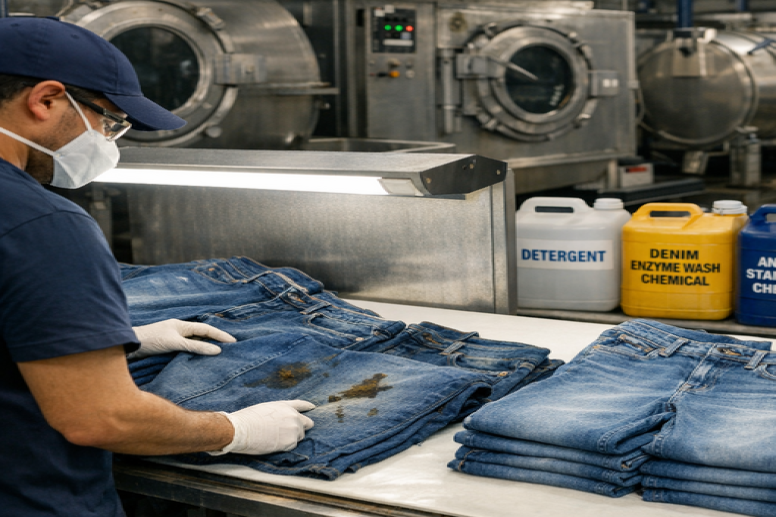
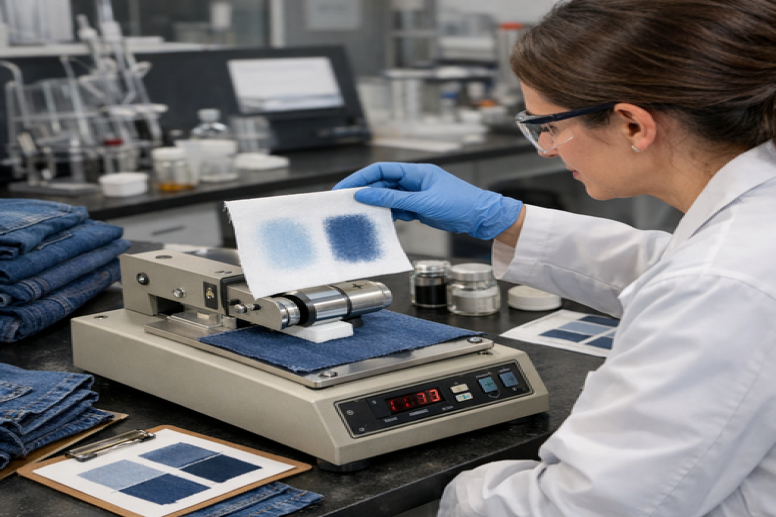
optimized use of anti back staining chemical to reduce washing defects
selection of high efficiency garment washing auxiliaries to reduce process steps
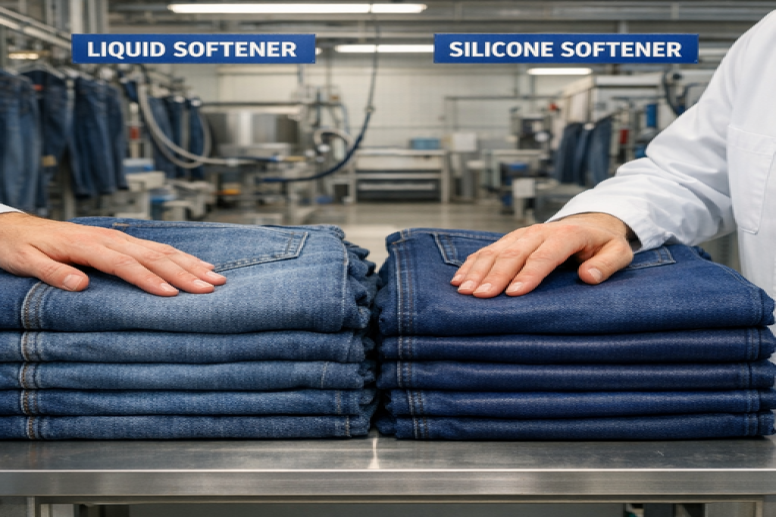
improved finishing process using concentrated denim softener chemical
These improvements reduced chemical consumption and shortened the washing process.
Dosage and Method
The factory implemented an optimized washing recipe for production.
Process parameters:
liquor ratio: 1:7
enzyme washing temperature: 50°C
washing time: 30 minutes
Chemical dosage:
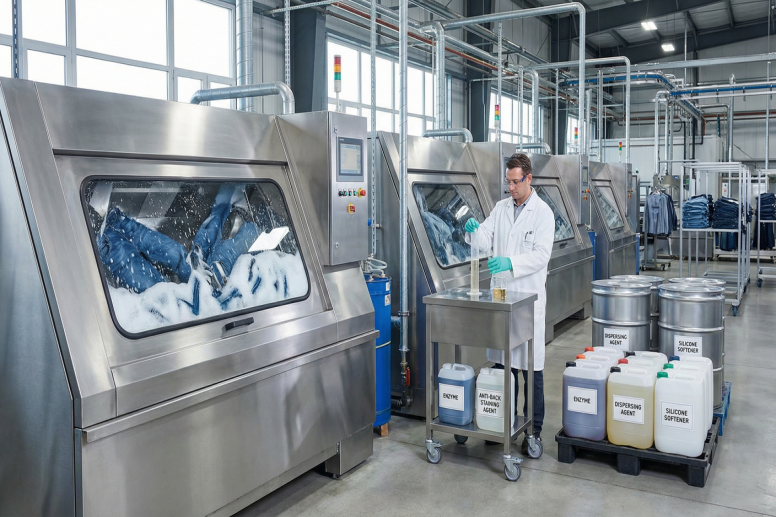
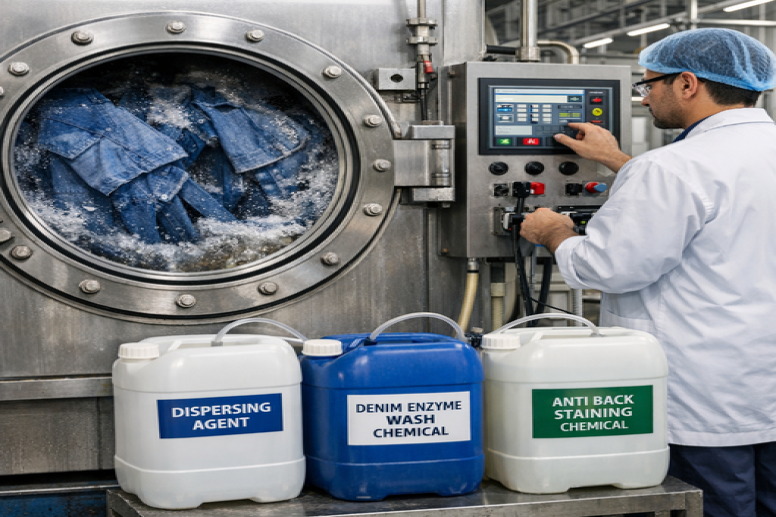
denim enzyme wash chemical: 0.6 to 0.8 g per liter
anti back staining chemical: 0.8 to 1.0 g per liter
dispersing agent: 0.4 g per liter
denim softener chemical: 1.5 to 2.0 g per liter
Process method:
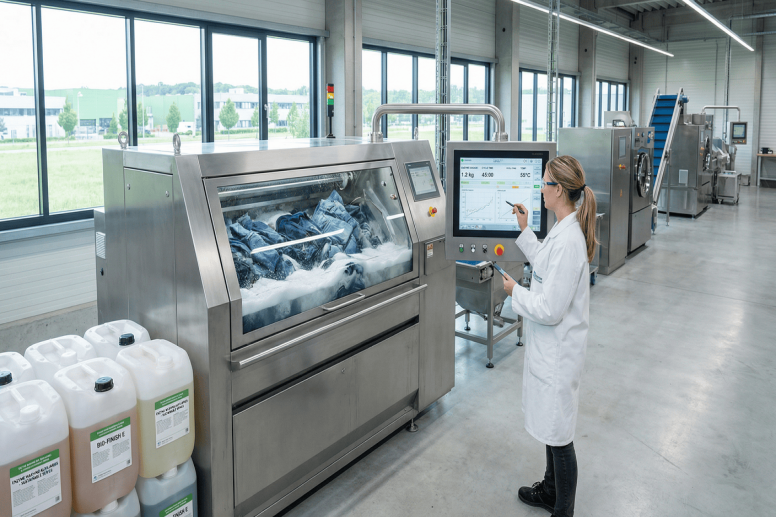
Load garments into industrial washing machine
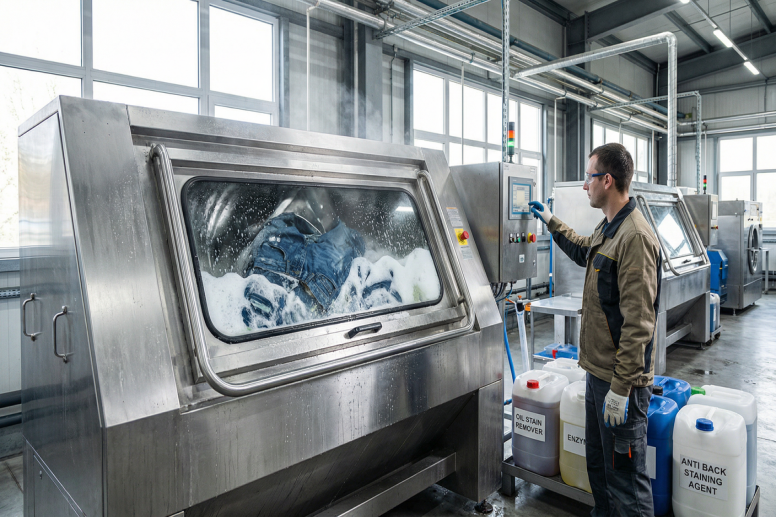
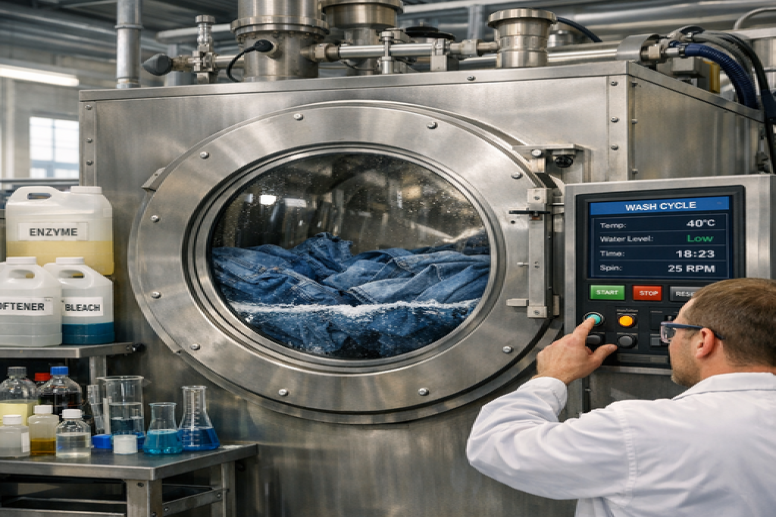
Perform desizing and enzyme washing stage with optimized chemical dosage
Add anti back staining chemical during enzyme washing
Reduce unnecessary rinsing cycles
Apply finishing treatment using denim softener chemical
Hydro extract and dry garments
Process simplification reduced water, chemical, and energy consumption.
Result in Production
After implementing the optimized washing system, the factory achieved significant cost savings.
Production results included:
washing cost reduced from 0.42 USD to 0.31 USD per garment
chemical consumption reduced by approximately 20 percent
washing cycle time reduced by 15 percent
improved production efficiency
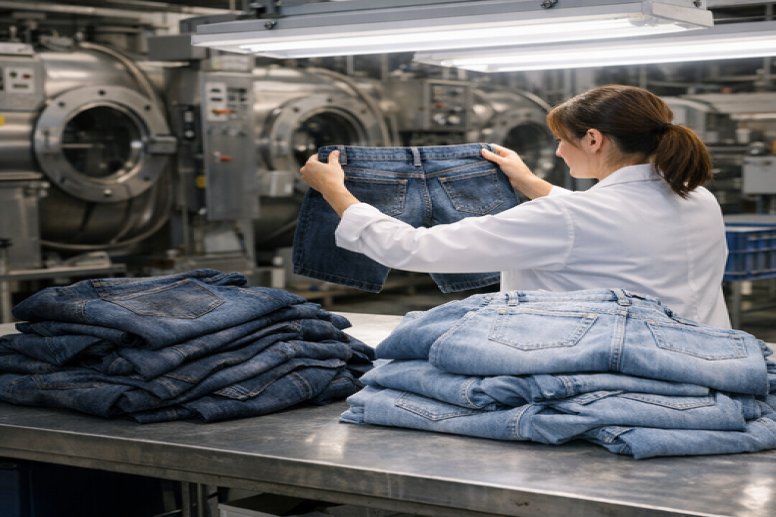
consistent garment quality maintained
The factory achieved stable production performance with improved profitability.
Conclusion
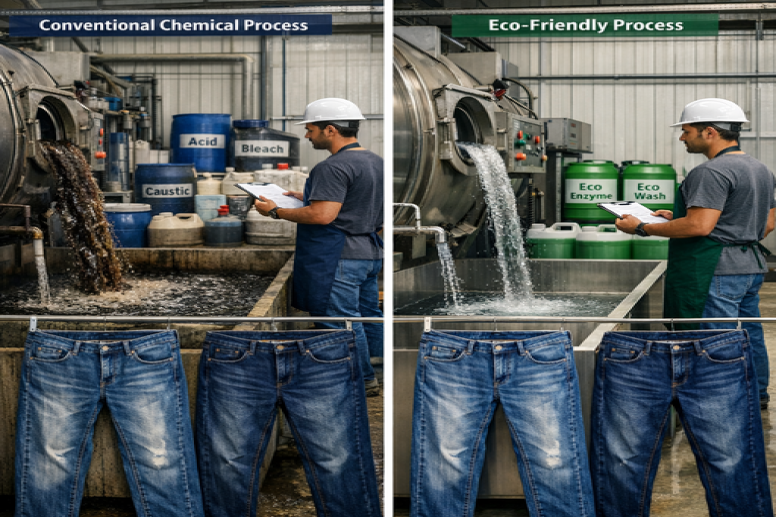
Cost reduction in denim washing process requires proper optimization of chemical dosage, washing parameters, and garment washing auxiliaries. Excessive chemical use and unnecessary washing stages increase production cost without improving quality.
Denim washing factories achieve better efficiency when garment washing auxiliaries such as denim enzyme wash chemical, anti back staining chemical, and denim softener chemical are applied with optimized dosage and process control.