18 Mar
Checklist Before Buying Textile Auxiliaries for Denim Washing
Follow this checklist before buying textile auxiliaries. Improve quality, reduce defects, and optimize garment washing auxiliaries in denim washing.
Checklist Before Buying Textile Auxiliaries
Buying textile auxiliaries without a clear checklist leads to inconsistent results, higher costs, and frequent reprocessing. Decision makers in washing factories need a structured approach to select the right chemicals for stable production.
This checklist helps you evaluate suppliers, control quality, and reduce risks in denim washing operations.
Why a Pre Purchase Checklist Is Critical
A proper evaluation process helps you:
reduce denim washing defects
control chemical consumption
avoid shade variation
improve batch consistency
ensure compliance with buyer standards
Without a checklist, factories face repeated indigo dye washing problems and unstable results in the enzyme wash process.
Technical Checklist Before Buying
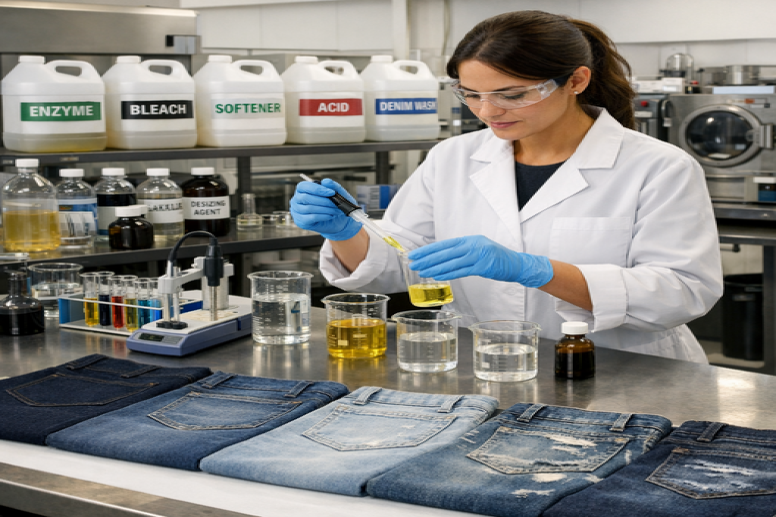
1. Product Performance Validation
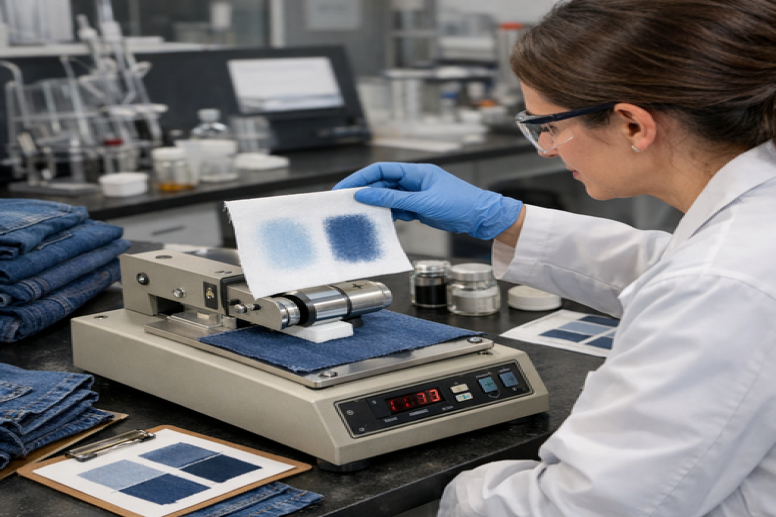
Confirm performance through trials.
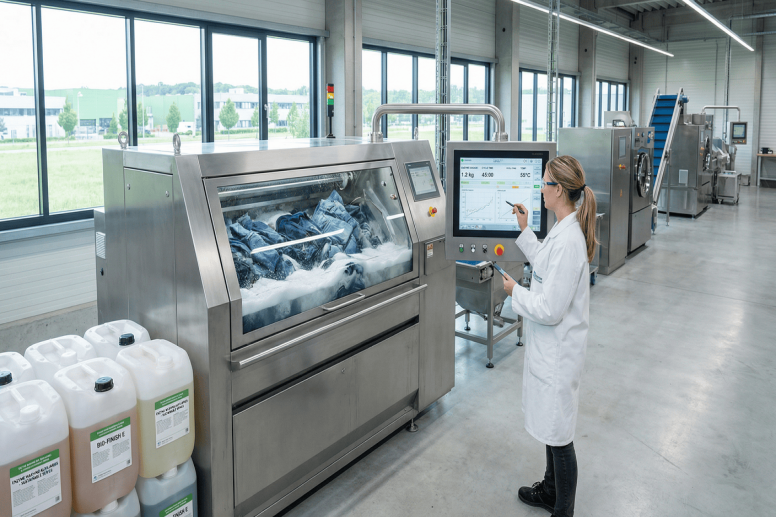
run lab test and bulk trial
evaluate fading, softness, and cleanliness
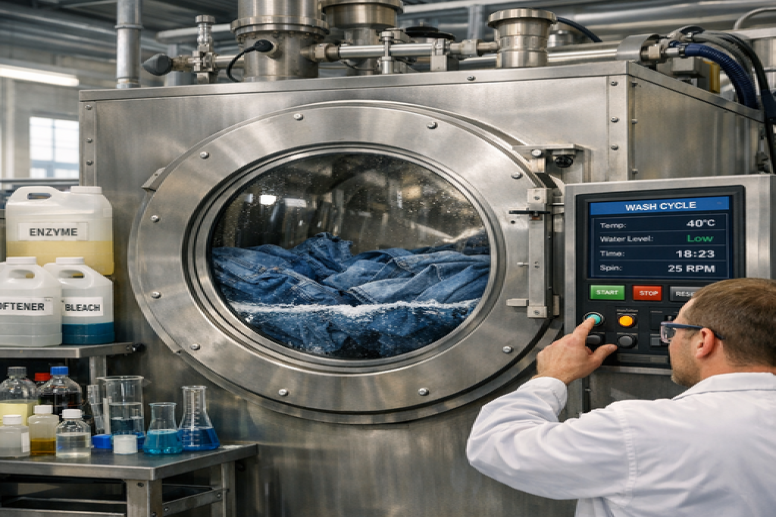
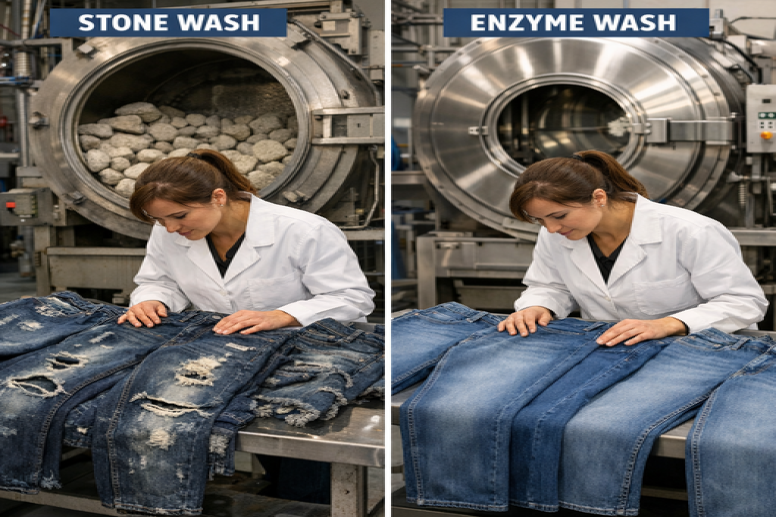
test denim enzyme wash chemical in real conditions
check compatibility with existing garment washing auxiliaries
Never approve based on lab data only.
2. Dosage Efficiency
Low dosage products reduce cost.
compare grams per liter usage
calculate cost per garment
evaluate performance at different dosages
Efficient products lower overall production cost.
3. Compatibility with Process
Ensure chemicals work with your setup.
compatible with machine type
stable at working temperature
suitable for your enzyme wash process
no negative reaction with other auxiliaries
Poor compatibility leads to process failure.
4. Anti Back Staining Performance
Back staining creates major quality issues.
test anti back staining chemical performance
check dye redeposition control
evaluate washing clarity
Strong performance reduces indigo dye washing problems.
5. Softness and Hand Feel
Softness defines final product value.
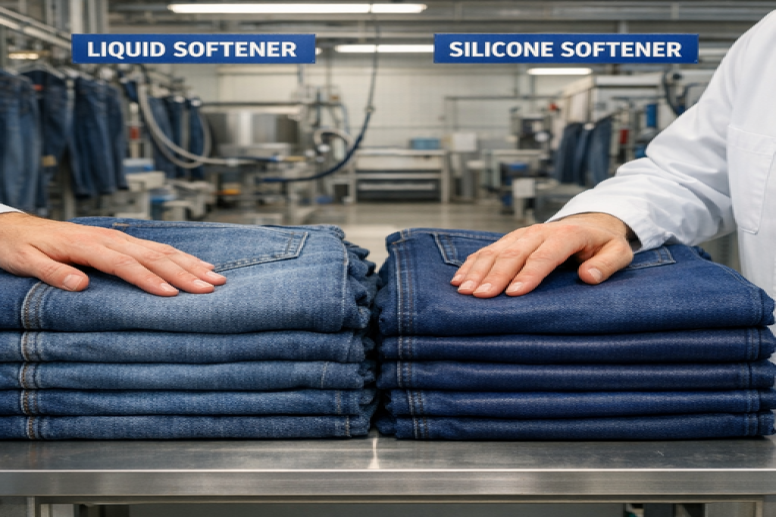
test denim softener chemical effect
compare silicone and non silicone options
check durability after washing
Consistent softness improves buyer satisfaction.
Quality and Compliance Checklist
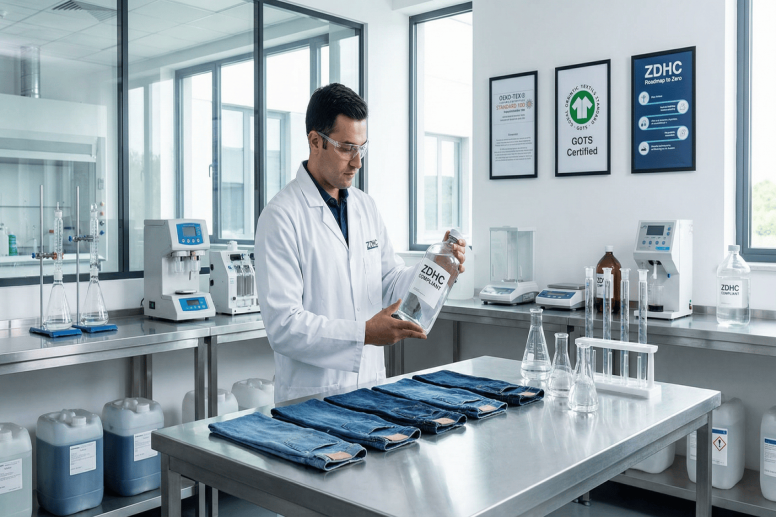
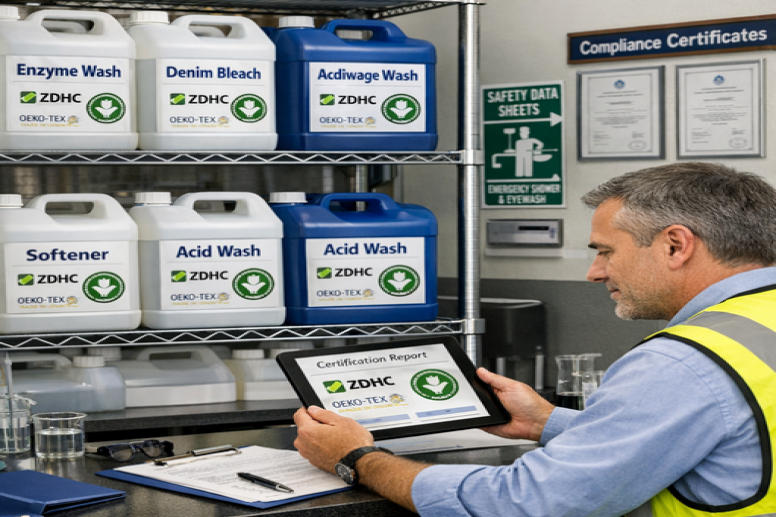
6. Certification and Compliance
Ensure global standard compliance.
ZDHC approval
OEKO TEX certification
REACH compliance
Non compliant chemicals create export risk.
7. Batch Consistency
Consistency ensures repeatable results.
check supplier quality control system
review batch variation history
request sample from multiple batches
Inconsistent supply increases defects.
Commercial Checklist
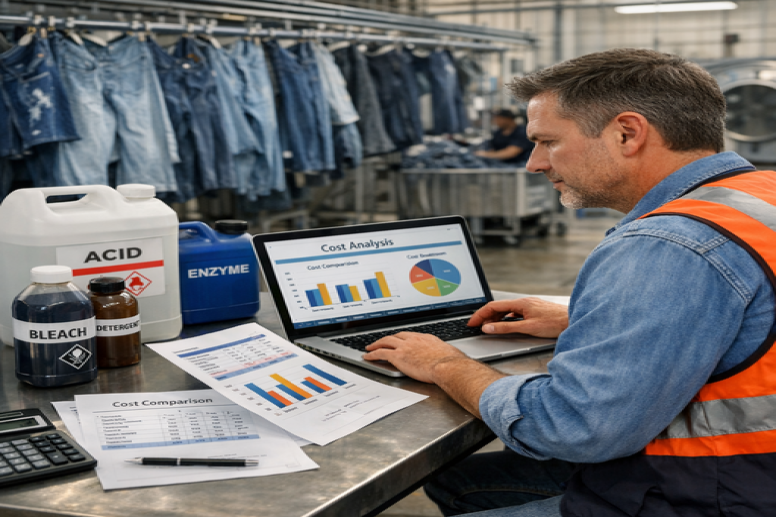
8. Cost Analysis
Focus on total cost, not price only.
chemical cost per kg
cost per garment
rewash impact
water and energy consumption
Lower price does not mean lower cost.
9. Supply Reliability
Ensure uninterrupted production.
delivery lead time
stock availability
local support
emergency supply capability
Supply delays stop production flow.
10. Technical Support
Strong support improves efficiency.
on site troubleshooting
recipe optimization
process training
quick response time
A supplier with support reduces downtime.
Red Flags Before Final Approval
Avoid suppliers with:
unstable trial results
poor documentation
no certification
delayed response
unclear dosage guidelines
These issues lead to higher denim washing defects and production loss.
Quick Decision Checklist
Before placing order, confirm:
bulk trial successful
dosage optimized
compatibility verified
compliance documents checked
cost per garment calculated
supplier support confirmed
This final check reduces risk and ensures smooth production.
Conclusion
A structured checklist before buying textile auxiliaries helps washing factories improve quality, control cost, and maintain consistency. Decision makers should evaluate performance, compliance, and supplier capability before approval.
This approach reduces denim washing defects, stabilizes the enzyme wash process, and controls indigo dye washing problems while improving overall production efficiency.