18 Mar
Denim Washing Chemical Quality Parameters
Learn key quality parameters of denim washing chemicals. Improve consistency, reduce defects, and optimize garment washing auxiliaries.
Quality Parameters of Denim Washing Chemicals
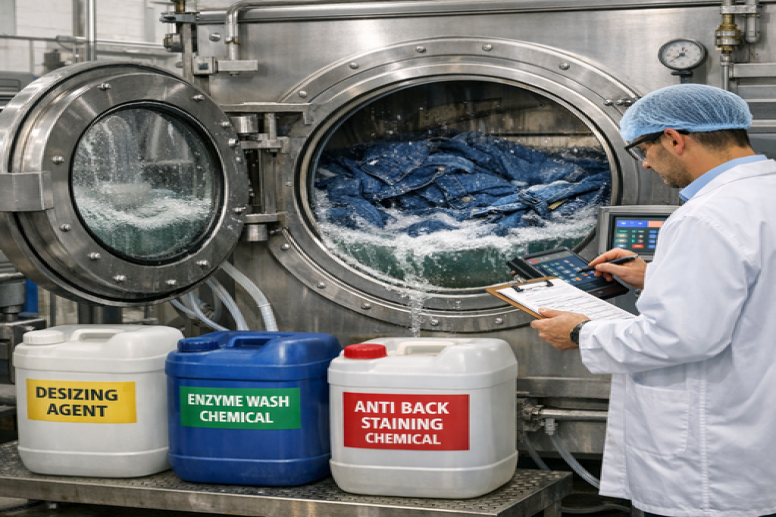
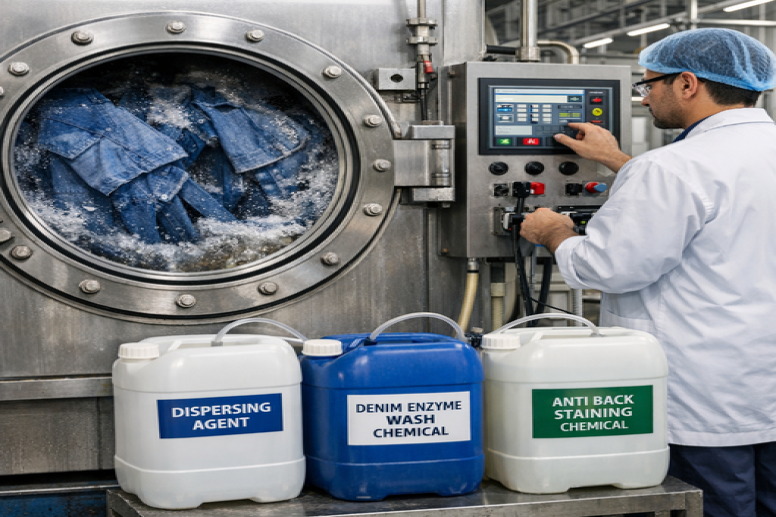
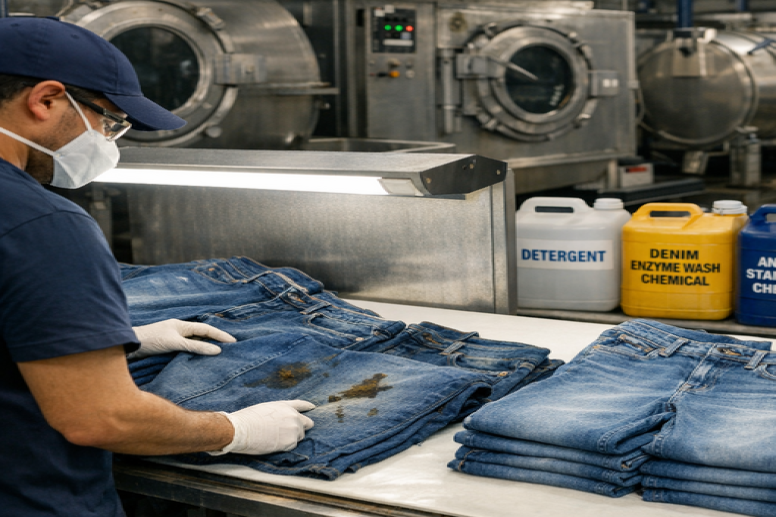
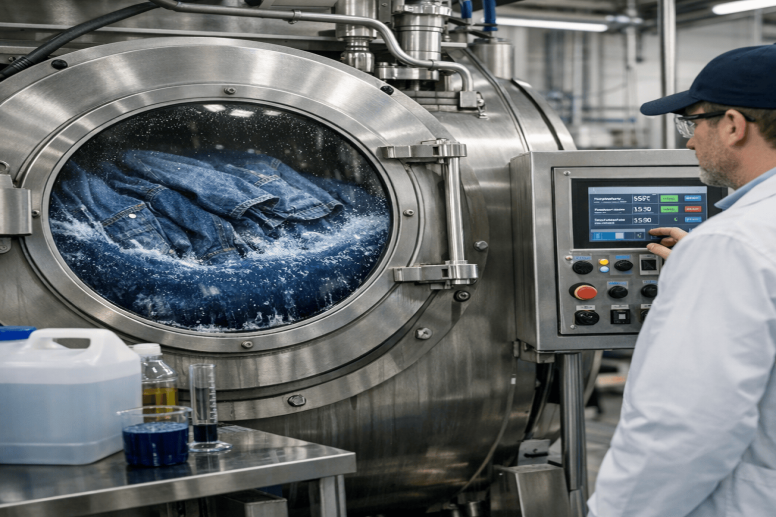
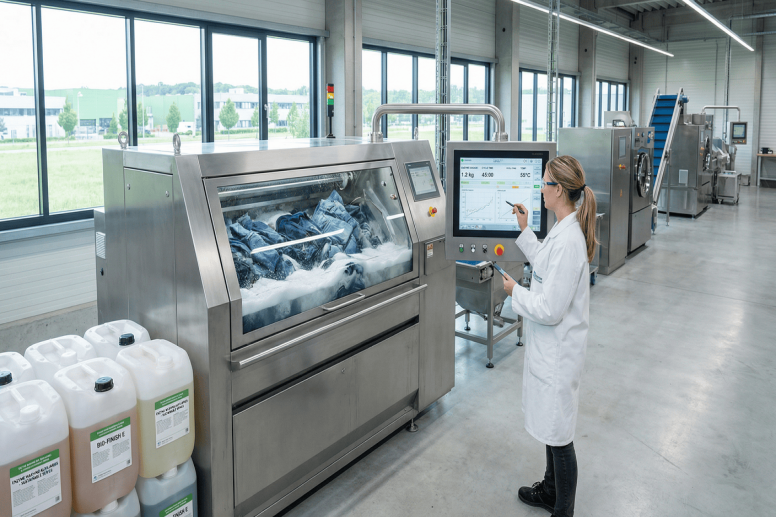
Chemical quality defines the final outcome in denim washing. Poor quality auxiliaries create shade variation, back staining, and repeated rewash. Decision makers must evaluate key quality parameters before approving any product.
A clear understanding of quality parameters of denim washing chemicals helps improve consistency, reduce defects, and control production cost.
Why Quality Parameters Matter
Strong quality control ensures:
consistent batch performance
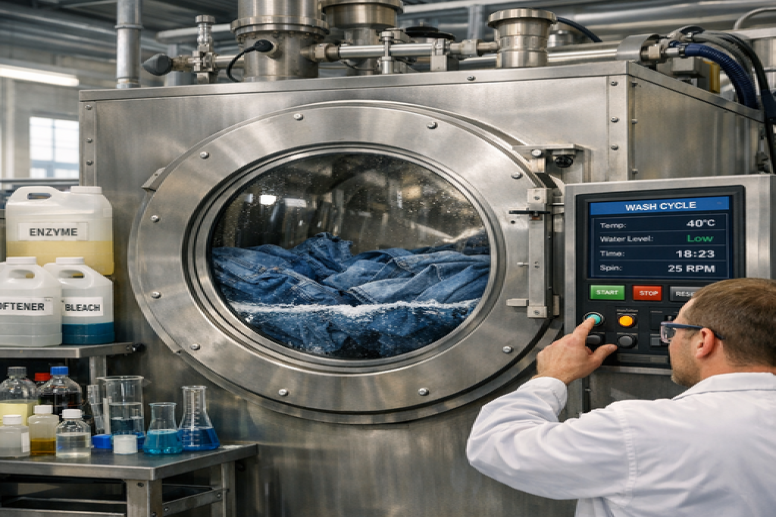
stable enzyme wash process
reduced denim washing defects
lower chemical consumption
better garment appearance
Ignoring quality parameters leads to frequent indigo dye washing problems and unstable production.
Key Quality Parameters to Evaluate
1. Active Content
Active content defines product strength.
higher active content means better efficiency
low active content increases dosage
affects cost per garment
Always compare active matter percentage between suppliers.
2. pH Value
pH affects chemical stability and performance.
enzyme wash chemicals require controlled pH
wrong pH reduces enzyme activity
impacts fabric and dye behavior
Check pH range for each chemical before use.
3. Solubility and Dispersion
Good solubility ensures uniform application.
fast dissolving chemicals improve mixing
poor solubility creates spots and uneven results
critical for garment washing auxiliaries
Uniform dispersion reduces process variation.
4. Compatibility with Other Chemicals
Chemicals must work together.
check interaction with detergents and enzymes
ensure compatibility with anti back staining chemical
avoid precipitation or instability
Poor compatibility leads to process failure.
5. Stability
Stable chemicals maintain performance over time.
check shelf life
evaluate storage condition impact
test stability at different temperatures
Unstable products create inconsistent results.
6. Foaming Behavior
Foam affects machine performance.
high foam reduces washing efficiency
low foam improves machine control
critical for high speed washing machines
Controlled foam improves productivity.
7. Performance Consistency
Consistency ensures repeatable results.
test multiple batches
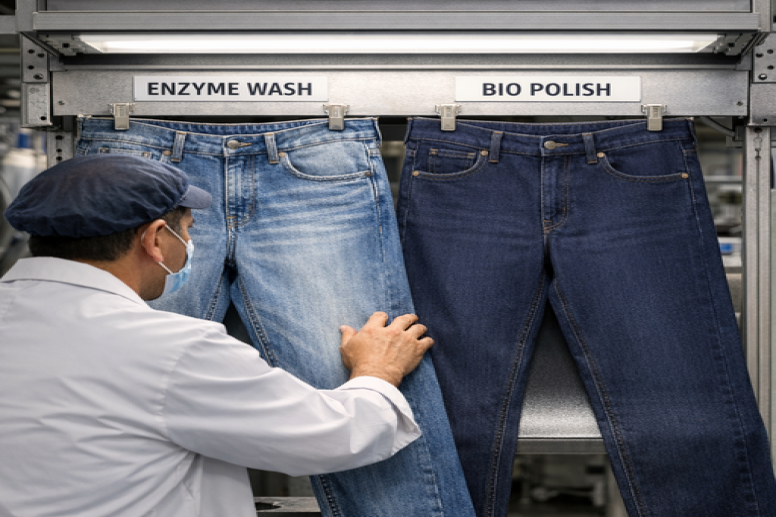
compare shade and softness results
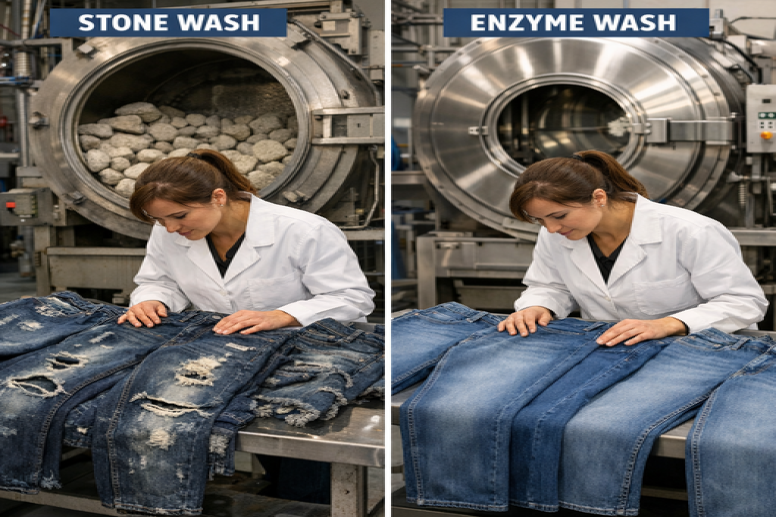
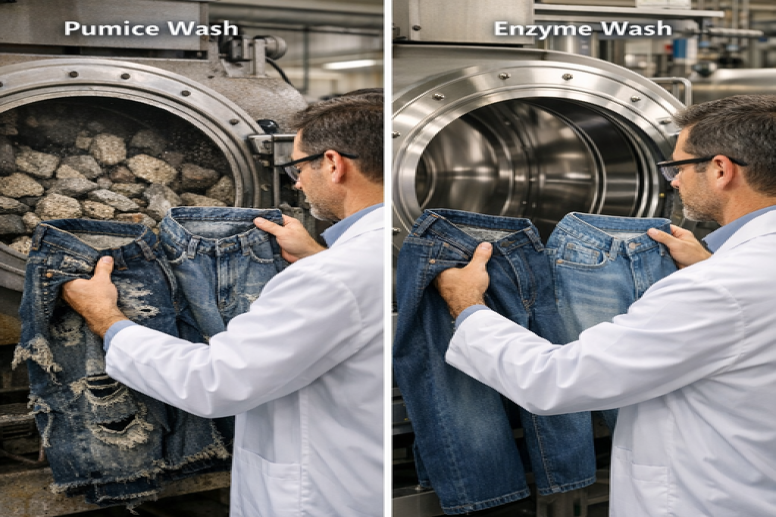
evaluate denim enzyme wash chemical behavior
Consistent chemicals reduce rewash rate.
8. Back Staining Control
Back staining affects final quality.
evaluate anti back staining chemical efficiency
check dye redeposition control
test washing clarity
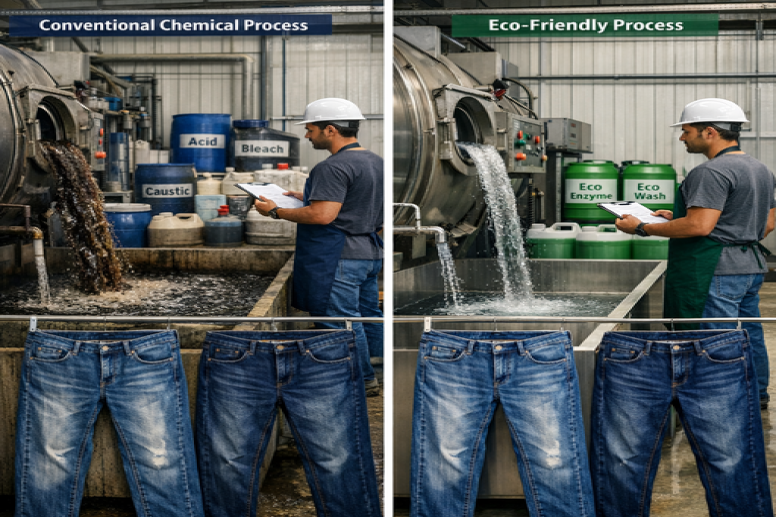
Strong performance reduces indigo dye washing problems.
9. Softness Performance
Softness defines garment value.
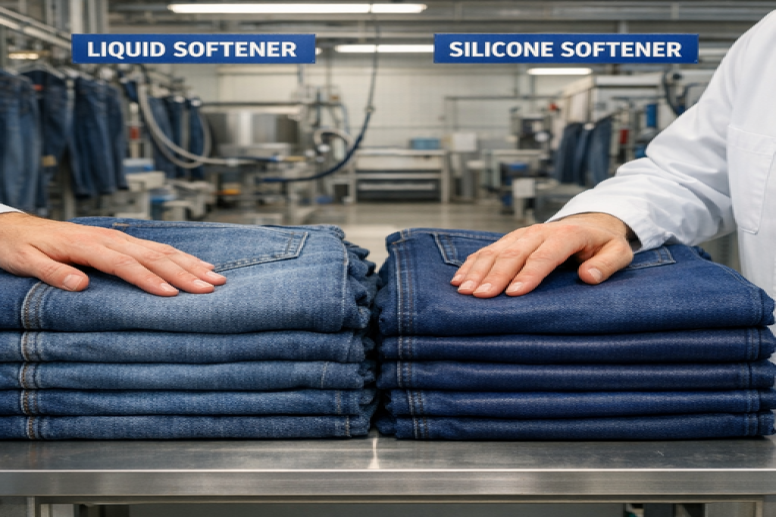
test denim softener chemical effect
check smoothness and hand feel
evaluate durability after washing
Stable softness improves customer satisfaction.
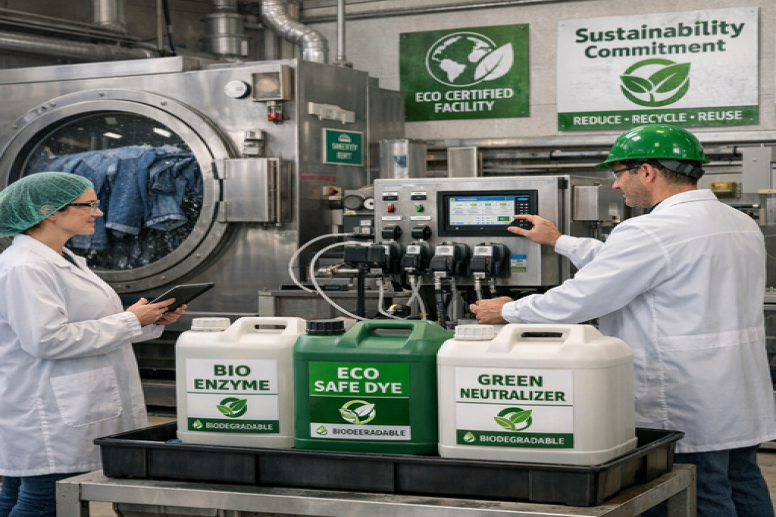
10. Environmental and Compliance Parameters
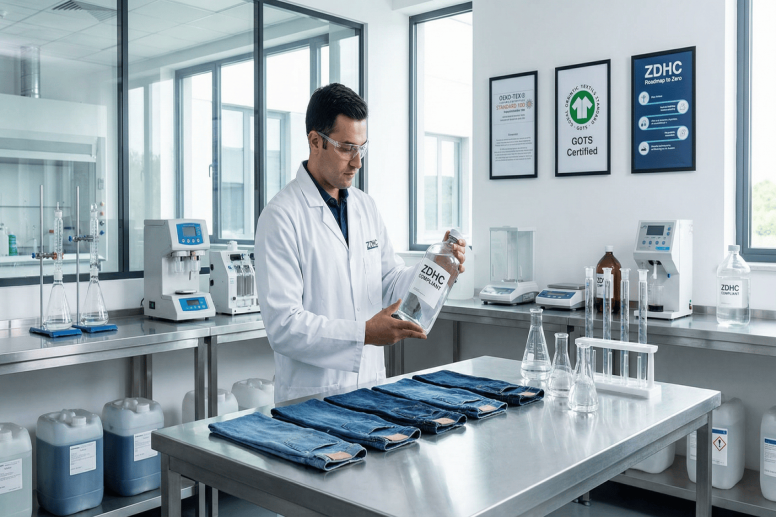
Compliance is mandatory for export.
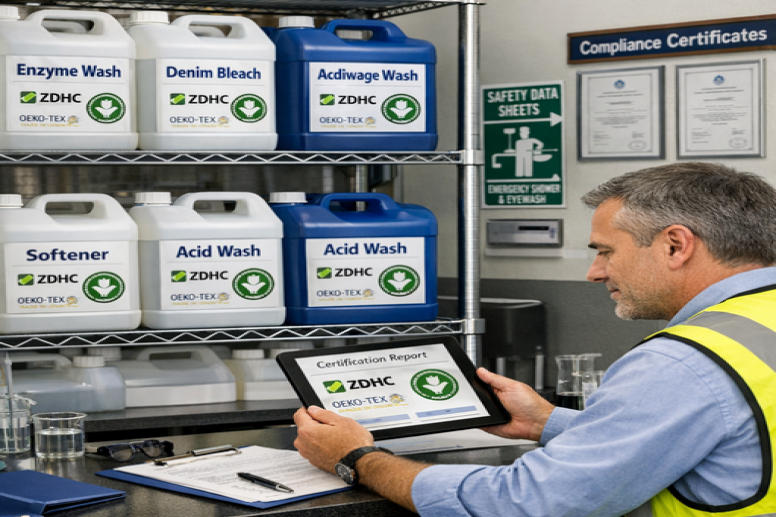
ZDHC compliance
OEKO TEX certification
REACH standards
Non compliant chemicals create shipment risk.
Testing Methods for Quality Evaluation
Factories should follow structured testing:
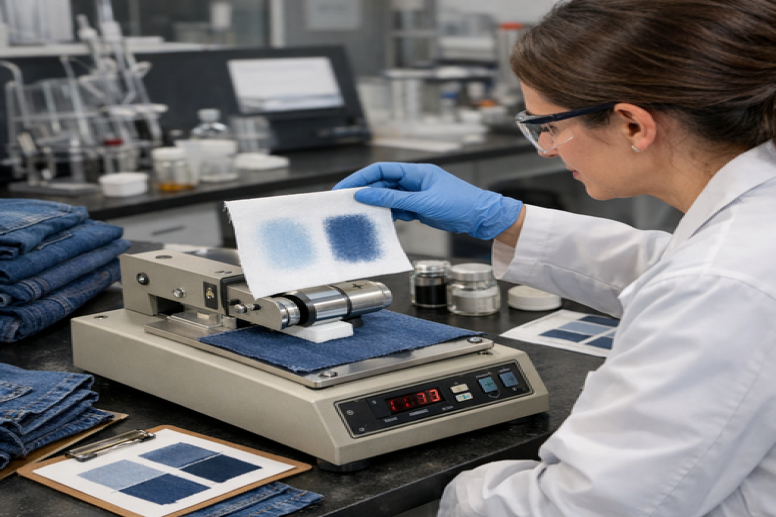
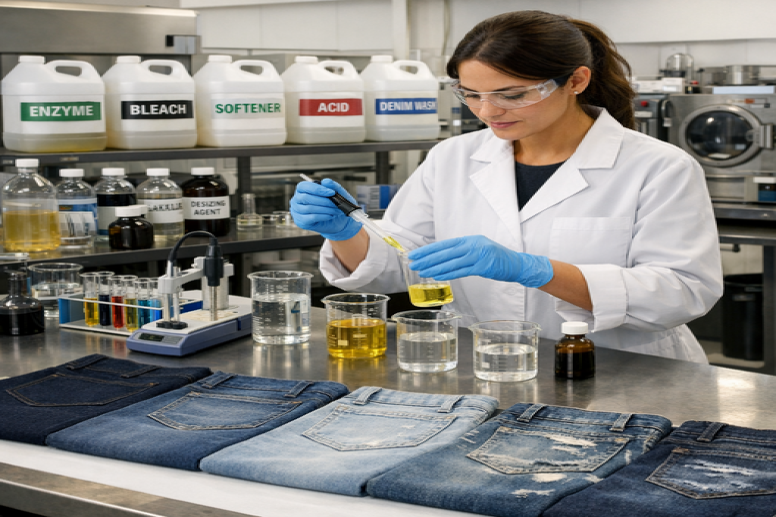
lab testing for initial screening
pilot trials for process validation
bulk trials for real performance
comparison with existing chemicals
Testing ensures accurate evaluation before approval.
Common Problems Due to Poor Quality Chemicals
Low quality auxiliaries lead to:
uneven fading
excessive back staining
harsh fabric feel
higher rewash rate
increased chemical consumption
These issues increase cost and reduce productivity.
Practical Tips for Decision Makers
always request technical data sheet
compare active content and dosage
test in actual production conditions
evaluate cost per garment
select suppliers with strong quality control
These steps improve decision accuracy.
Conclusion
Understanding quality parameters of denim washing chemicals helps factories achieve stable production, better quality, and lower cost. Decision makers should focus on active content, stability, compatibility, and compliance before selecting any product.
This approach reduces denim washing defects, improves enzyme wash process stability, and controls indigo dye washing problems while ensuring consistent garment quality.