11 Mar
ZDHC Approved Chemicals in Knit Dyeing Process
Learn how ZDHC approved textile chemicals help knit dyeing mills meet MRSL compliance and support sustainable textile manufacturing.
ZDHC Approved Chemicals in Knit Dyeing
Global apparel brands demand safer chemical management across textile supply chains. Knit dyeing mills face strict environmental and chemical compliance requirements during fabric processing.
ZDHC approved chemicals help dyeing mills meet international environmental standards while maintaining dyeing performance. These chemicals follow strict guidelines under the program developed by Zero Discharge of Hazardous Chemicals Foundation.
Textile engineers adopt ZDHC compliant auxiliaries to reduce hazardous chemical discharge and ensure responsible manufacturing.
What Is the ZDHC Program
The ZDHC program aims to eliminate hazardous chemicals from textile and footwear production. The initiative promotes safe chemical management across global textile supply chains.
The ZDHC framework includes
Restricted chemical lists for manufacturing
Chemical formulation guidelines
Wastewater quality standards
Supplier transparency requirements
These guidelines help textile mills improve environmental performance.
ZDHC MRSL Concept
A key component of the program involves the Manufacturing Restricted Substances List. The list defines chemical substances restricted during textile production.
The MRSL standard developed by Zero Discharge of Hazardous Chemicals Foundation controls hazardous substances at the chemical formulation stage rather than the finished product stage.
This approach prevents hazardous chemicals from entering textile processing systems.
Importance in Knit Dyeing Mills
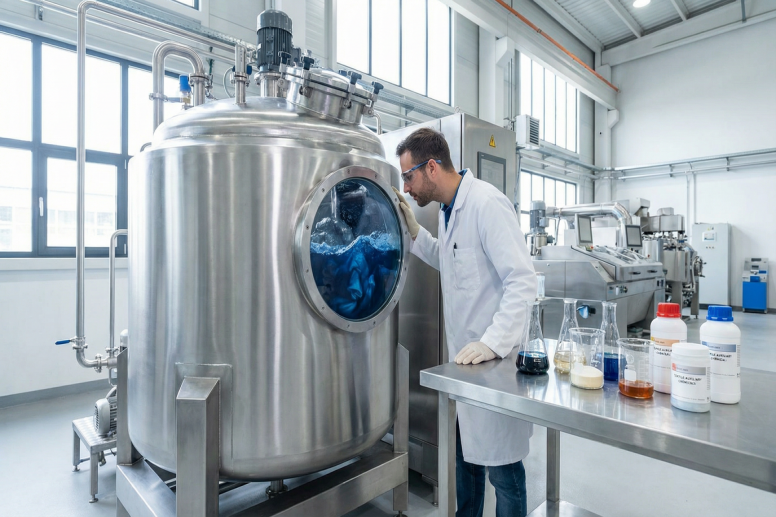
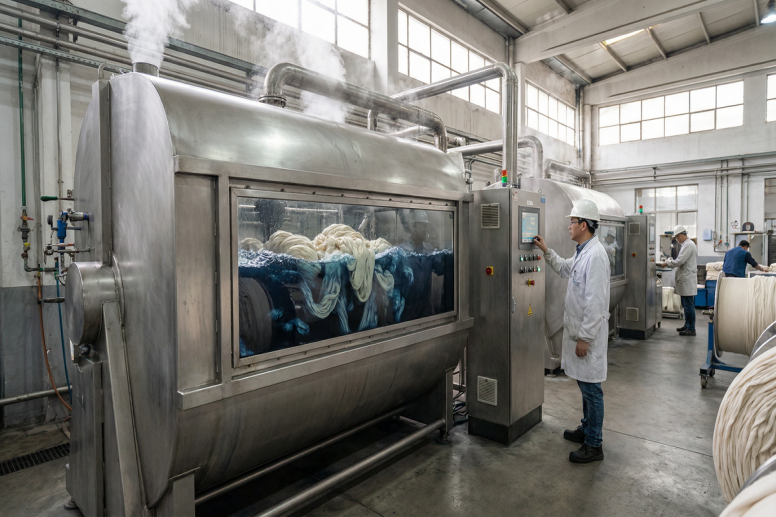
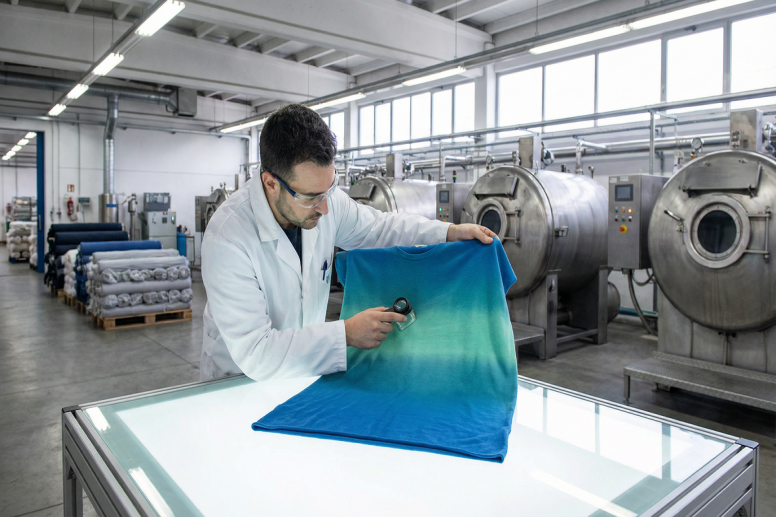
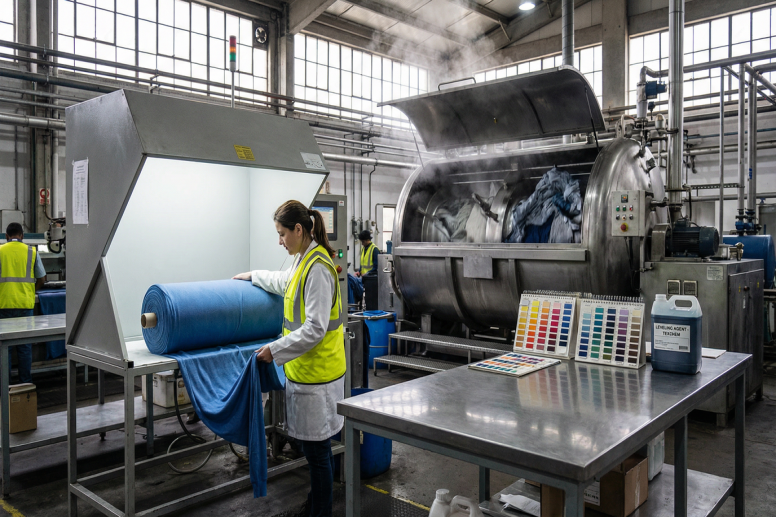
Knit dyeing operations involve several chemical processes including pretreatment, dyeing, and finishing. Many traditional chemicals used in these processes contain substances restricted by international brands.
Using ZDHC approved chemicals helps dyeing mills
meet buyer compliance requirements
reduce environmental pollution
improve wastewater quality
support sustainable textile production
These advantages strengthen business relationships with global apparel brands.
Textile Auxiliaries Covered Under ZDHC Compliance
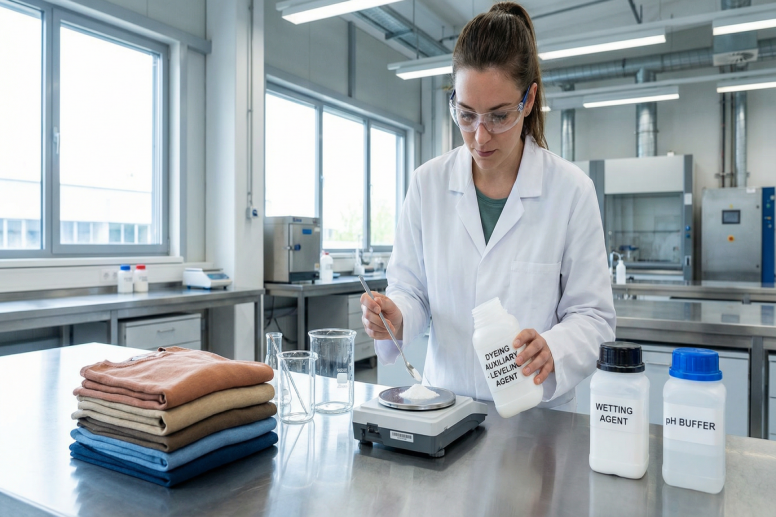
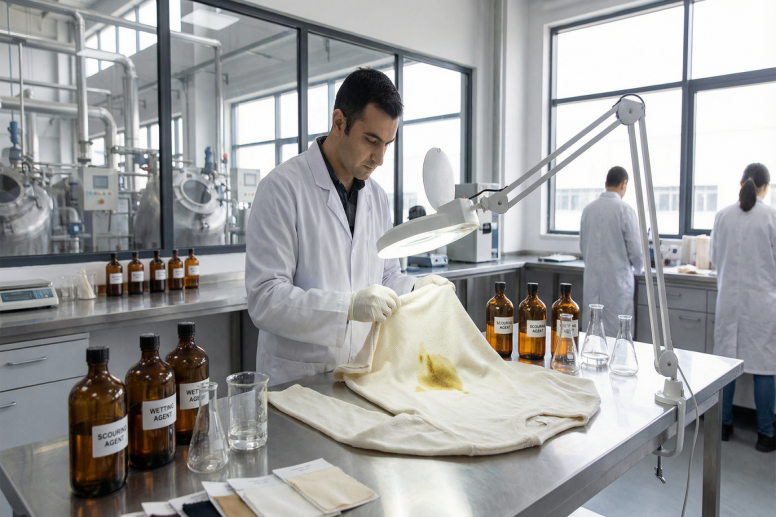
Many textile auxiliaries used in knit dyeing require MRSL compliance.
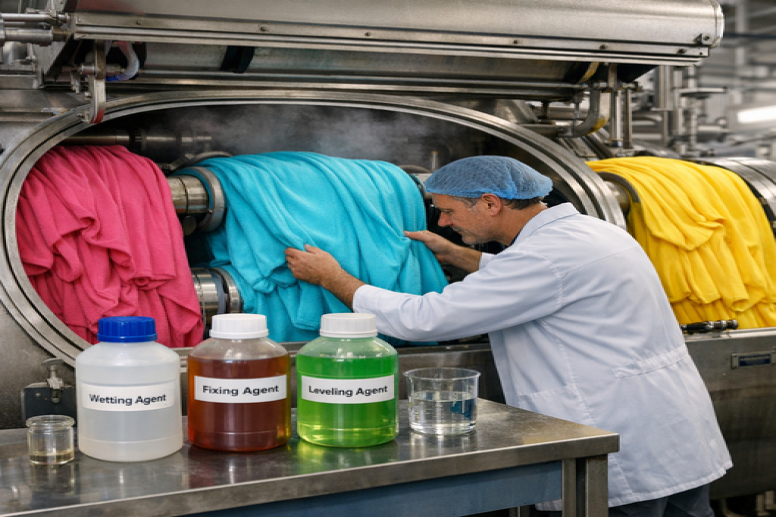
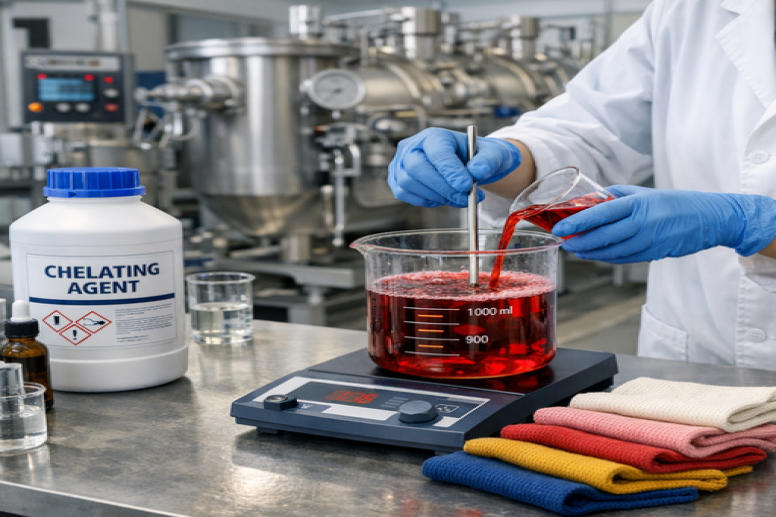
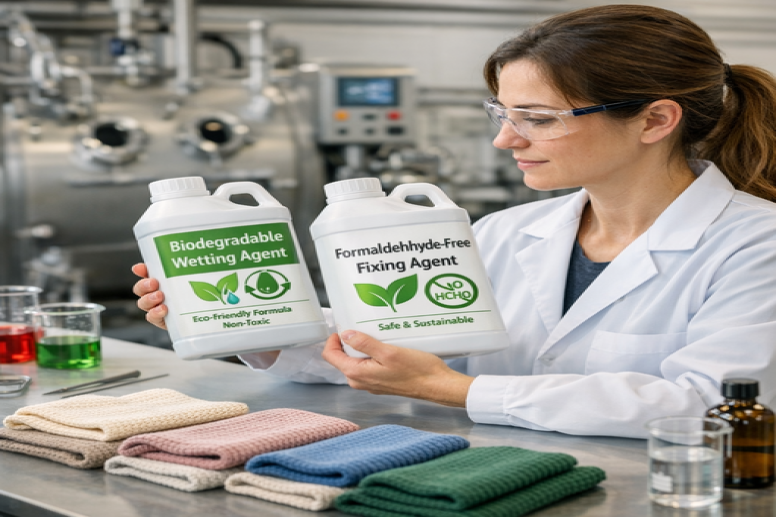
Common auxiliary categories include
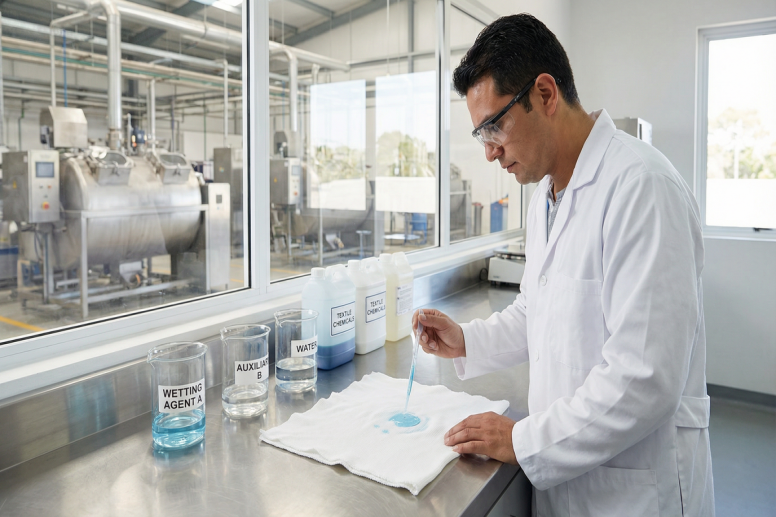
wetting agents
leveling agents
sequestering agents
dispersing agents
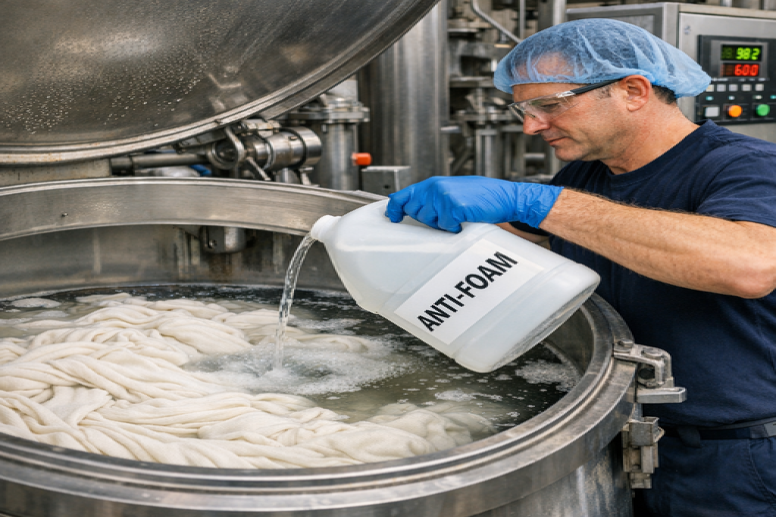
anti foaming agents
fixing agents
Manufacturers develop ZDHC approved formulations by removing restricted chemical substances.
Certification and Chemical Verification
Chemical suppliers must verify their formulations through independent certification programs.
One widely used verification system involves the ZDHC chemical gateway platform managed by Zero Discharge of Hazardous Chemicals Foundation.
Chemical suppliers upload verified formulations to this platform. Textile mills check chemical compliance status before purchasing auxiliaries.
This system increases supply chain transparency.
Benefits for Textile Engineers
ZDHC approved chemicals provide both technical and environmental benefits in dyeing operations.
Key advantages include
improved chemical safety for operators
reduced hazardous wastewater discharge
easier compliance with brand requirements
improved international market acceptance
These factors strengthen long term sustainability strategies in dyeing mills.
Integration with Other Sustainability Standards
Many ZDHC approved chemicals also meet other international standards.
Common aligned standards include
OEKO-TEX chemical safety guidelines
Global Organic Textile Standard environmental processing requirements
This alignment helps textile mills maintain multiple certifications with fewer compliance challenges.
Engineering Practices for ZDHC Chemical Management
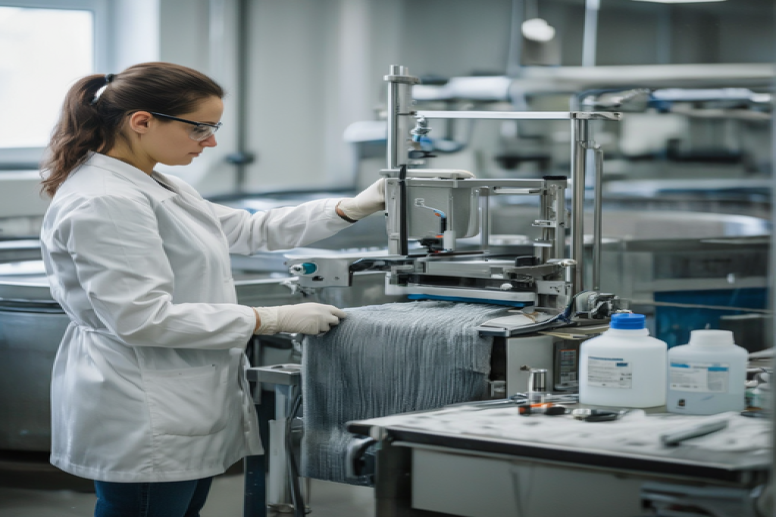
Textile engineers play a key role in chemical compliance implementation.
Important practices include
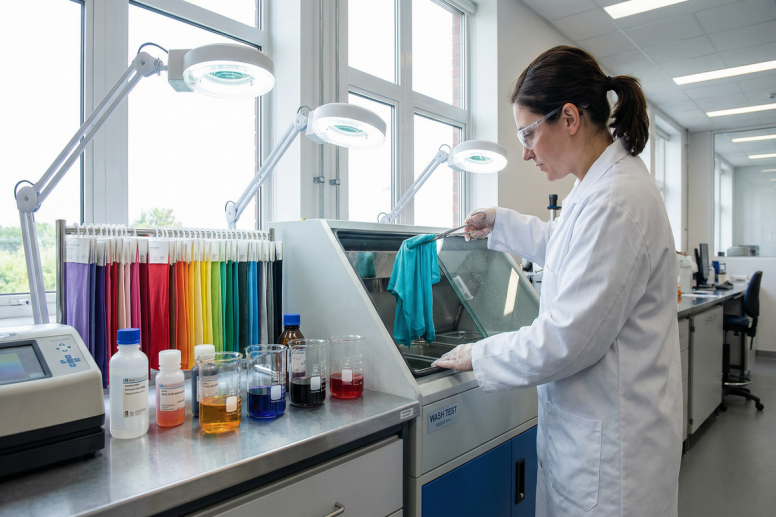
selection of MRSL compliant auxiliaries
verification of chemical supplier certifications
documentation of chemical inventory
monitoring wastewater parameters
These practices support sustainable dyeing operations.
Conclusion
ZDHC approved chemicals support safe and responsible textile dyeing operations. By following MRSL guidelines developed by the Zero Discharge of Hazardous Chemicals Foundation, knit dyeing mills reduce hazardous chemical discharge and improve environmental performance.
Textile engineers who adopt compliant auxiliaries strengthen production sustainability, maintain international brand compliance, and support long term textile industry responsibility.