10 Mar
How Textile Auxiliaries Reduce Dyeing Cost in Knit Fabrics
Learn how textile auxiliaries help reduce knit dyeing costs by improving dye efficiency, minimizing defects, saving water and energy, and protecting fabrics.
How Textile Auxiliaries Reduce Dyeing Cost
Textile dyeing is a high-cost operation due to water, energy, and chemical consumption. Inefficient chemical use and low dye uptake increase production costs.
Textile auxiliaries help reduce dyeing cost by improving chemical efficiency, minimizing dye wastage, and enhancing process stability. Proper auxiliary selection allows mills to produce high-quality knit fabrics with lower resource consumption.
Role of Textile Auxiliaries in Cost Reduction
Auxiliaries perform essential functions during dyeing, pretreatment, and finishing. These functions directly impact cost efficiency:
Improved Dye Utilization
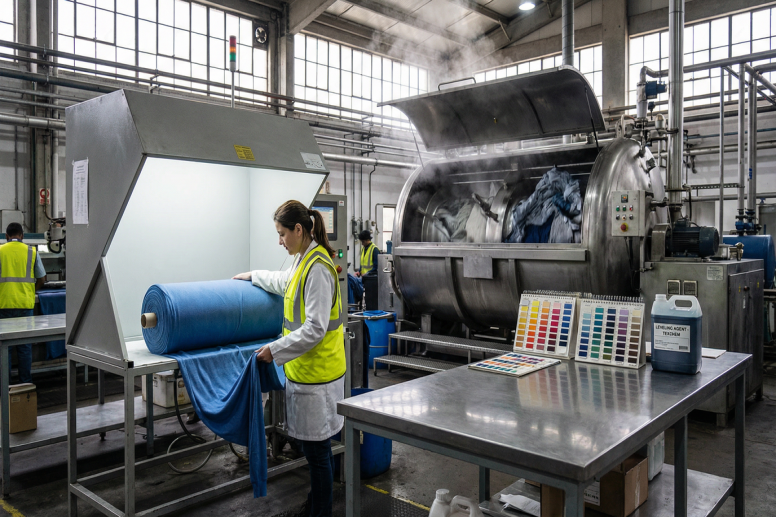
Leveling agents, wetting agents, and sequestering agents enhance dye absorption and fixation. Higher dye uptake reduces the need for additional dye and lowers overall consumption.
Reduced Reprocessing
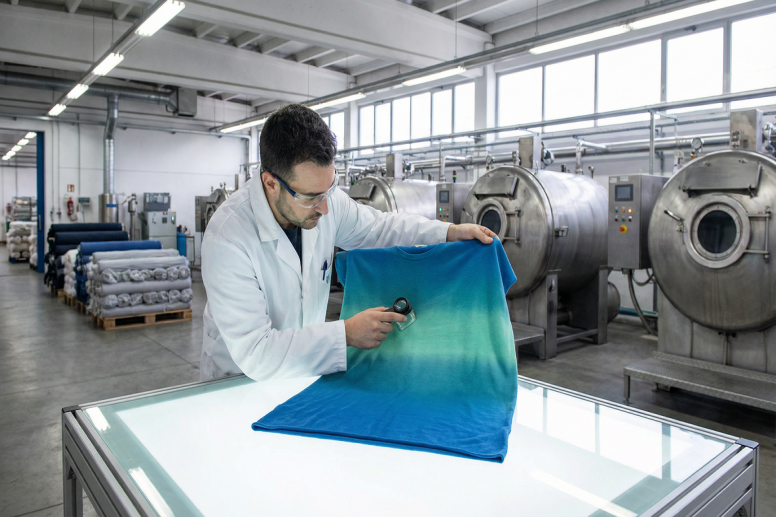
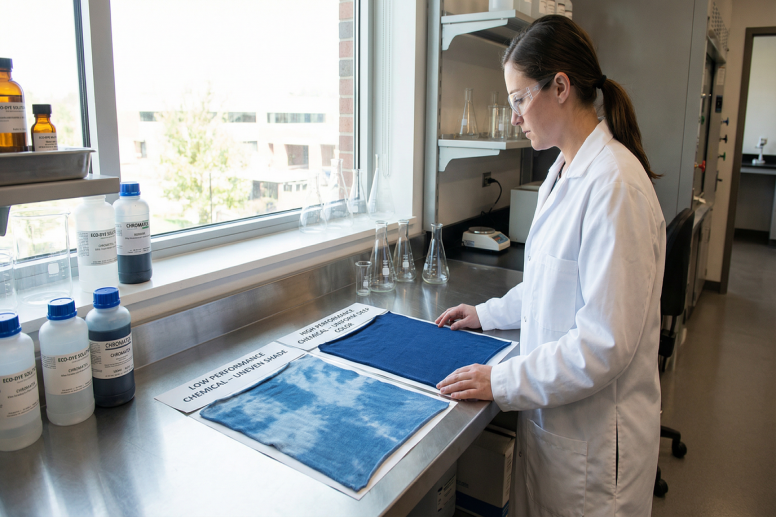
Auxiliaries prevent common defects such as uneven dyeing, shade variation, foam formation, and creasing. Fewer defects mean lower reprocessing and reduced labor cost.
Water and Energy Savings
Efficient chemicals improve fiber wettability and dye migration. Faster and uniform dyeing reduces processing time, water usage, and energy consumption.
Reduced Fabric Damage
Anti-creasing and anti-foam agents protect knit fabrics during wet processing. Minimizing mechanical damage reduces fabric rejection and replacement costs.
Stable Process Control
Sequestering agents and anti-foam chemicals maintain stable dye bath conditions. Stable processes reduce chemical wastage, minimize trial batches, and save raw material costs.
Examples of Cost-Saving Textile Auxiliaries
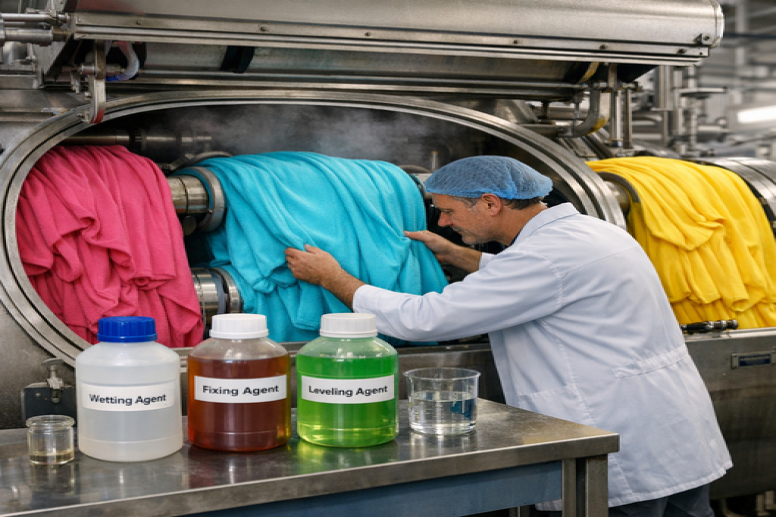
Wetting agents improve fiber wettability, which reduces uneven dyeing and minimizes dye wastage.Leveling agents control dye migration, resulting in more uniform shades and fewer re-dyeing requirements.
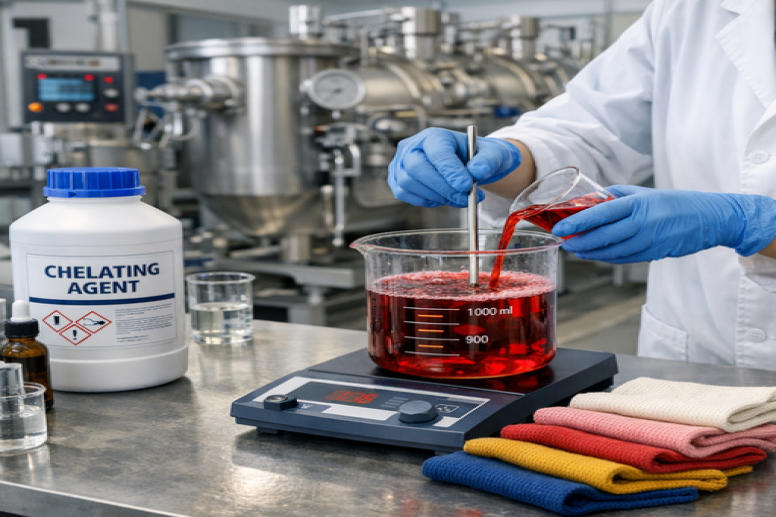
Sequestering agents bind metal ions, preventing dye precipitation and saving on dye consumption.
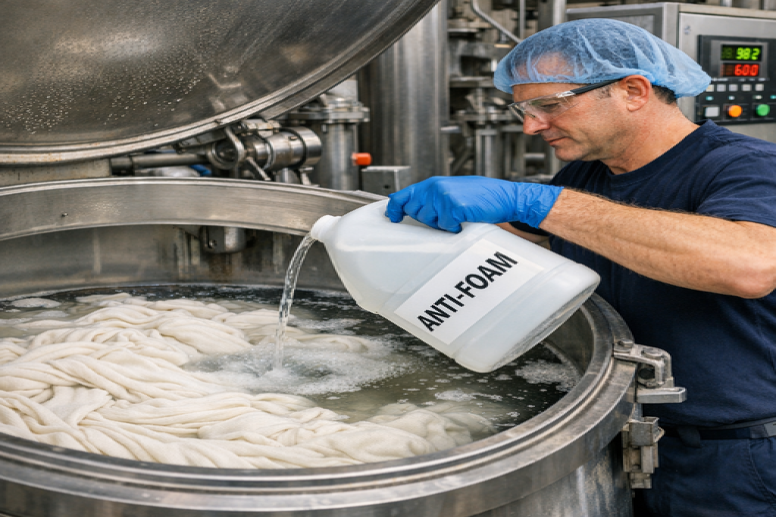
Anti-foam agents reduce foam formation, which lowers chemical overflow and prevents material loss.
Anti-creasing agents reduce fabric friction and folding during dyeing, thereby decreasing fabric rejection and reprocessing costs.
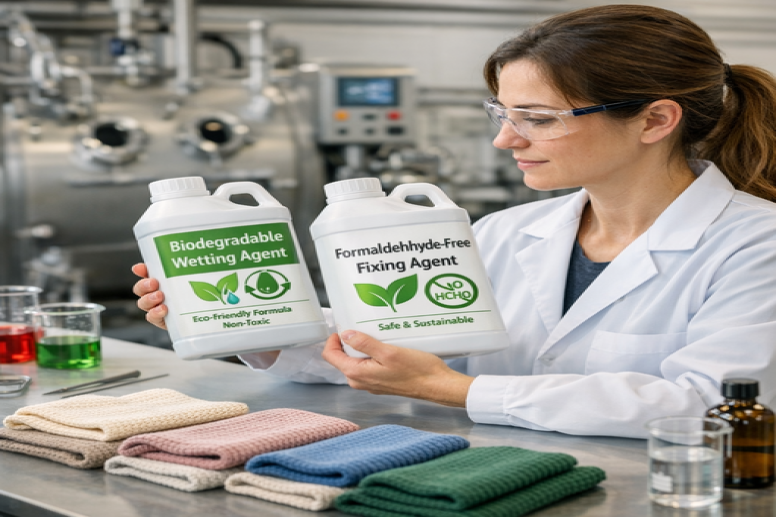
Fixing agents enhance dye fixation, maximizing color yield and minimizing losses throughout the dyeing process.
Process Tips to Maximize Cost Savings
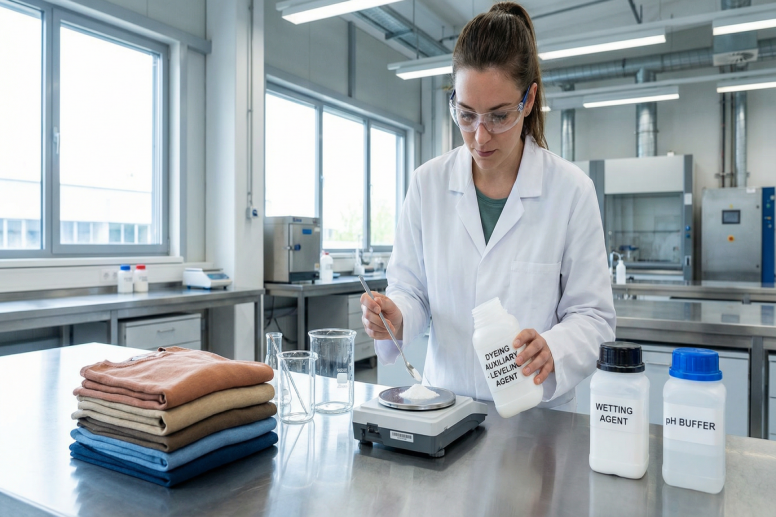
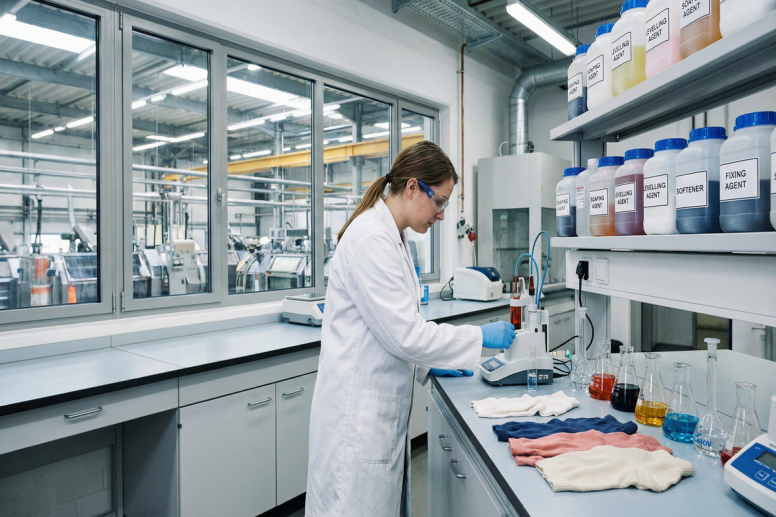
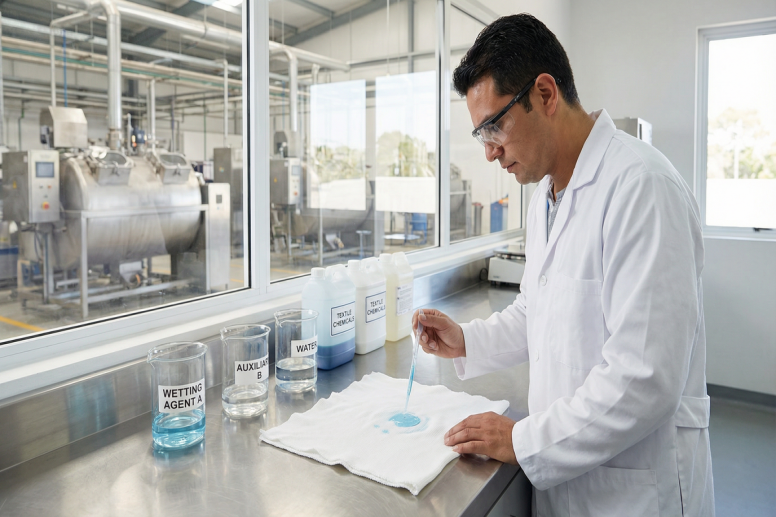
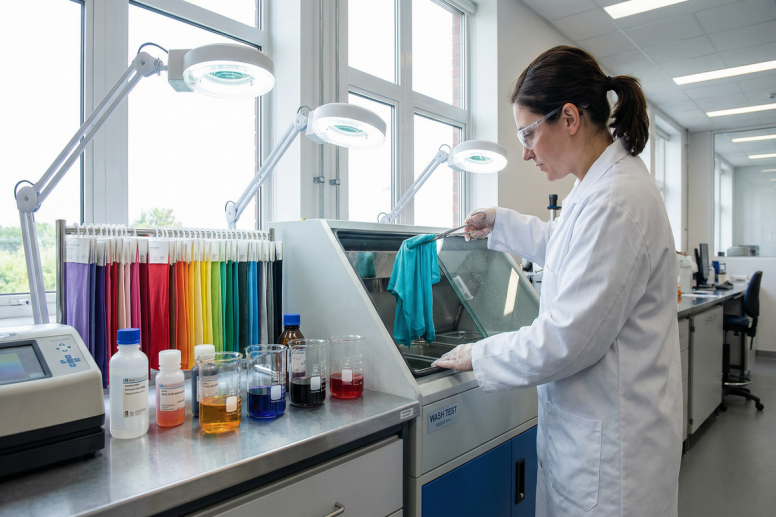
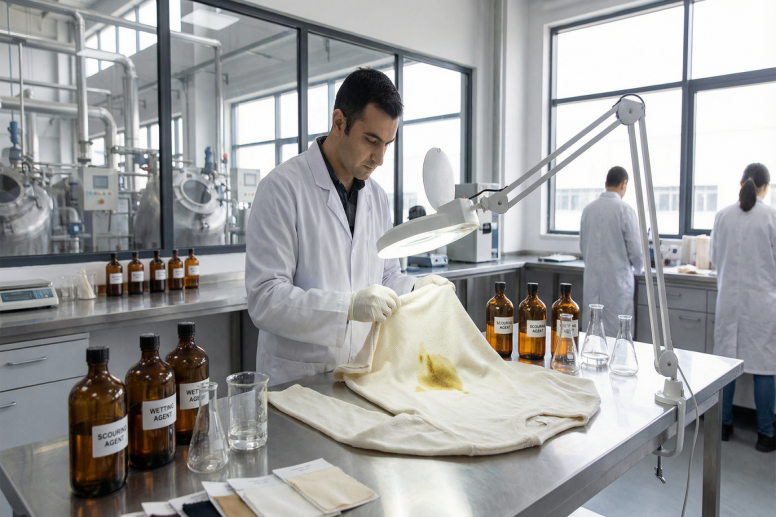
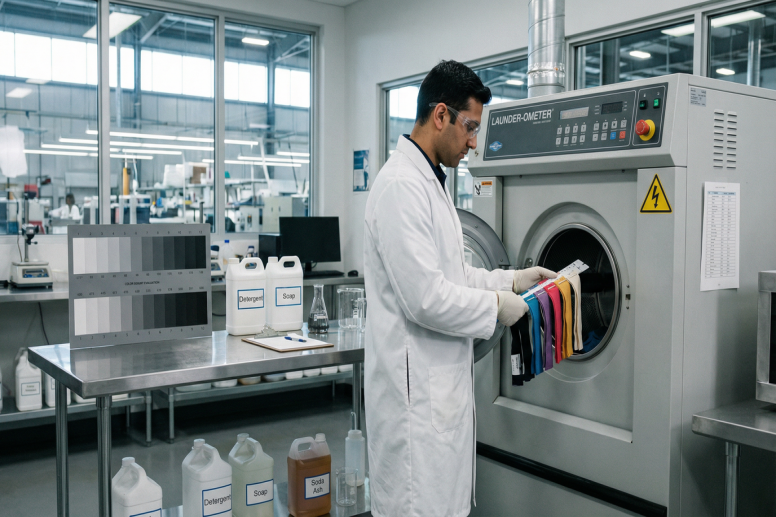
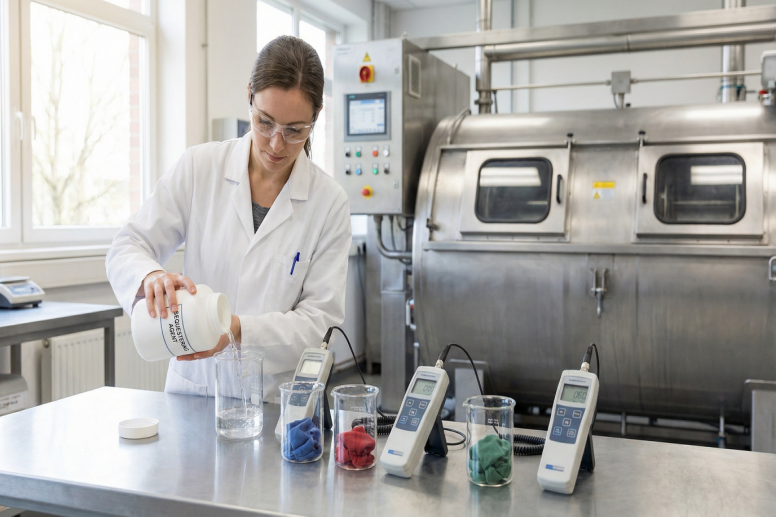
Pre-lab testing of dyes and auxiliaries to determine optimal dosage
Proper water treatment using sequestering agents
Controlled chemical addition to reduce overuse
Maintain correct temperature and pH during dyeing
Regular monitoring of dye bath and fabric quality
Combining the right auxiliaries with process control ensures consistent results with lower resource use.
Benefits for Textile Dyeing Mills
Lower chemical consumption
Reduced water and energy usage
Less fabric rejection and reprocessing
Improved production efficiency
Higher profit margins
Conclusion
Textile auxiliaries play a vital role in reducing knit dyeing costs. By improving dye utilization, minimizing defects, protecting fabrics, and stabilizing dye baths, these chemicals enable efficient, high-quality production.
Textile dyeing mills achieve maximum cost efficiency when technical teams select suitable auxiliaries, optimize dosage, and maintain proper process control.