10 Mar
How to Improve Wash Fastness in Knit Dyeing, Causes and Chemical Solutions
Learn how textile dyeing mills improve wash fastness in knit dyeing using soaping agents, fixing agents, and proper dyeing process control.
Wash Fastness in Knit Dyeing
Wash fastness refers to the ability of dyed fabric to retain color during washing. Strong wash fastness remains essential for cotton knit garments such as t shirts, sportswear, and casual apparel.
Poor wash fastness leads to color fading, staining of other garments, and customer complaints. Textile dyeing mills apply proper chemical treatment and process control to achieve stable fastness performance.
Reactive dyeing of cotton knit fabrics requires accurate chemical management to maintain strong dye fiber bonding.
What Is Wash Fastness
Wash fastness describes the resistance of dyed fabric color against washing conditions. A fabric with strong wash fastness maintains color strength and prevents dye transfer during repeated washing cycles.
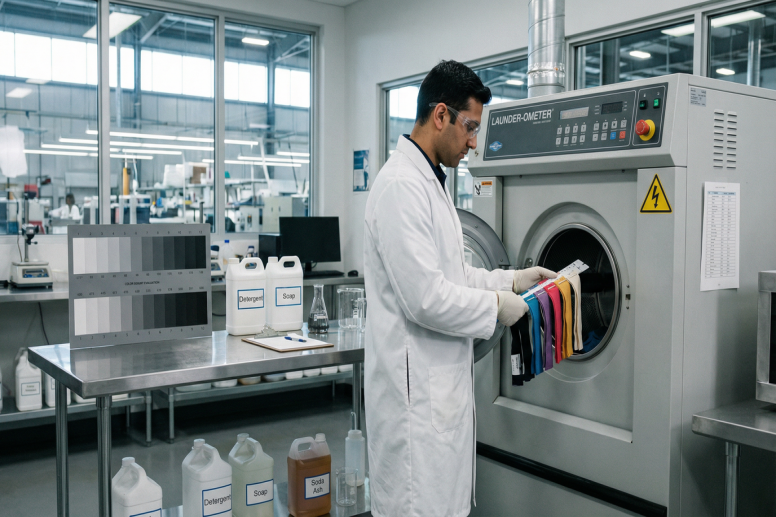
International textile standards measure wash fastness using laboratory washing tests and color rating scales.
Garment buyers often require wash fastness ratings between grade 4 and grade 5 for high quality products.
Causes of Poor Wash Fastness
Several technical factors influence wash fastness performance during knit dyeing.
Incomplete Dye Fixation
Reactive dyes must form chemical bonds with cotton fibers. Weak fixation leaves dye molecules loosely attached to the fabric surface.
Insufficient Soaping Process
Hydrolyzed dyes remain on the fabric surface if the washing process remains incomplete.
Incorrect Alkali Addition
Reactive dye fixation depends on correct alkali concentration during dyeing.
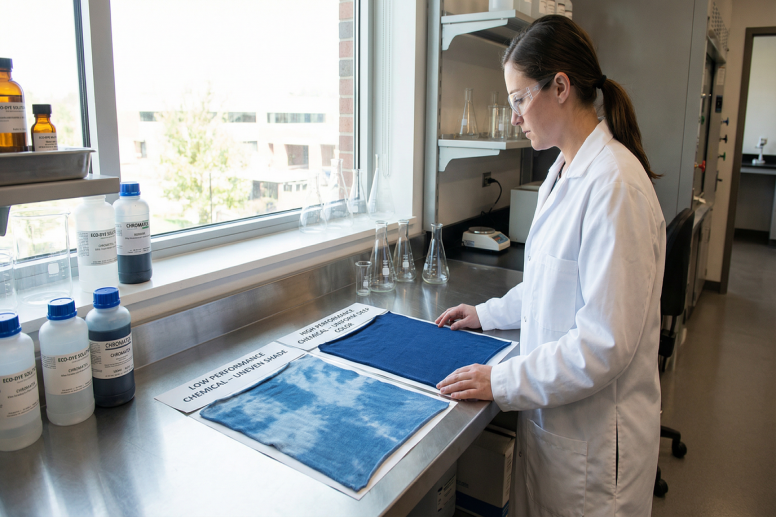
Poor Chemical Quality
Low performance auxiliaries reduce dye fixation and washing efficiency.
These issues reduce wash fastness and cause color bleeding.
Chemical Solutions to Improve Wash Fastness
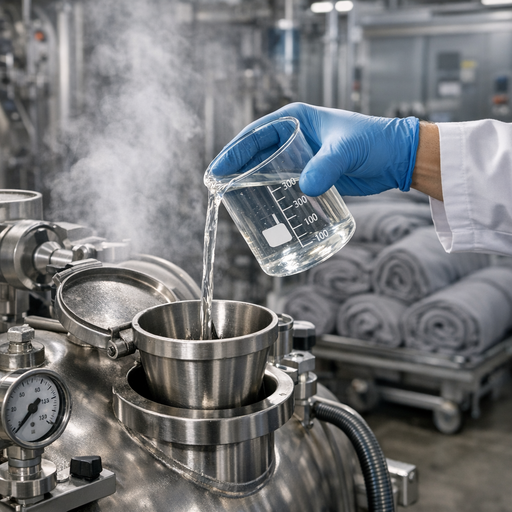
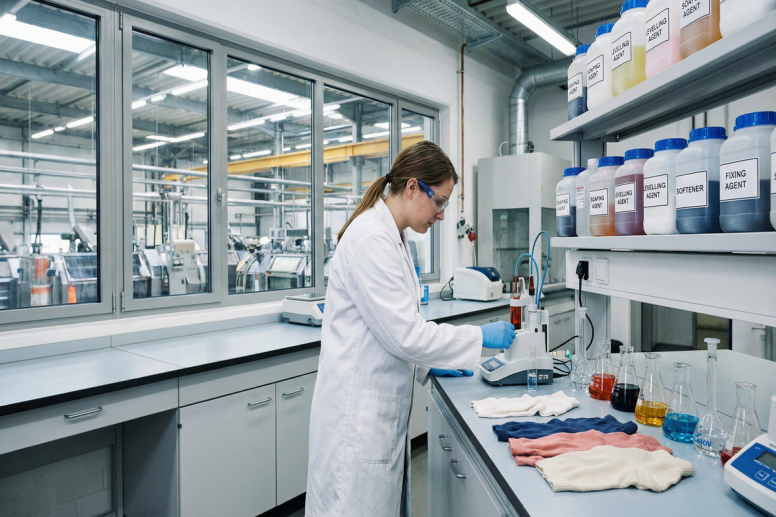
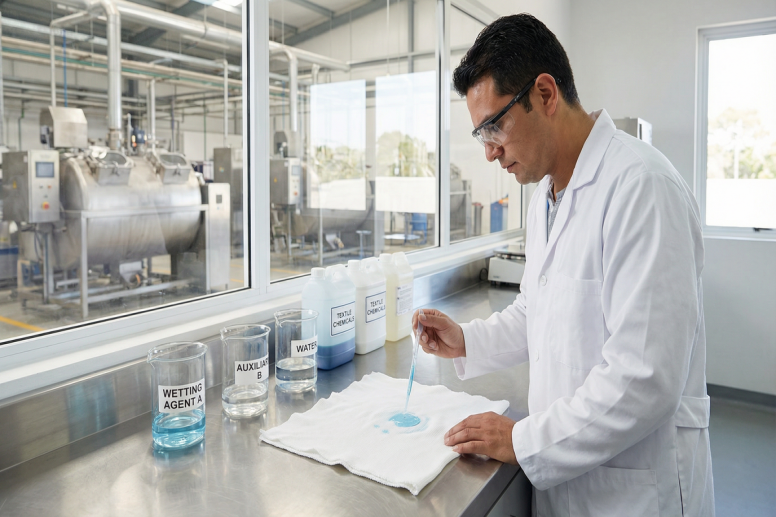
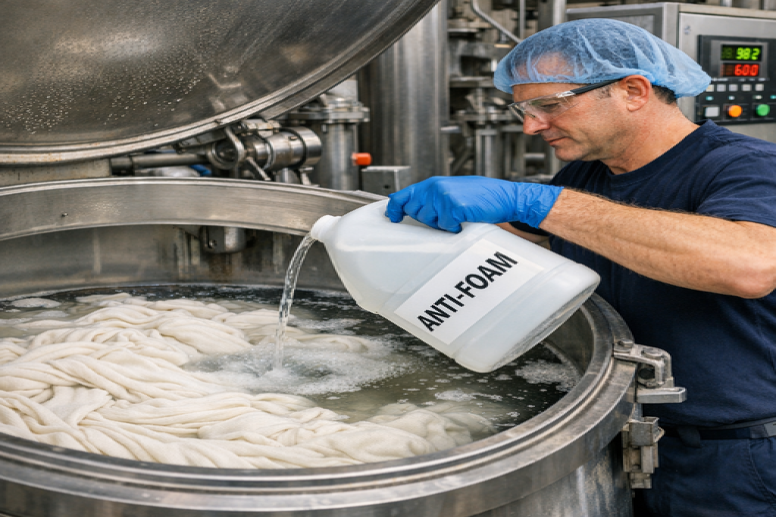
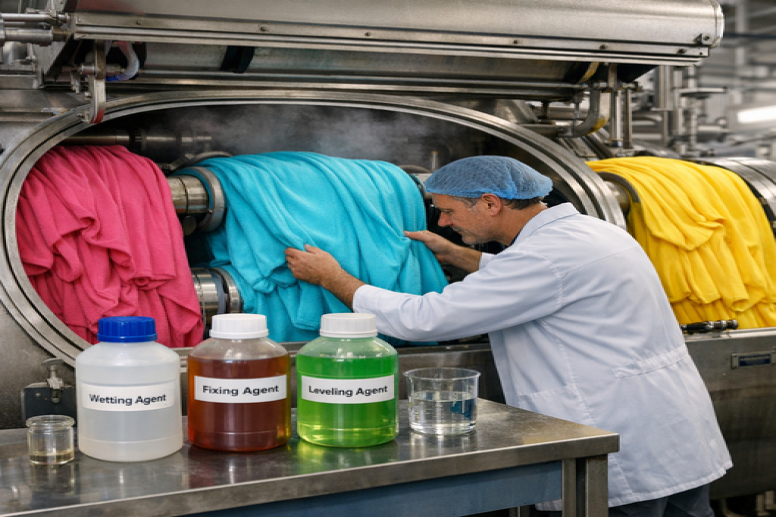
Textile auxiliaries support dye fixation and dye removal during the washing stage.
Soaping Agents
Soaping agents remove hydrolyzed dye particles from the fabric surface.
Benefits
Improved wash fastness
Cleaner shade appearance
Reduced color bleeding
Fixing Agents
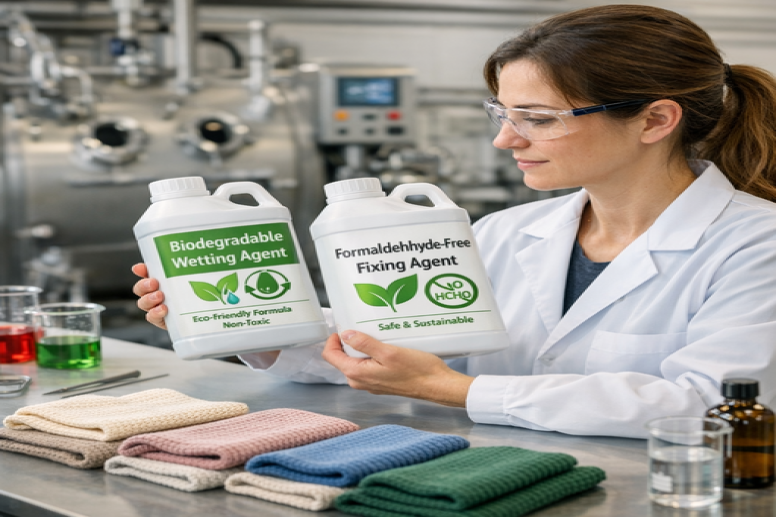
Fixing agents form a protective layer around dye molecules attached to cotton fibers.
Benefits
Improved wash fastness
Better rubbing fastness
Reduced dye migration during washing
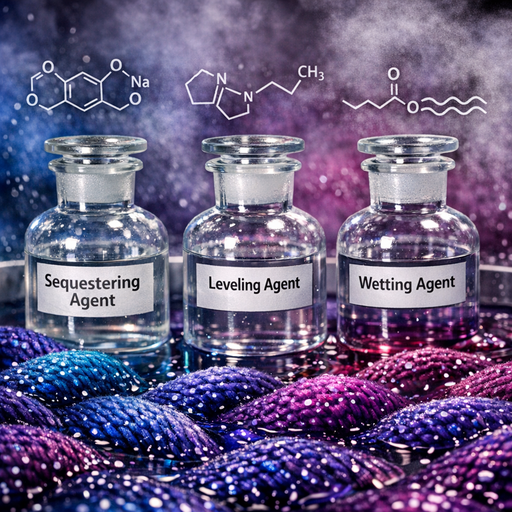
Sequestering Agents
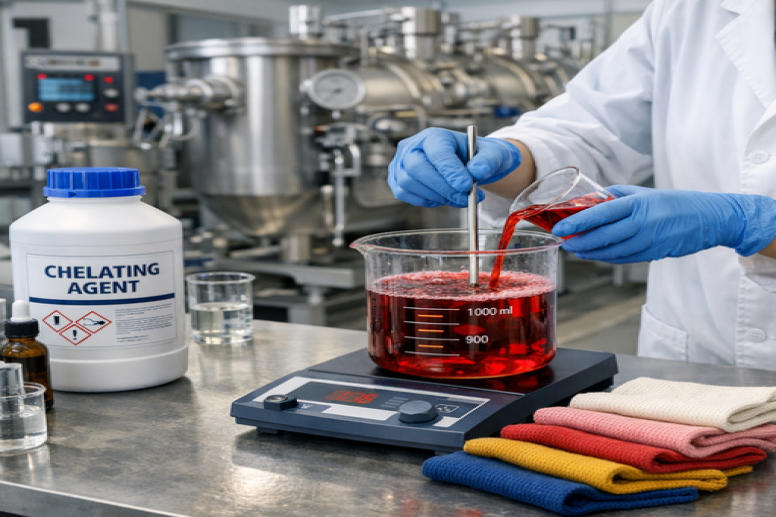
Sequestering agents control metal ions present in process water.
Benefits
Stable dye bath conditions
Improved chemical performance
Recommended Process for Strong Wash Fastness
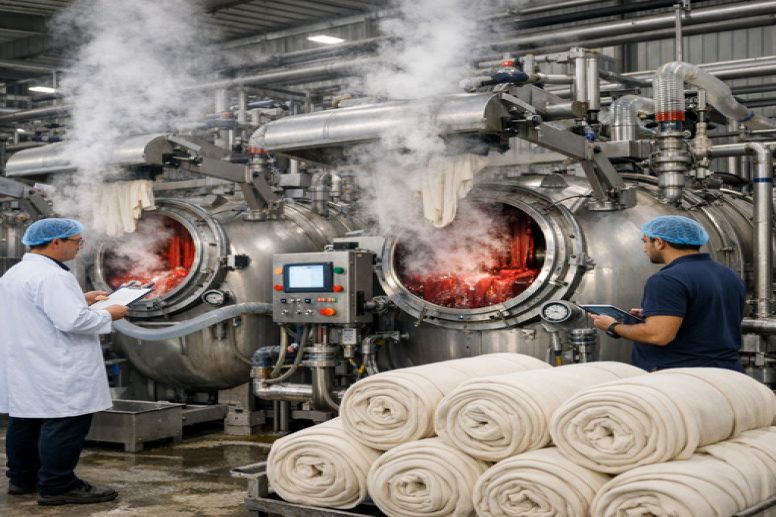
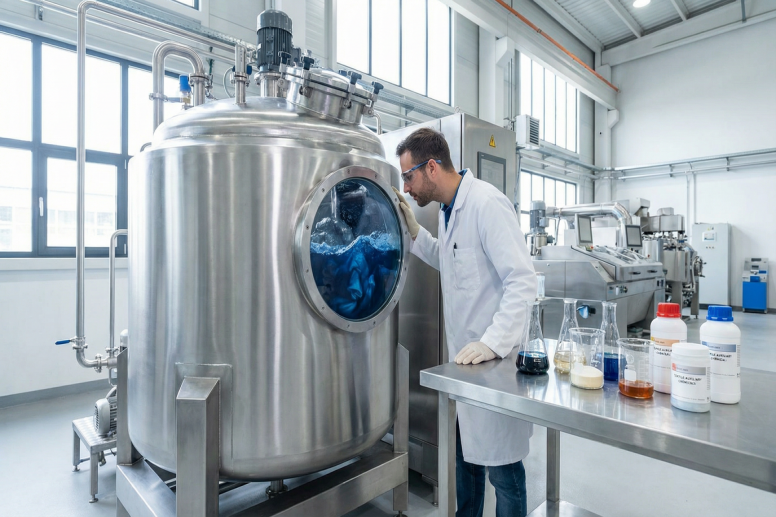
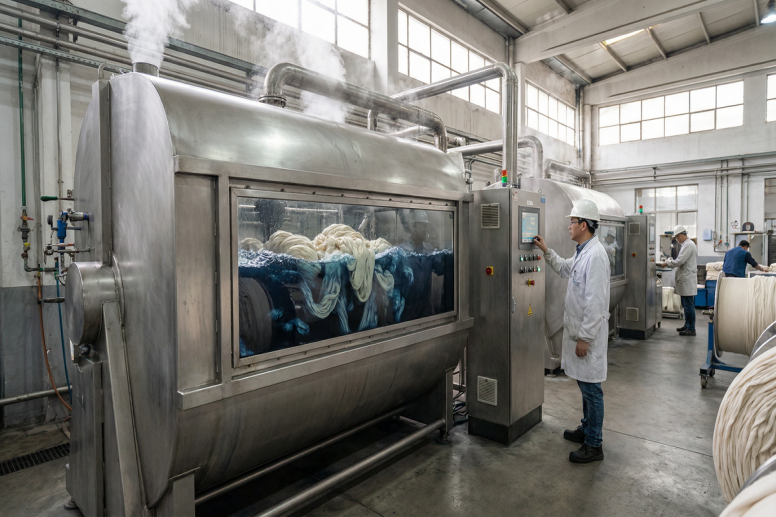
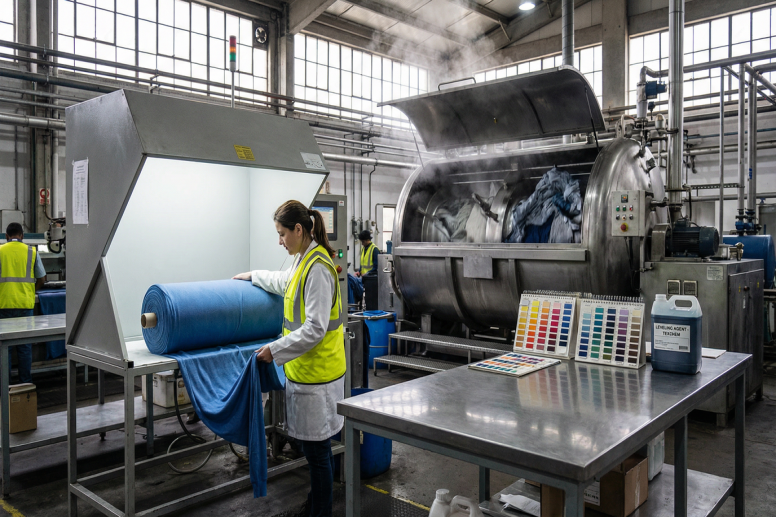
Dyeing mills follow a structured process to improve wash fastness performance.
Typical process steps include
Proper dyeing with controlled temperature and pH
Gradual addition of salt and alkali
Thorough washing after dyeing
High temperature soaping treatment
Fixing agent application
This sequence removes loose dyes and strengthens dye fixation.
Quality Control in Textile Dyeing Mills
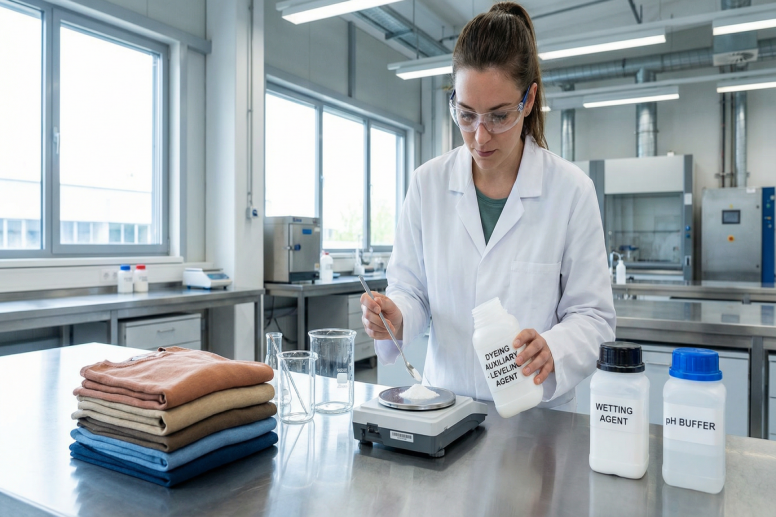
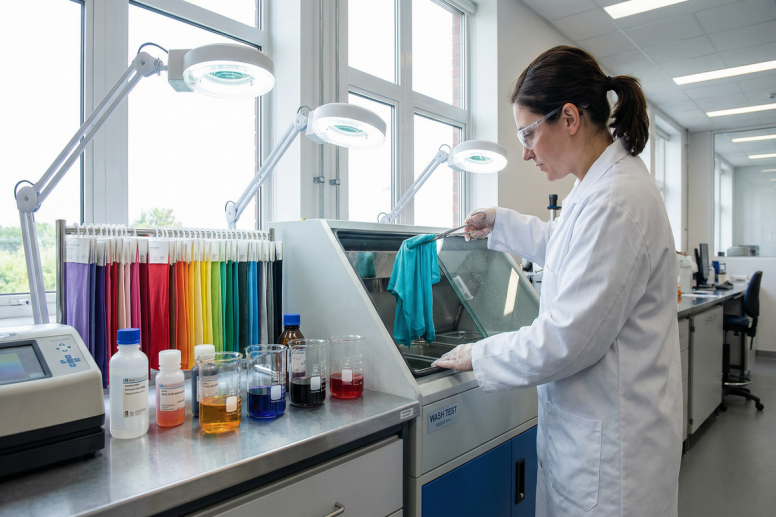
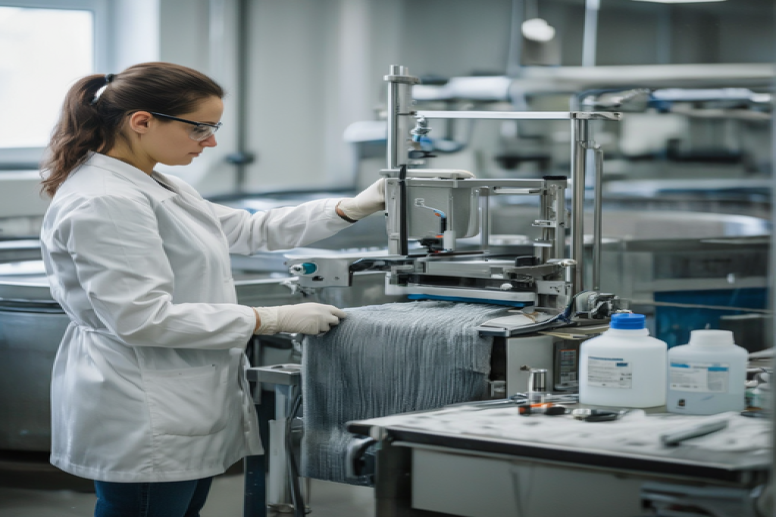
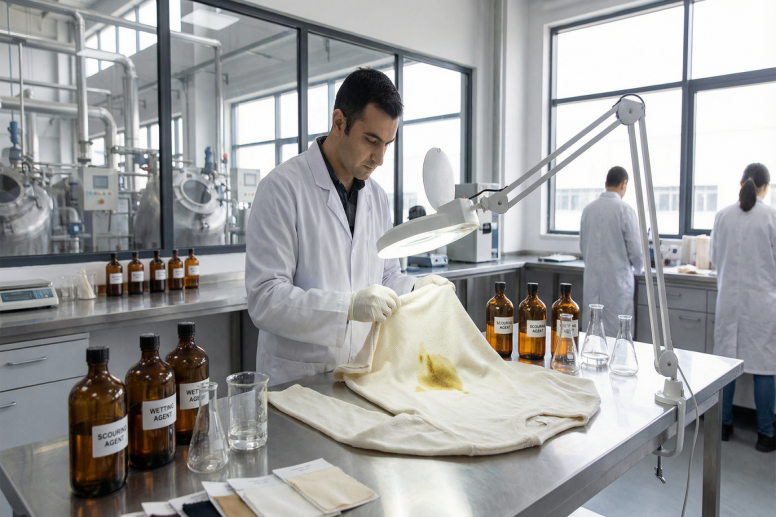
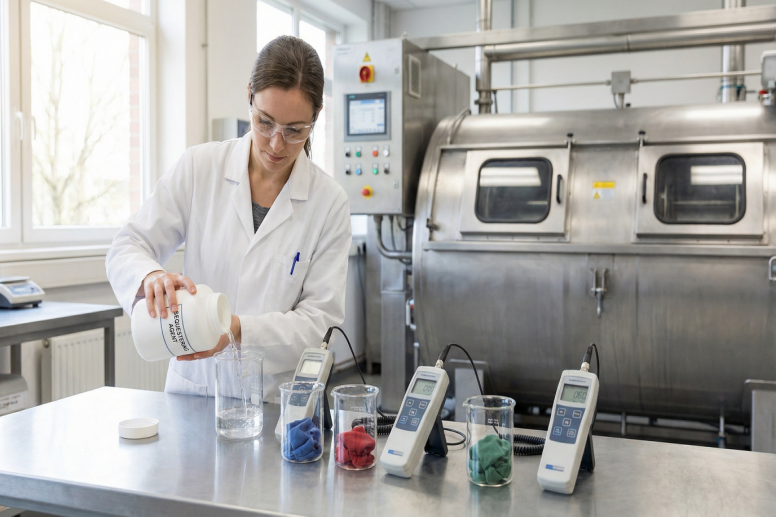
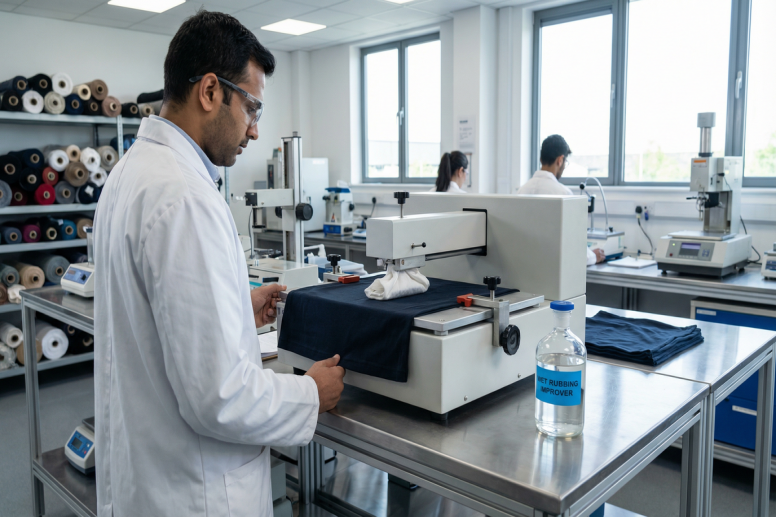
Dyeing factories perform laboratory testing to verify wash fastness results.
Common testing methods include
Laboratory washing test
Rubbing fastness test
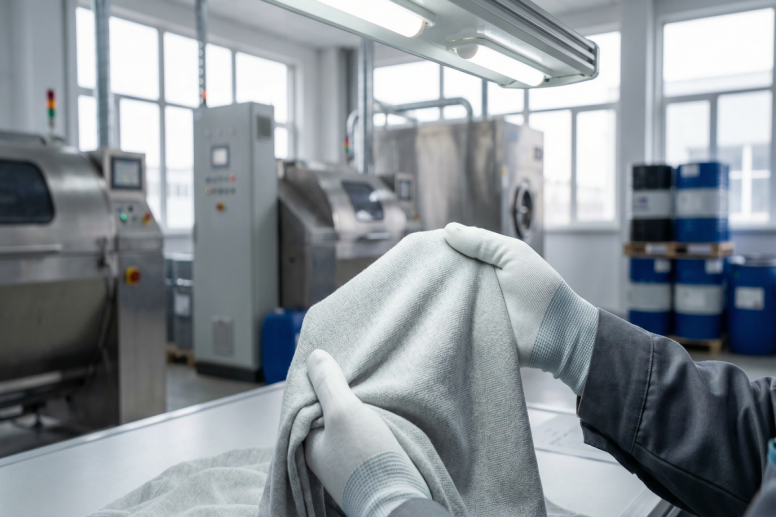
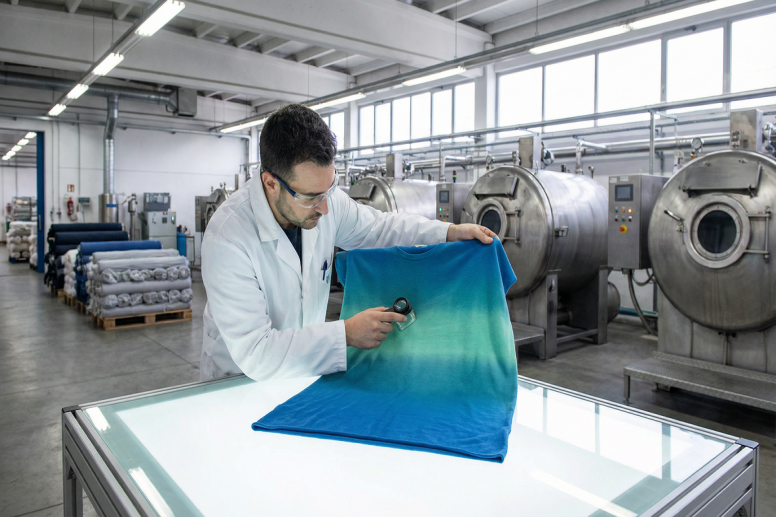
Color shade evaluation
These tests ensure compliance with garment buyer requirements.
Impact on Textile Production
Wash fastness performance directly influences garment quality and brand reputation.
Benefits of strong wash fastness include
Long lasting fabric color
Reduced garment complaints
Higher product value
Improved customer satisfaction
Maintaining stable fastness performance remains essential for export quality textiles.
Conclusion
Wash fastness remains a critical quality parameter in knit dyeing operations. Poor dye fixation and incomplete washing create color bleeding and fabric staining problems. Proper use of soaping agents, fixing agents, and sequestering agents helps improve wash fastness performance.
Dyeing mills achieve reliable results when technical teams combine correct chemical selection with strict process control during dyeing and washing stages.