09 Mar
Knit Dyeing Process Flow and Chemicals Used in Cotton Knit Dyeing
Learn the complete knit dyeing process flow for cotton fabric including scouring, bleaching, dyeing, washing, and finishing with chemicals used in dyeing mills.
Knit Dyeing Process Flow and Chemical Use
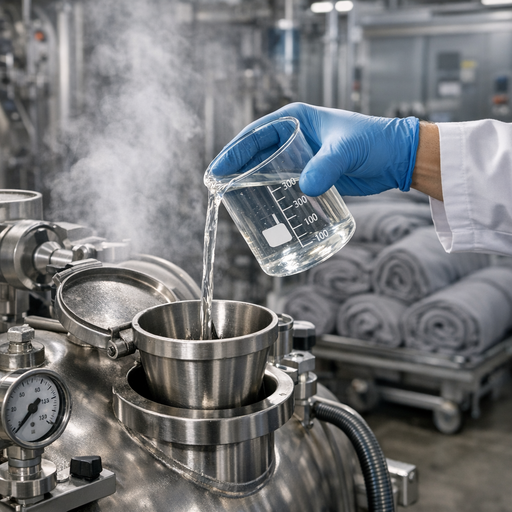
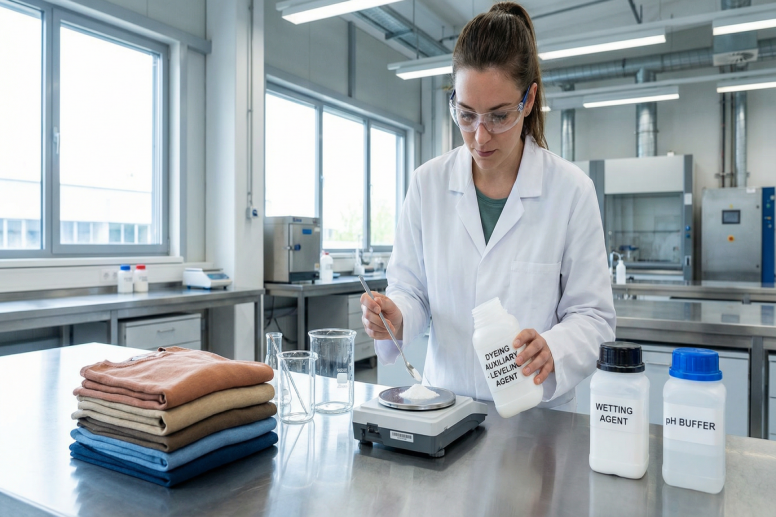
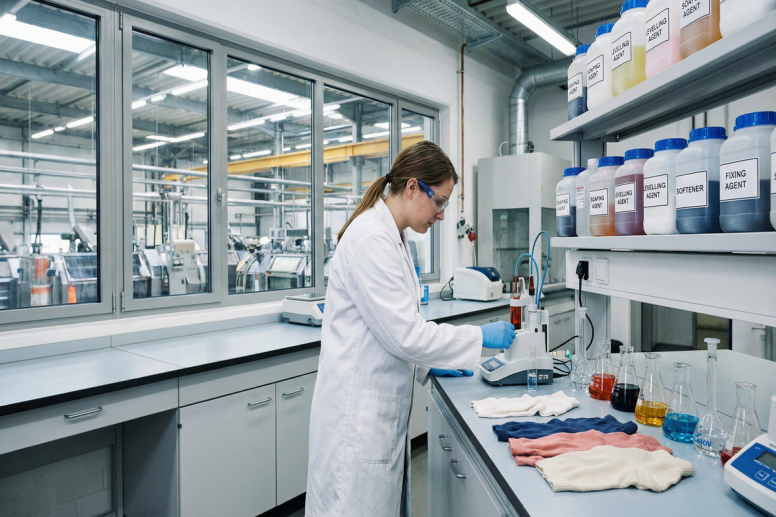
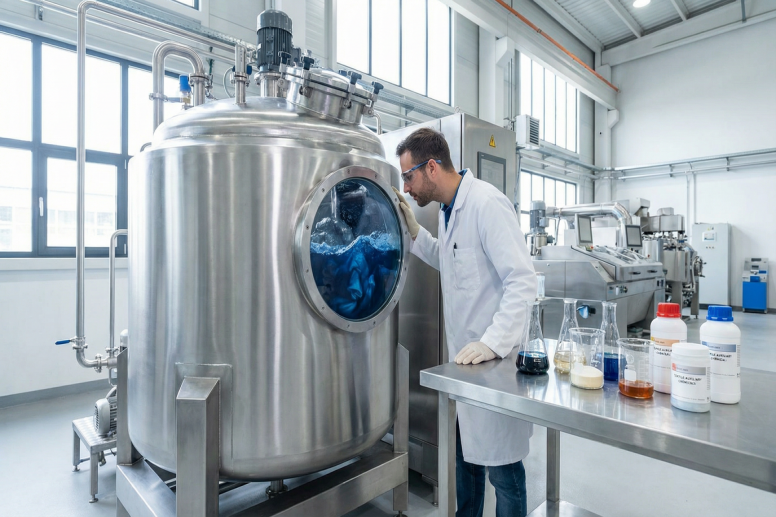
Knit dyeing factories follow a controlled production sequence to achieve stable color and fabric quality. Each stage in the knit dyeing process uses specific textile auxiliaries and dyes. Proper chemical selection and correct process control improve dye penetration, shade consistency, and fabric performance.
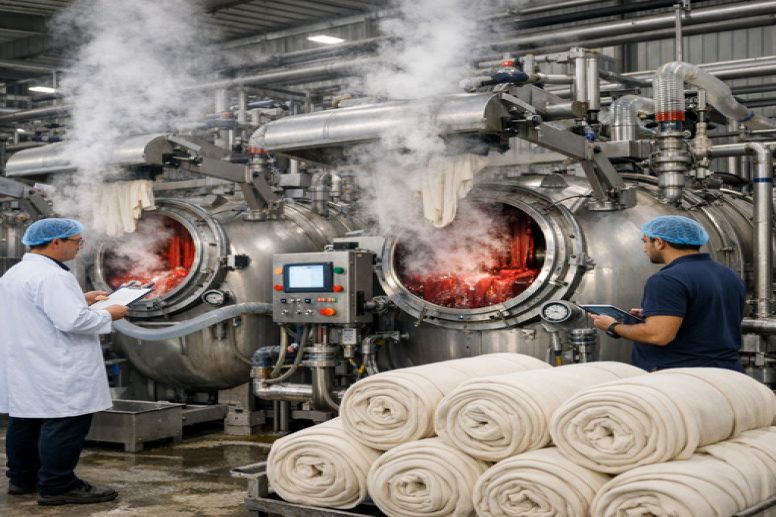
Cotton knit fabrics often undergo reactive dyeing due to strong wash fastness and bright color results. Dyeing mills control temperature, pH, chemical dosage, and machine movement throughout the process.
Standard Knit Dyeing Process Flow
Most dyeing factories follow these process steps.
Grey fabric preparation
Scouring
Bleaching
Neutralization
Dyeing
Washing
Soaping
Final washing
Soft finishing
Drying
Each stage includes different textile chemicals.
1. Grey Fabric Preparation
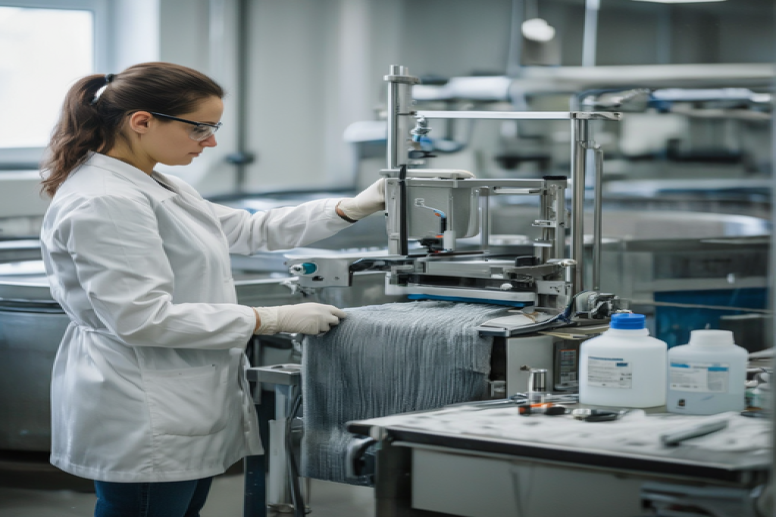
Knitting machines produce grey fabric with oil, wax, and dust particles. Dyeing factories inspect fabric quality before entering wet processing.
Operations during preparation
Fabric inspection
Fabric batching
Stitching fabric ends
Purpose
Prepare fabric for continuous dyeing process and reduce production interruption.
2. Scouring Process
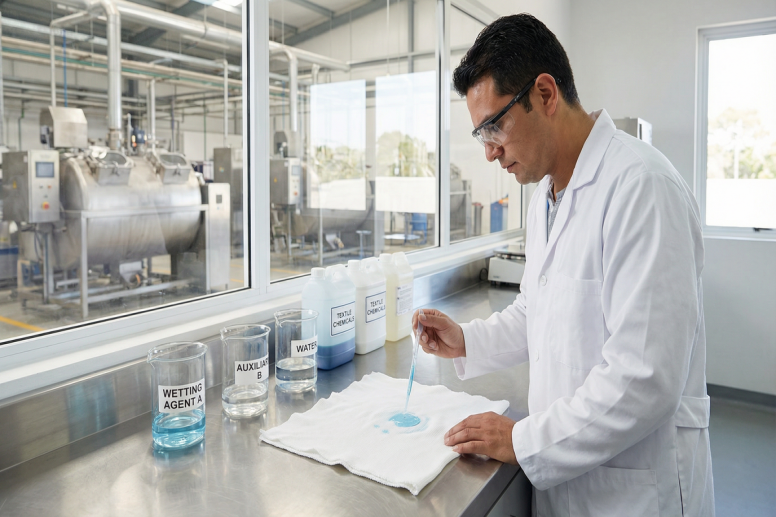
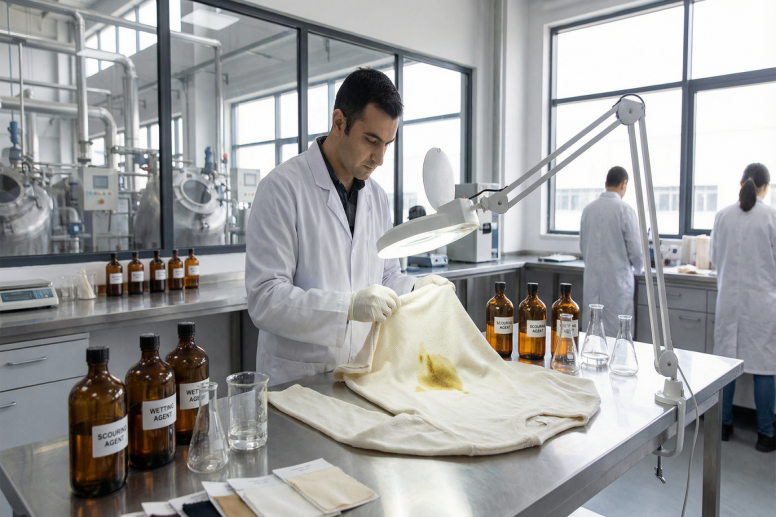
Scouring removes natural impurities such as wax, oils, and dirt from cotton fiber. Clean fiber structure improves dye penetration.
Chemicals used in scouring
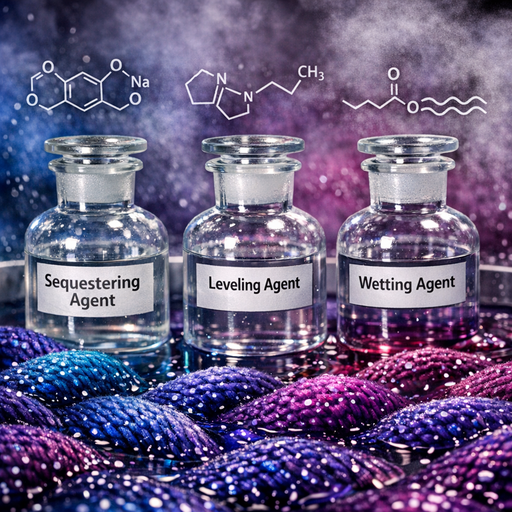
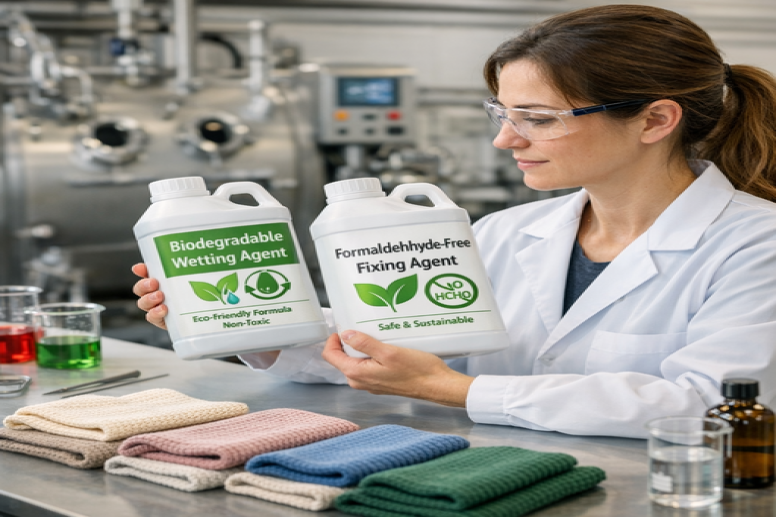
Wetting agent
Scouring detergent
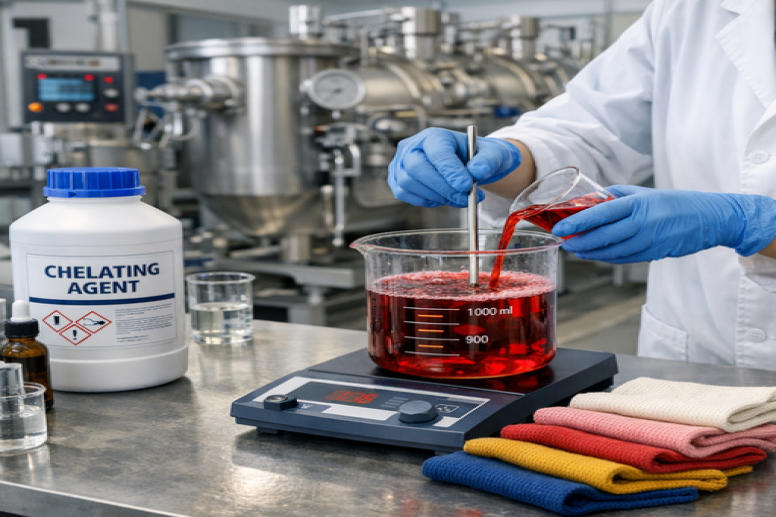
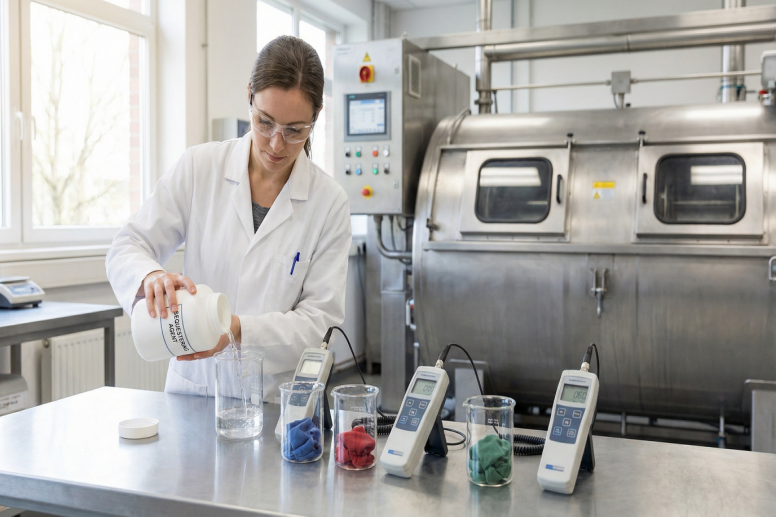
Sequestering agent
Caustic soda
Typical conditions
Temperature
95 to 100°C
Benefits
Improved absorbency
Uniform dye penetration
Clean fabric surface
3. Bleaching Process
Bleaching removes natural color pigments from cotton fibers. This stage prepares fabric for light or bright shades.
Chemicals used in bleaching
Hydrogen peroxide
Stabilizer
Wetting agent
Sequestering agent
Typical temperature
90 to 98°C
Benefits
Uniform whiteness
Improved shade clarity during dyeing
4. Neutralization
After bleaching, residual alkali remains inside the fabric. Neutralization removes excess alkali and stabilizes fabric pH.
Chemicals used
Acetic acid
Neutralizing agent
Target pH level
6.0 to 7.0
Benefits
Protect reactive dyes
Prevent dye hydrolysis
5. Dyeing Process
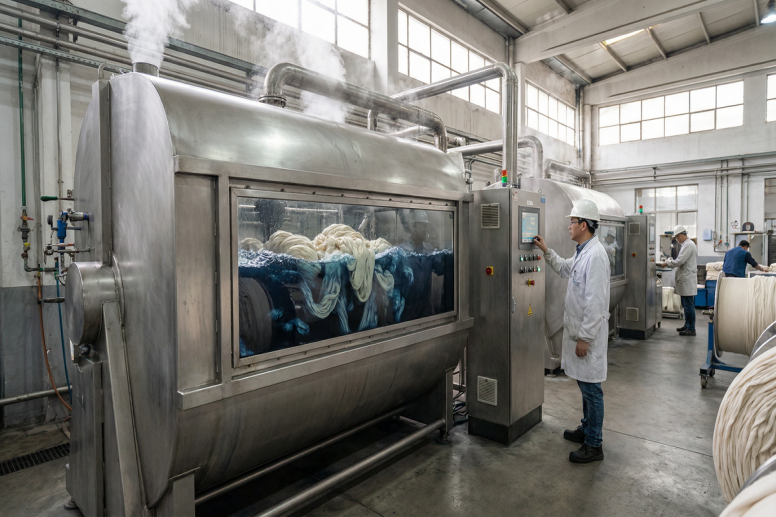
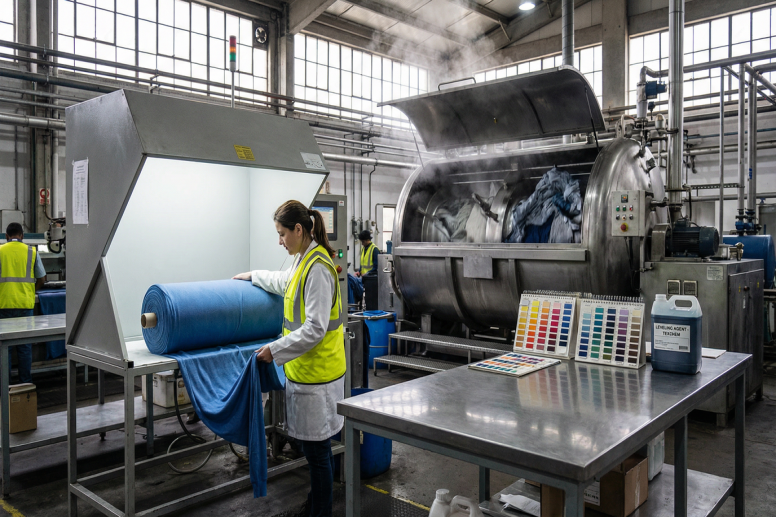
Dyeing is the most critical stage in knit dyeing production. Reactive dyes form chemical bonds with cotton fiber molecules.
Chemicals used in dyeing
Reactive dyes
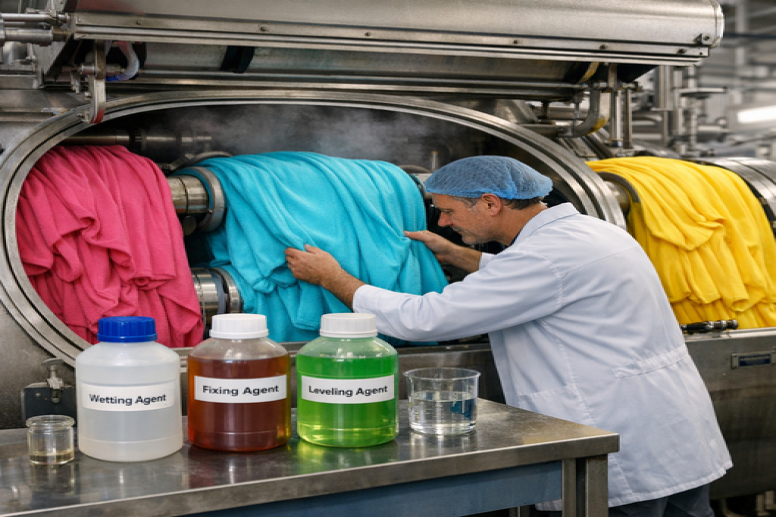
Leveling agent
Anti creasing agent
Glauber salt or common salt
Soda ash
Typical temperature
60°C
Benefits
Uniform color distribution
Stable dye fixation
6. Washing Process
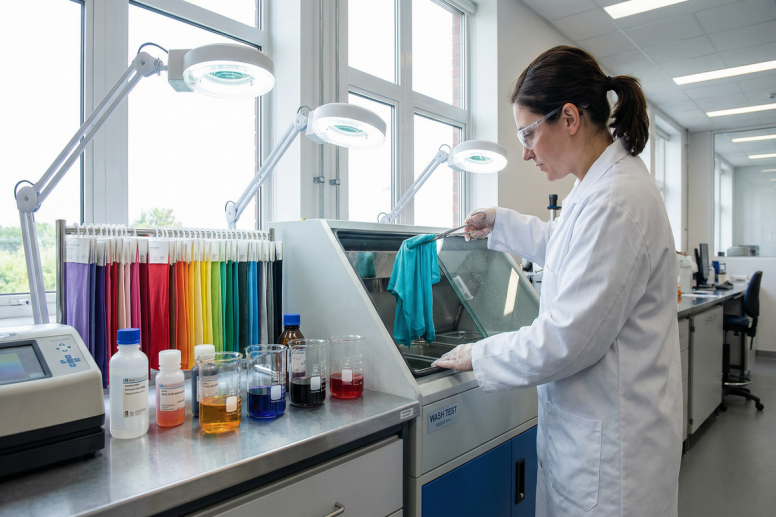
After dyeing, unfixed dye particles remain on the fabric surface. Washing removes loose dyes and chemical residues.
Chemicals used
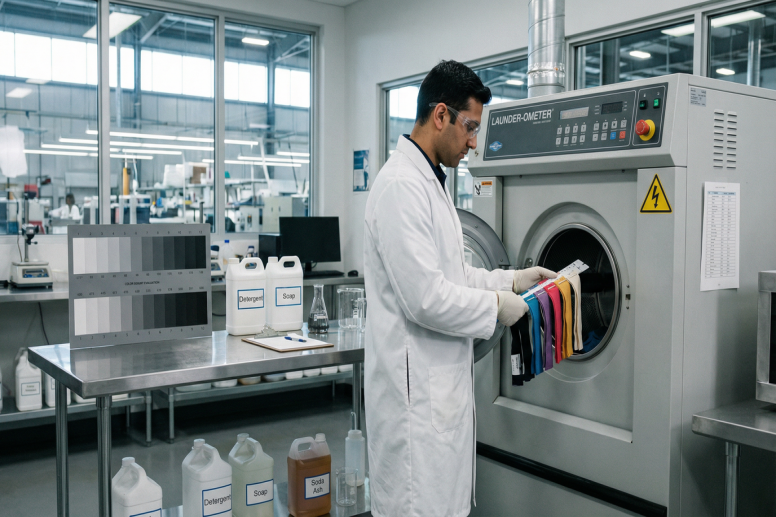
Detergent
Washing agent
Benefits
Clean fabric surface
Reduced staining during use
7. Soaping Process
Soaping removes hydrolyzed reactive dyes from the fiber surface. This stage improves wash fastness and color clarity.
Chemicals used
Soaping agent
Sequestering agent
Typical temperature
95°C
Benefits
Higher wash fastness
Clear and bright shade
8. Final Washing
Final washing removes remaining chemicals from the fabric before finishing.
Operations
Hot wash
Cold wash
Benefits
Chemical residue removal
Fabric stabilization
9. Soft Finishing
Soft finishing improves fabric feel and surface smoothness. Knit garments require comfortable fabric touch.
Chemicals used
Silicone softener
Finishing auxiliaries
Benefits
Improved softness
Smooth fabric handle
10. Drying Process
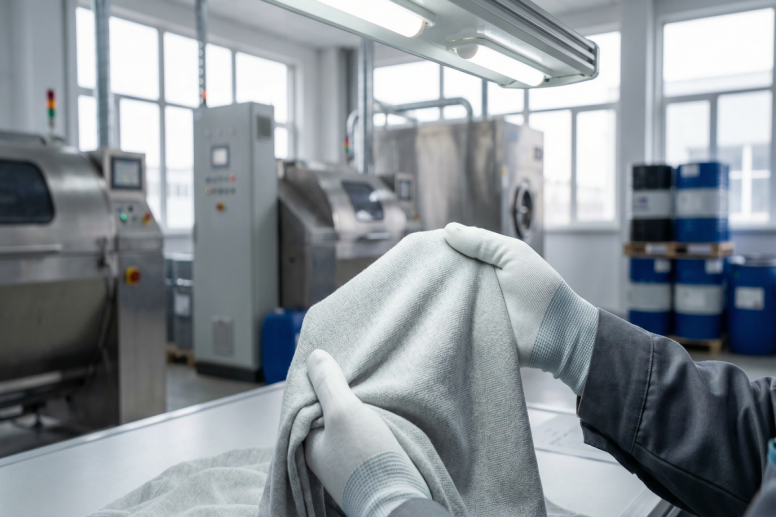
Drying removes moisture from the dyed fabric. Dyeing mills use different drying machines.
Common machines
Hydro extractor
Tumble dryer
Stenter machine
Purpose
Prepare fabric for garment production or fabric delivery.
Importance of Chemical Control in Knit Dyeing
Chemical dosage and process control influence dyeing results. Dyeing mills maintain strict control over production parameters.
Critical control factors
Chemical concentration
Dye bath pH
Temperature profile
Machine liquor ratio
Fabric movement inside dyeing machine
Correct control prevents shade variation and reduces production cost.
Common Problems in Knit Dyeing Process
Dyeing factories often face technical challenges.
Common dyeing issues
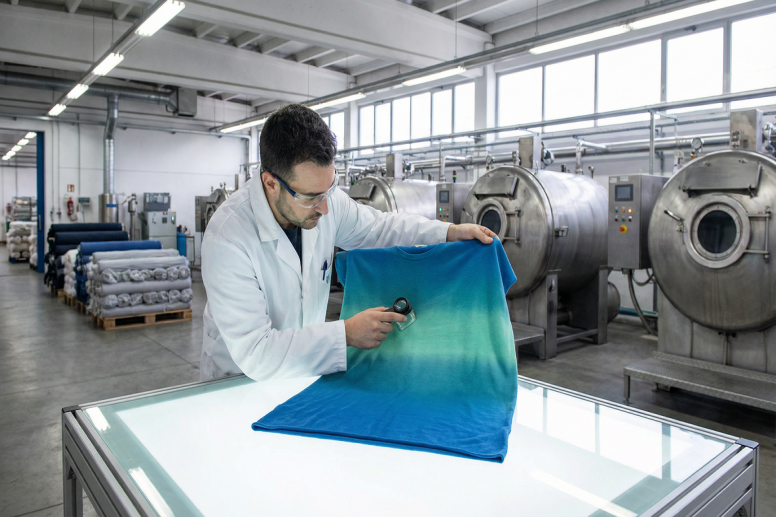
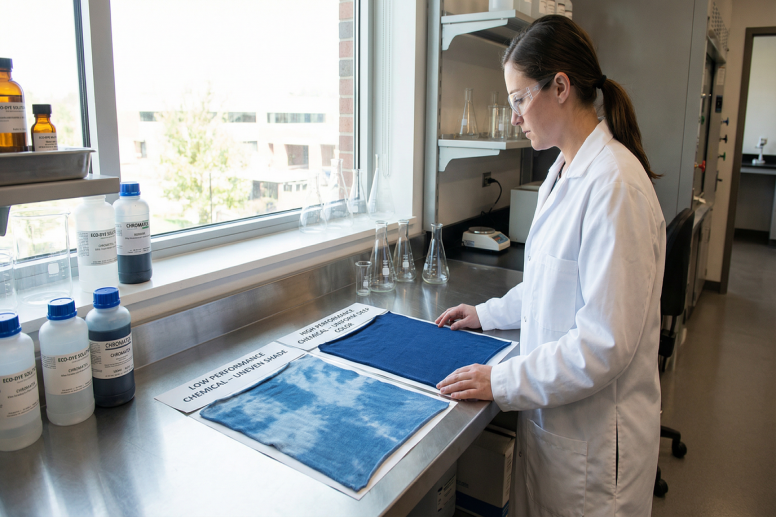
Uneven dyeing
Shade variation
Crease marks
Poor wash fastness
Dye spots
Technical teams solve these problems through correct auxiliary selection and process optimization.
Conclusion
The knit dyeing process includes several controlled stages from pretreatment to finishing. Each stage requires specific textile auxiliaries and process conditions. Proper chemical use improves dye penetration, shade uniformity, and fabric quality.
Dyeing factories achieve stable production when technical teams follow correct process flow and maintain chemical control during every stage of the dyeing operation.