10 Mar
Soaping Agent in Knit Dyeing, Function, Benefits, and Dosage in Reactive Dyeing
Learn how soaping agents work in knit dyeing. Understand their role in removing hydrolyzed dyes and improving wash fastness in reactive dyeing of cotton fabrics.
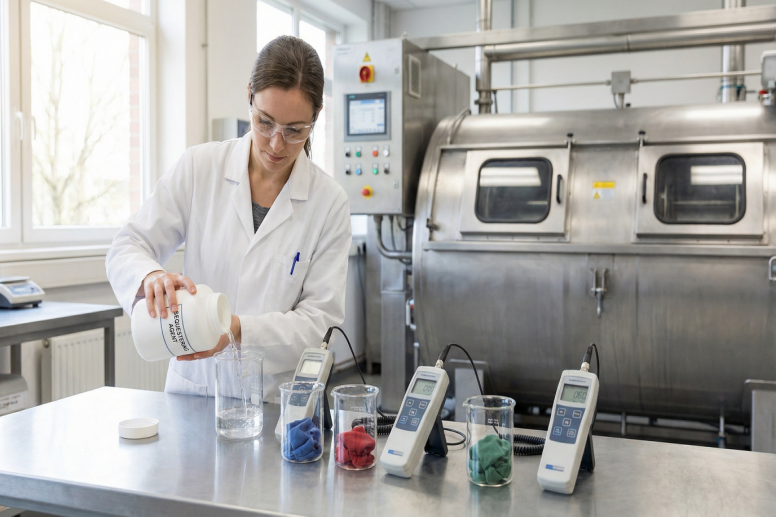
Soaping Agent in Knit Dyeing
Reactive dyeing of cotton knit fabrics produces strong chemical bonds between dye molecules and fiber. During this process, a portion of dye becomes hydrolyzed and remains unfixed on the fabric surface.
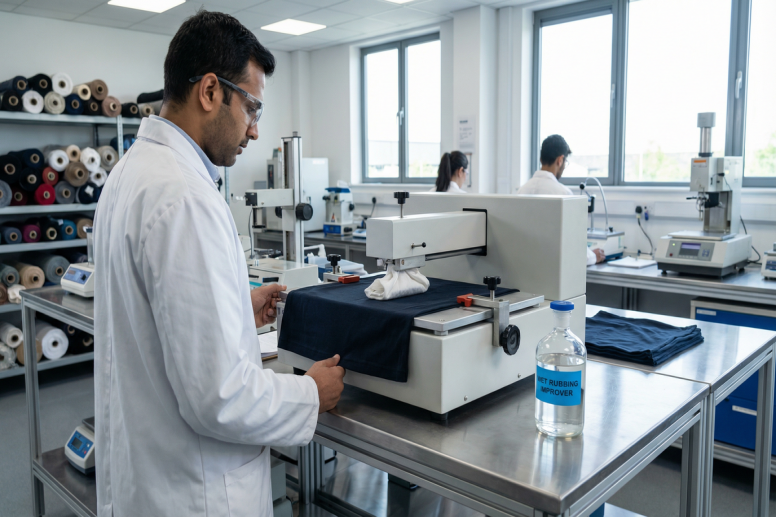
This unfixed dye causes staining during washing and reduces wash fastness. Soaping agents remove these loose dye particles from the fiber surface after dyeing.
Textile dyeing mills use soaping agents during the after treatment stage to produce clean shades and improve color durability.
What Is a Soaping Agent
A soaping agent refers to a textile auxiliary designed to remove hydrolyzed dyes and dye residues from dyed fabric. The chemical disperses unfixed dye molecules and prevents them from re attaching to the fiber.
This cleaning action produces clear color shades and improves fastness properties of dyed fabrics.
Soaping agents play an essential role in reactive dyeing processes used for cotton knit fabrics.
Why Soaping Is Important After Dyeing
During reactive dyeing, part of the dye reacts with water instead of cotton fiber. This reaction forms hydrolyzed dye molecules.
These dyes remain on the fabric surface and create several quality problems.
Common issues include
Poor wash fastness
Fabric staining during washing
Dull shade appearance
Color bleeding in garments
Soaping removes these unwanted dye particles and improves overall fabric quality.
Functions of Soaping Agents
Soaping agents perform several important roles during textile processing.
Removal of Hydrolyzed Dye
The auxiliary dissolves unfixed dye molecules from the fabric surface.
Prevention of Back Staining
Dispersed dye particles remain suspended in water and do not redeposit on the fabric.
Shade Cleaning
Removal of excess dye produces brighter and cleaner shades.
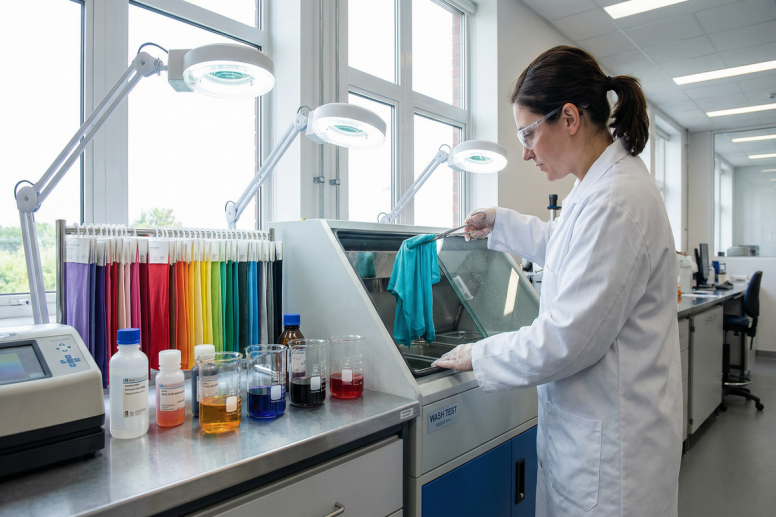
Improvement of Wash Fastness
Proper soaping improves color stability during washing.
These functions support high quality dyeing results.
Application Stage in Knit Dyeing
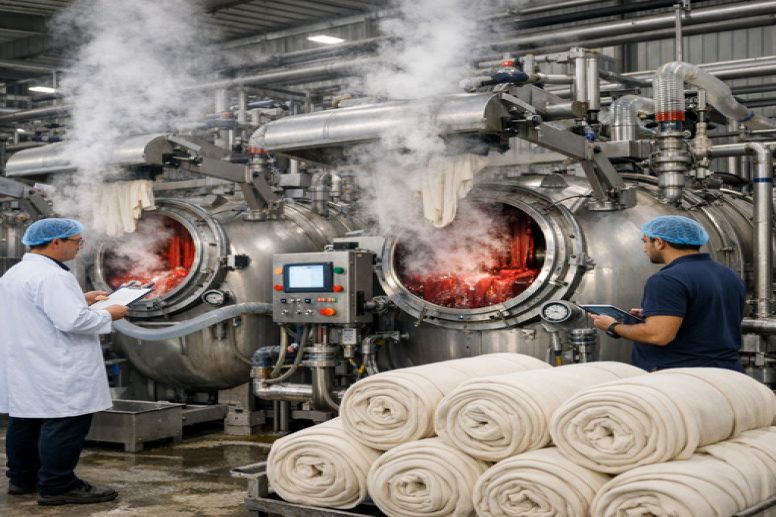
Dyeing mills perform the soaping process after the main dyeing stage.
Typical process sequence includes
Initial washing to remove salts and alkali
Soaping treatment at high temperature
Hot wash to remove dispersed dye particles
Final cold washing
This sequence ensures complete removal of hydrolyzed dyes.
Typical Dosage in Knit Dyeing
Soaping agent dosage depends on shade depth and dye type.
Typical dosage range
0.5 to 1.5 g/l
Dark shades often require higher dosage and longer washing cycles.
Correct chemical dosing improves washing efficiency and shade clarity.
Benefits for Textile Dyeing Mills
Use of high performance soaping agents improves production quality.
Key advantages include
Higher wash fastness
Cleaner shade appearance
Reduced back staining
Improved garment durability
These benefits support consistent dyeing results in knit fabric production.
Selection Criteria for Soaping Agents
Technical teams consider several factors before selecting a soaping agent.
Important criteria include
Strong dye dispersing ability
Stability at high washing temperature
Low foam formation
Compatibility with reactive dyes
Proper auxiliary selection improves washing performance during textile processing.
Environmental and Compliance Standards
Global apparel brands demand responsible chemical use in textile manufacturing. Dyeing mills must follow chemical safety regulations.
Common certification standards include
ZDHC approved chemicals
OEKO TEX certification
GOTS standard
Bluesign compliance
Use of certified auxiliaries supports sustainable textile production.
Conclusion
Soaping agents remain essential auxiliaries in knit dyeing operations. These chemicals remove hydrolyzed dyes from the fabric surface and improve wash fastness performance. Proper soaping treatment produces clear shades and prevents color bleeding during washing.
Dyeing mills maintain high fabric quality when technical teams apply correct soaping procedures and maintain proper chemical dosage during the after treatment stage.