10 Mar
Anti Creasing Agent in Knit Dyeing, Function, Benefits, and Dosage
Learn how anti creasing agents work in knit dyeing. Understand their role in preventing crease marks and improving fabric movement during textile dyeing.
Anti Creasing Agent in Knit Dyeing
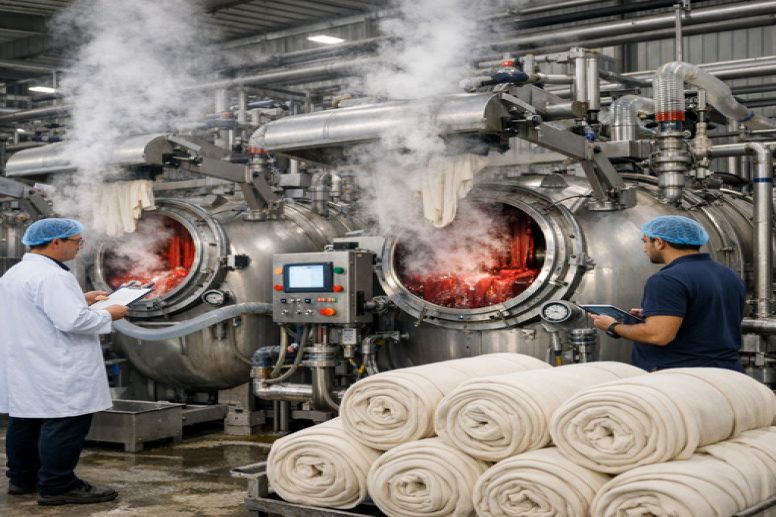
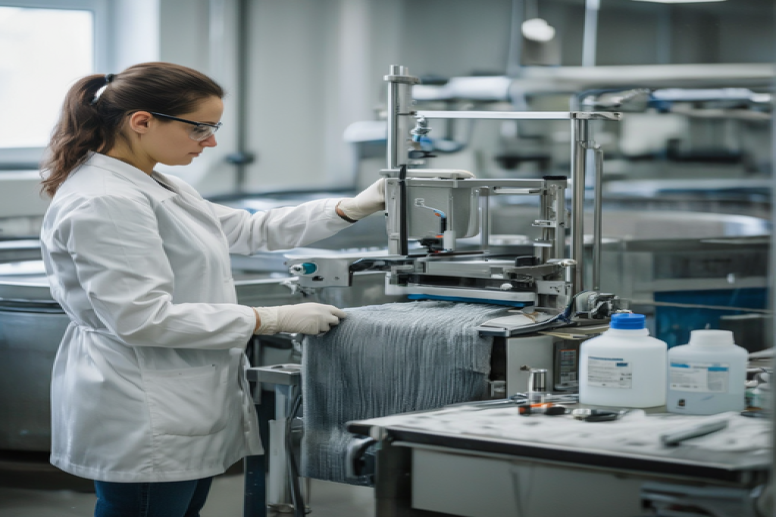
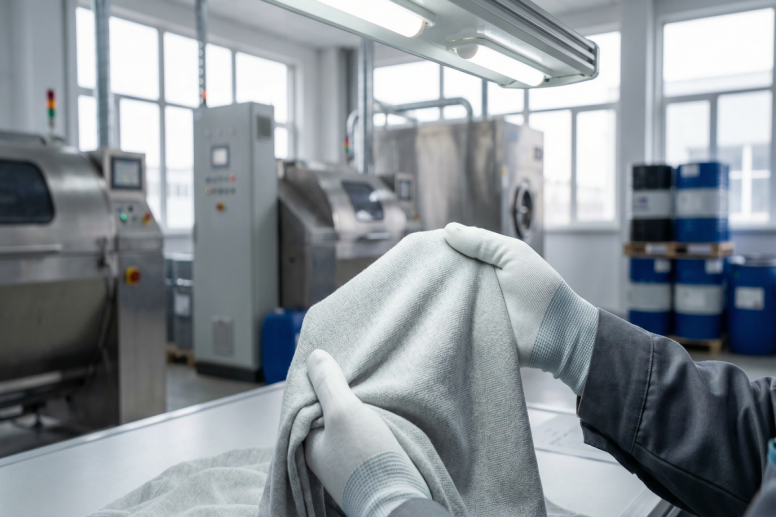
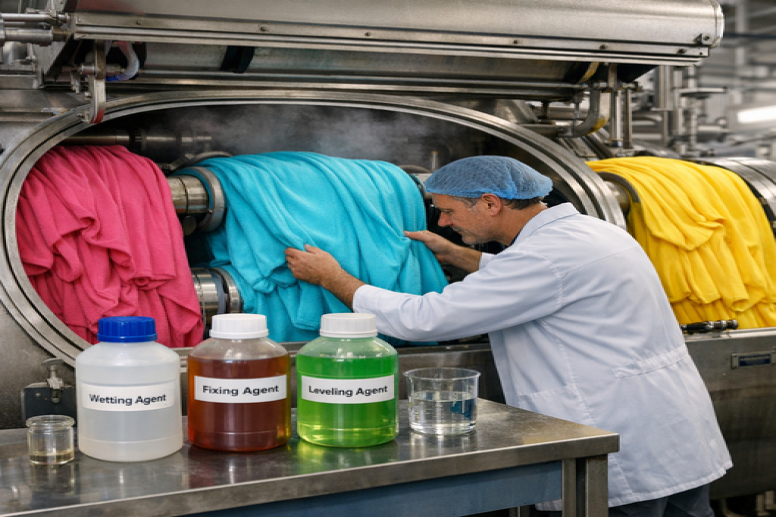
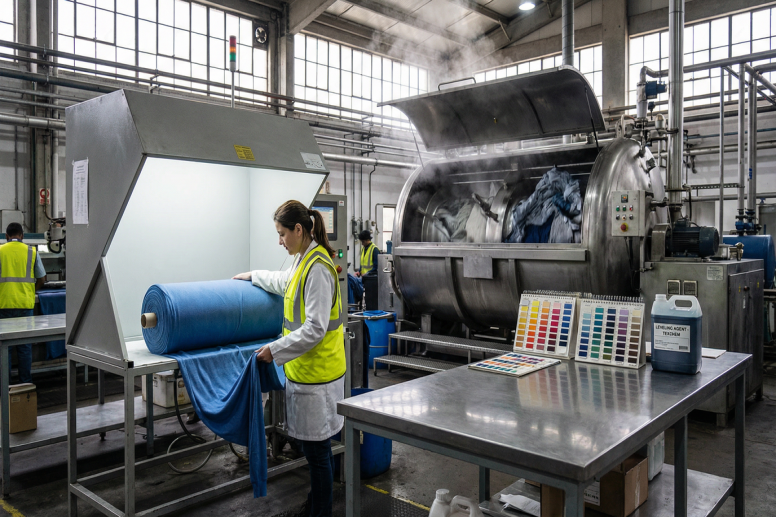
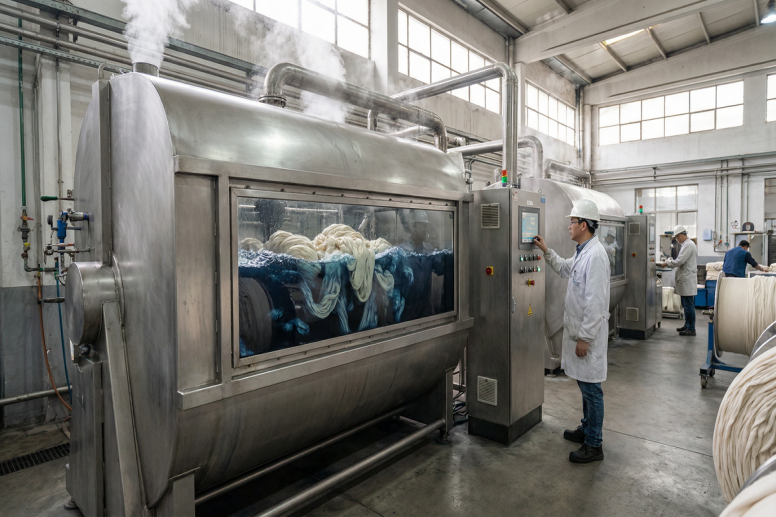
Knit fabrics move continuously inside dyeing machines during wet processing. High temperature, mechanical pressure, and fabric folding create crease marks on the fabric surface.
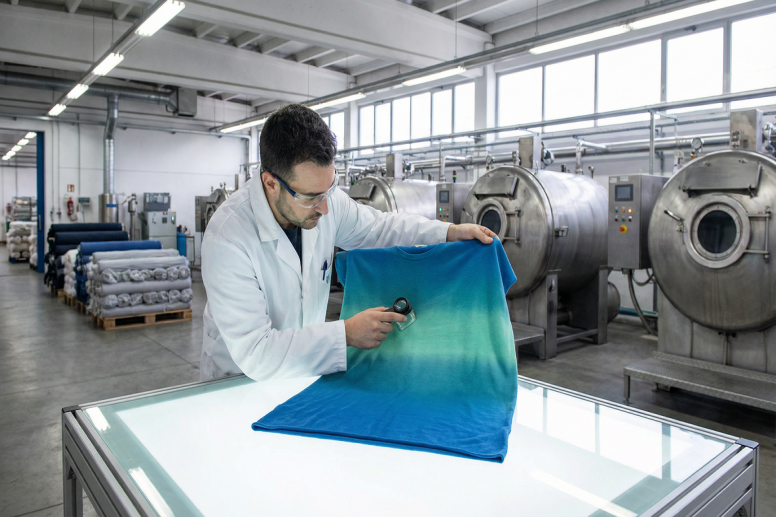
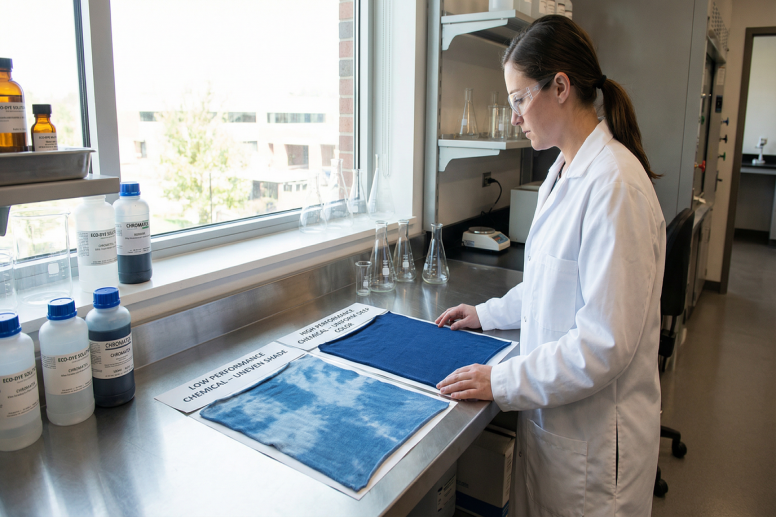
Crease marks appear as visible lines after dyeing and reduce fabric quality. Textile dyeing mills use anti creasing agents to prevent this problem during dyeing operations.
Anti creasing agents improve fabric movement and reduce friction between fabric layers inside the dyeing machine.
What Is an Anti Creasing Agent
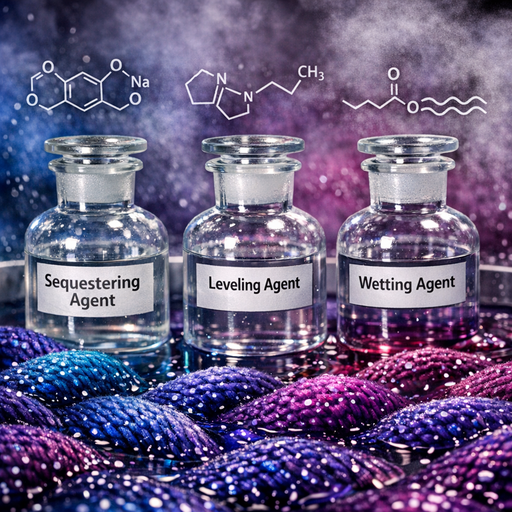
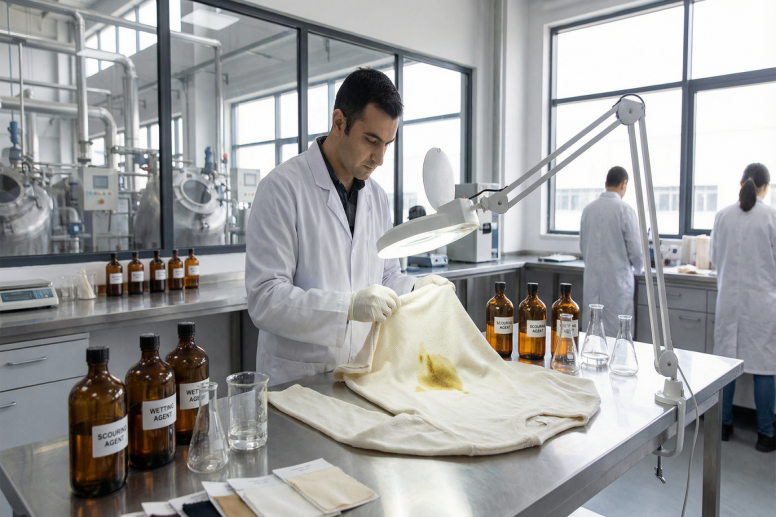
An anti creasing agent refers to a textile auxiliary designed to reduce friction between wet fabric surfaces during dyeing. The chemical creates a lubricating effect that allows smooth fabric movement inside the machine.
This lubrication prevents fabric folding and pressure marks during high temperature dyeing processes.
Anti creasing agents remain essential for knit fabrics because their flexible structure increases the risk of creasing.
Why Crease Marks Occur in Knit Dyeing
Several mechanical and chemical factors create crease marks during dyeing.
Common causes include
Fabric folding inside the dyeing machine
High fabric loading in the dyeing bath
Poor fabric lubrication during processing
High mechanical pressure during circulation
These factors produce permanent crease lines after dyeing.
Anti creasing agents reduce these risks through improved lubrication.
Functions of Anti Creasing Agents
Anti creasing agents perform several technical functions during knit dyeing.
Fabric Lubrication
The chemical forms a thin lubricating layer on the fabric surface.
Reduced Fabric Friction
Fabric layers move smoothly against each other during circulation.
Improved Fabric Movement
Smooth movement reduces fabric folding during dyeing.
Protection of Fabric Appearance
The auxiliary prevents visible crease lines after dyeing.
These functions maintain fabric quality during wet processing.
Application Stage in Knit Dyeing
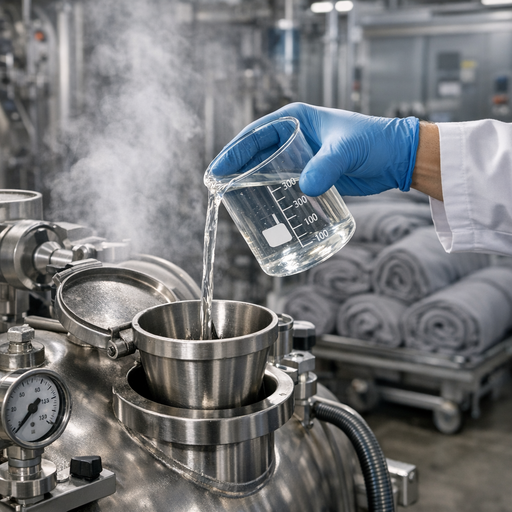
Dyeing mills add anti creasing agents during the main dyeing stage.
Typical process steps include
Fabric loading into dyeing machine
Addition of anti creasing agent in dye bath
Start of fabric circulation
Gradual temperature increase
The chemical remains active throughout the dyeing cycle.
Typical Dosage in Knit Dyeing
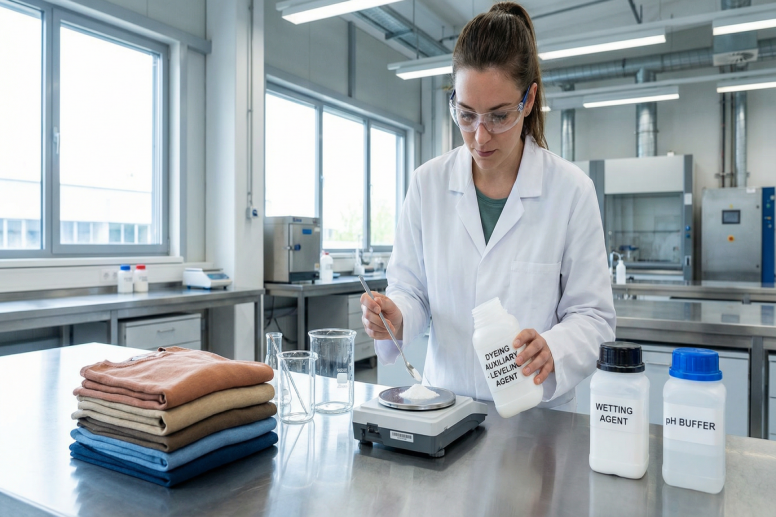
Anti creasing agent dosage varies according to machine type and fabric load.
Typical dosage range
0.5 to 1.0 g/l
Higher dosage remains necessary for heavy fabric loads or long dyeing cycles.
Correct dosage ensures smooth fabric movement inside the dyeing machine.
Benefits for Textile Dyeing Mills
Anti creasing agents improve production efficiency and fabric appearance.
Major advantages include
Prevention of crease marks
Improved fabric movement in dyeing machines
Reduced fabric damage
Consistent dyeing quality
These benefits help dyeing mills maintain stable production results.
Selection Criteria for Anti Creasing Agents
Technical teams consider several factors when selecting anti creasing agents.
Important criteria include
Strong lubricating ability
Stability at high temperature
Compatibility with dyes and auxiliaries
Low foam generation
Proper auxiliary selection improves dyeing performance.
Environmental Compliance
Textile factories supplying international brands must follow chemical safety regulations. Environmentally responsible auxiliaries support sustainable textile production.
Common compliance standards include
ZDHC chemical management
OEKO TEX certification
GOTS approval
Bluesign compliance
These standards confirm safe chemical use in textile manufacturing.
Conclusion
Anti creasing agents play an important role in knit dyeing operations. These auxiliaries reduce friction between fabric layers and prevent crease marks during high temperature dyeing. Proper chemical use improves fabric movement inside dyeing machines and protects fabric appearance.
Dyeing mills achieve stable production quality when technical teams apply correct anti creasing agents and maintain proper chemical dosage during dyeing operations.