11 Mar
Eco Friendly Textile Auxiliaries for Sustainable Knit Dyeing
Learn how eco friendly textile auxiliaries improve sustainable knit dyeing, reduce chemical pollution, and support environmental compliance in textile mills.
Eco Friendly Textile Auxiliaries for Sustainable Dyeing
Environmental regulations and global brand requirements push textile dyeing mills toward sustainable chemical management. Conventional textile auxiliaries often contain substances which increase wastewater pollution and environmental risk.
Eco friendly textile auxiliaries support sustainable dyeing operations by reducing harmful chemical discharge while maintaining dyeing efficiency.
Textile engineers play a central role in selecting sustainable chemical formulations which balance production performance and environmental responsibility.
What Are Eco Friendly Textile Auxiliaries
Eco friendly textile auxiliaries refer to chemical formulations developed with low environmental impact. These auxiliaries avoid hazardous substances and follow international chemical safety guidelines.
Typical characteristics include
high biodegradability
low toxicity
absence of restricted chemicals
compatibility with wastewater treatment systems
These chemicals support responsible textile manufacturing.
Importance in Knit Dyeing Operations
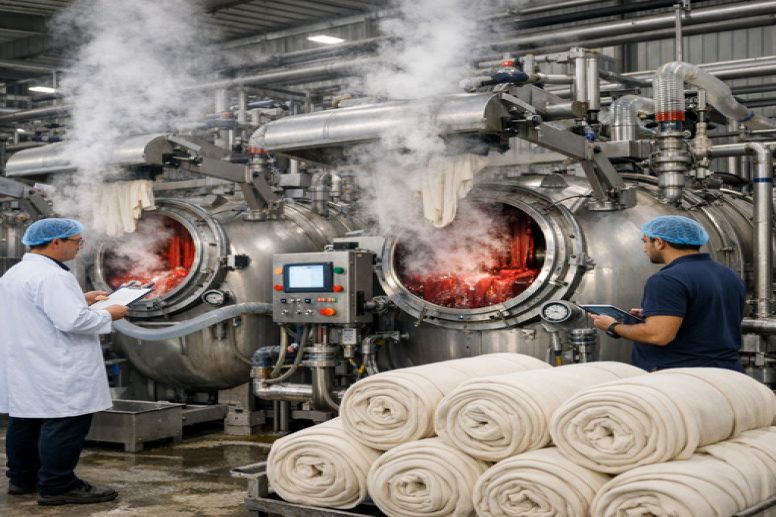
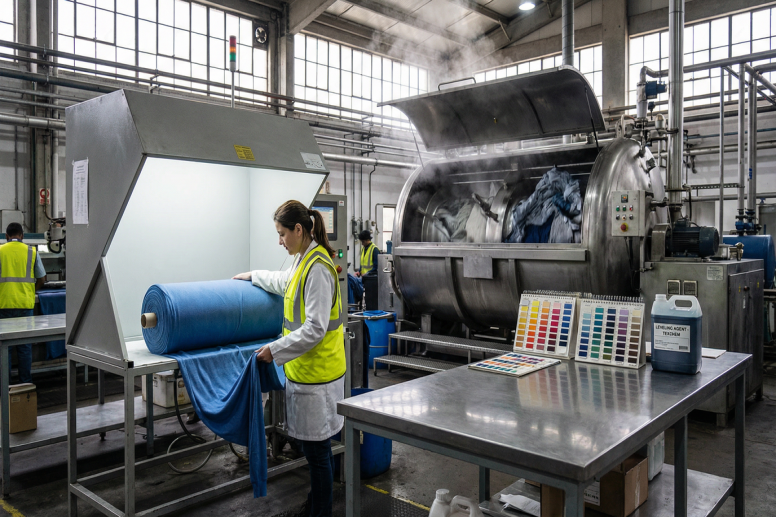
Knit dyeing processes consume large quantities of water, dyes, and auxiliaries. Without proper chemical selection, dyeing mills produce wastewater containing hazardous residues.
Eco friendly auxiliaries improve sustainability through
reduced chemical pollution
improved wastewater treatment efficiency
safer working conditions for operators
These improvements support responsible production.
Types of Eco Friendly Textile Auxiliaries
Several categories of auxiliaries contribute to sustainable textile dyeing.
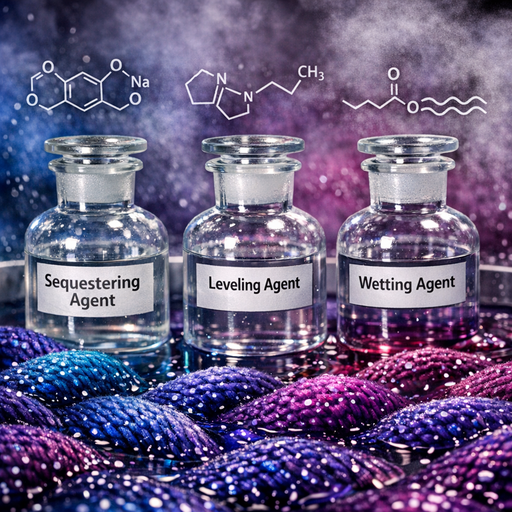
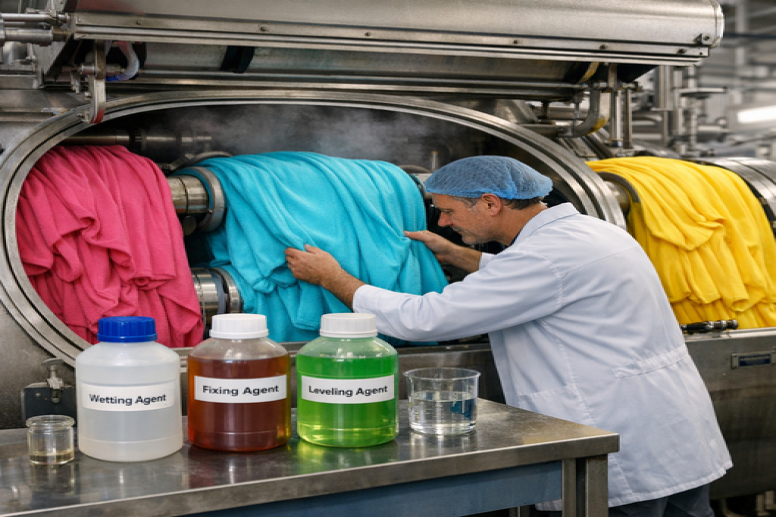
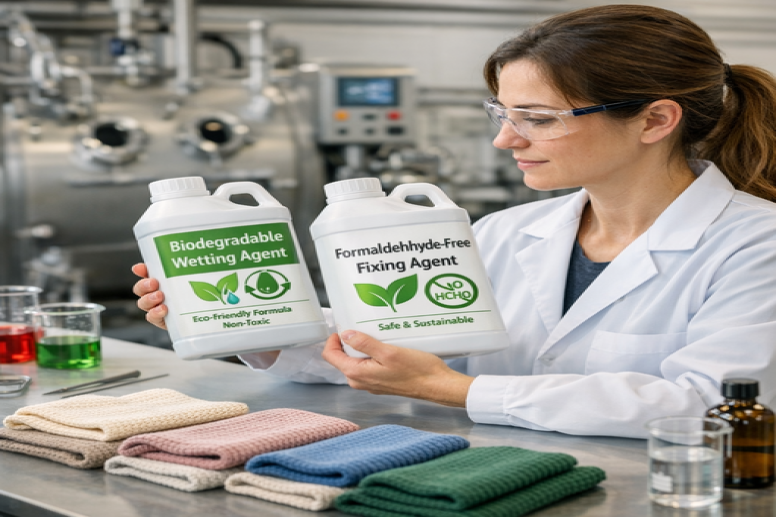
Biodegradable Wetting Agents
Modern wetting agents use biodegradable surfactants which break down easily during wastewater treatment.
These agents maintain strong wetting performance while reducing environmental impact.
Low Foam Detergents
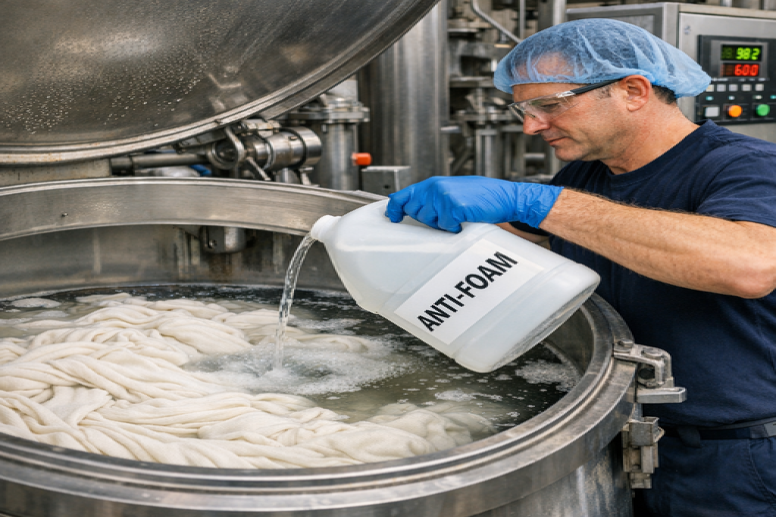
Eco friendly detergents remove impurities from cotton fabrics without generating excessive foam. Controlled foam formation reduces chemical loss and improves machine efficiency.
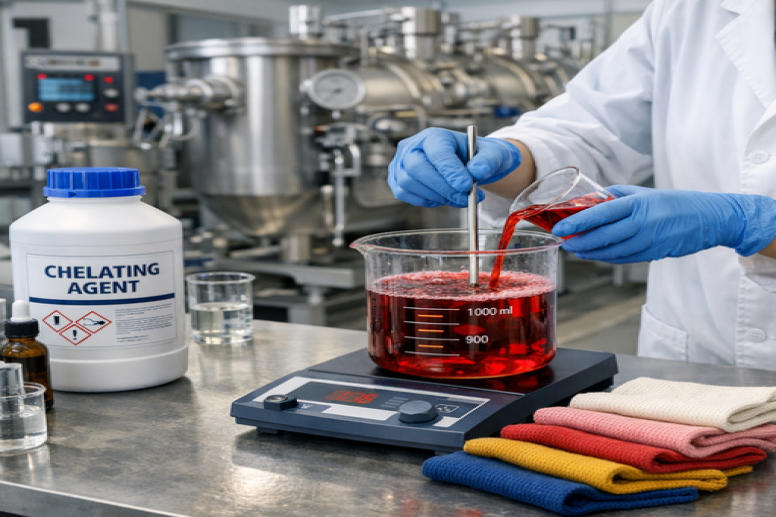
Sustainable Sequestering Agents
Green sequestering agents control metal ions without introducing persistent chemical residues into wastewater systems.
These chemicals maintain dye bath stability and protect dye performance.
Formaldehyde Free Fixing Agents
Traditional fixing agents often release formaldehyde during processing. Eco friendly alternatives provide dye fixation without releasing harmful substances.
These auxiliaries improve fabric safety and environmental compliance.
Global Sustainability Standards
Textile engineers evaluate eco friendly auxiliaries using international certification systems.
Common standards include
Zero Discharge of Hazardous Chemicals Foundation MRSL compliance
OEKO-TEX chemical safety certification
Global Organic Textile Standard environmental processing requirements
These certifications confirm chemical safety and sustainability performance.
Engineering Considerations for Chemical Selection
Selecting sustainable auxiliaries requires careful evaluation of technical and environmental performance.
Important factors include
compatibility with dyes and processing chemicals
biodegradability of chemical structure
wastewater treatment impact
stability under dyeing conditions
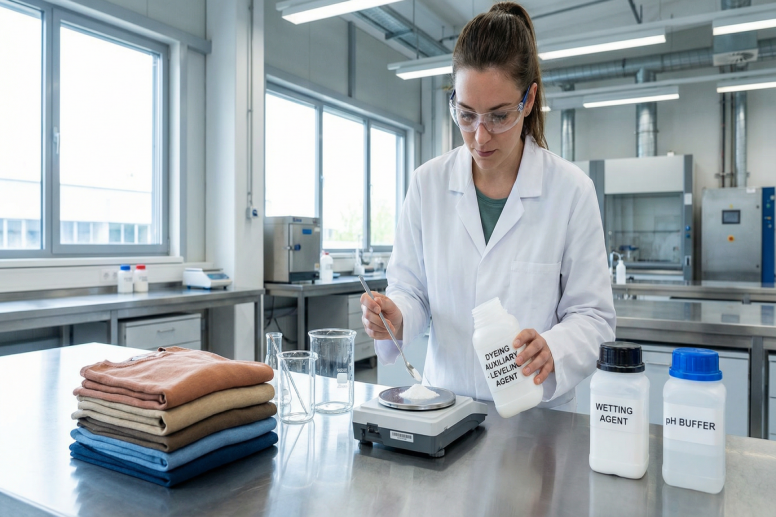
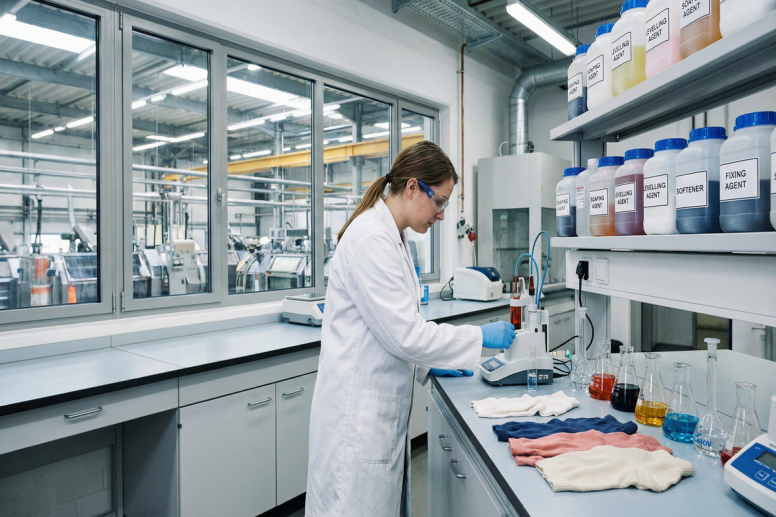
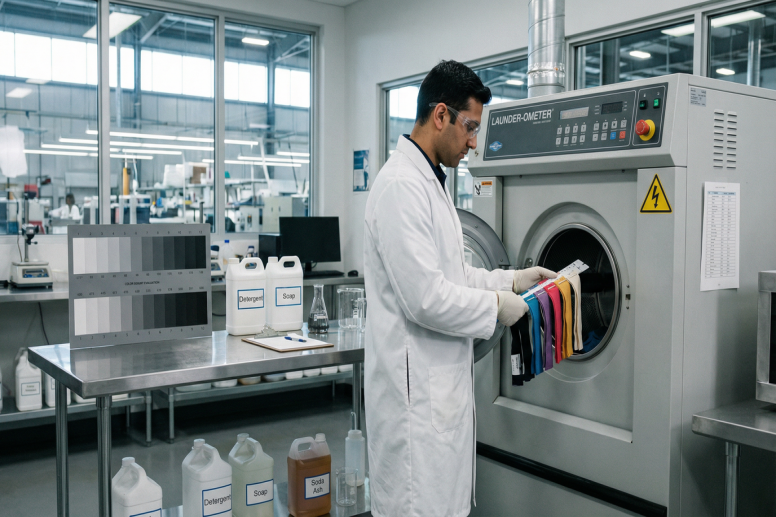
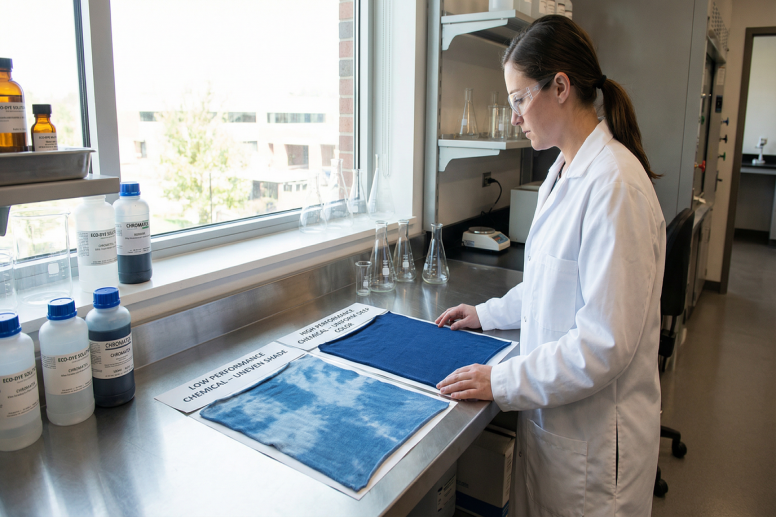
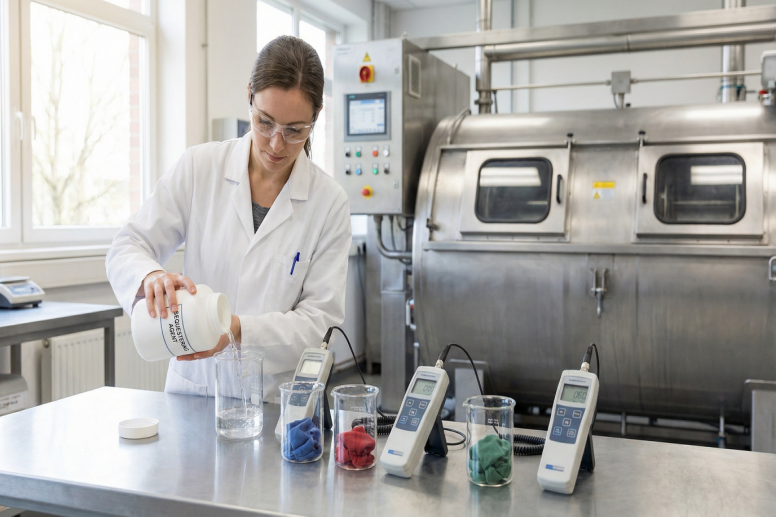
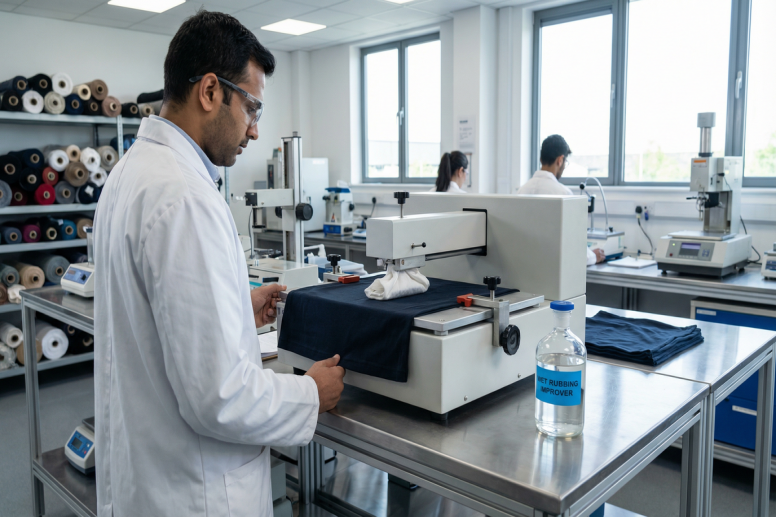
Laboratory trials help verify performance before bulk production.
Benefits for Knit Dyeing Mills
Eco friendly textile auxiliaries deliver both environmental and operational advantages.
Key benefits include
improved wastewater quality
reduced hazardous chemical discharge
easier compliance with global brand requirements
improved worker safety in chemical handling
stable dyeing performance
These advantages support sustainable textile production.
Future Direction of Textile Chemical Technology
The textile industry continues to develop greener chemical technologies. Chemical manufacturers invest in advanced formulations which reduce environmental impact without sacrificing dyeing performance.
New developments include
bio based surfactants
enzyme based auxiliaries
low temperature processing chemicals
These innovations support long term sustainability goals.
Conclusion
Eco friendly textile auxiliaries support sustainable knit dyeing by reducing environmental impact and improving chemical safety. Textile engineers who select biodegradable and compliant auxiliaries strengthen both production efficiency and environmental responsibility.
Adoption of sustainable chemicals remains a critical step toward responsible textile manufacturing and long term industry sustainability.