10 Mar
How to Remove Oil Stain in Knit Dyeing Process, Causes and Chemical Solutions
Learn the causes of oil stains in knit dyeing and chemical solutions used by textile dyeing mills to remove oil contamination and prevent dyeing defects.
Oil Stain in Knit Dyeing
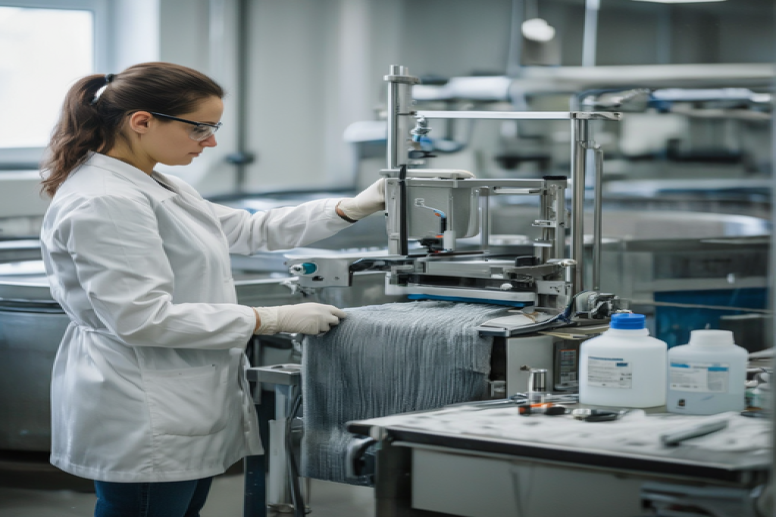
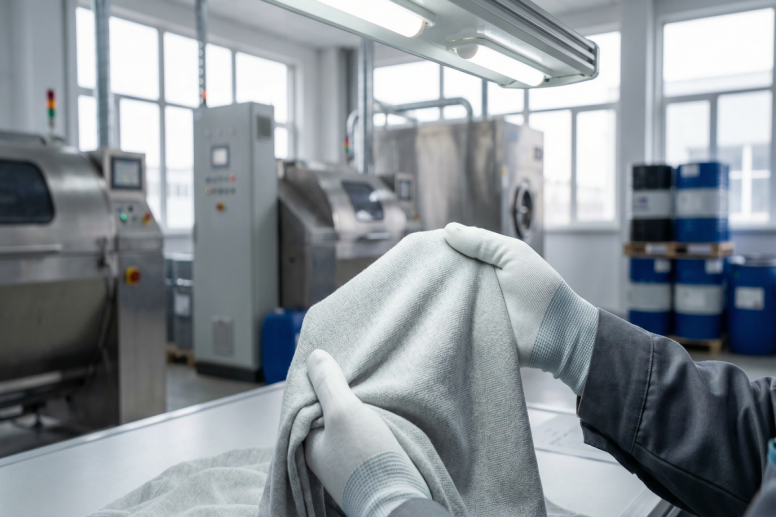
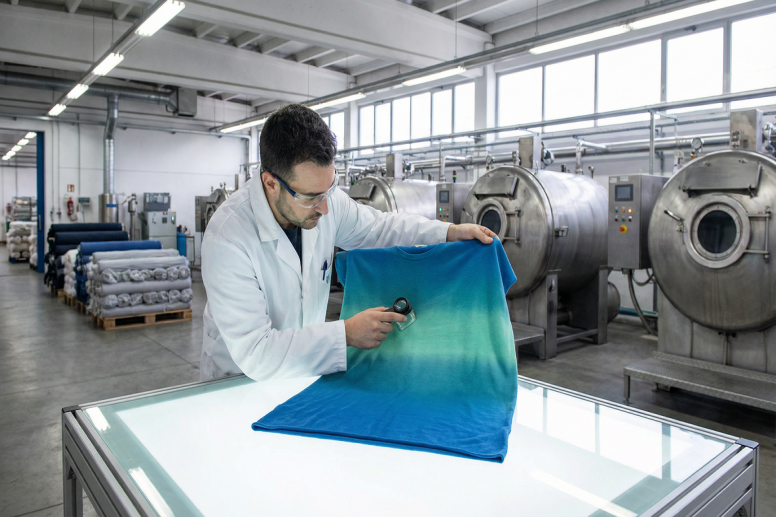
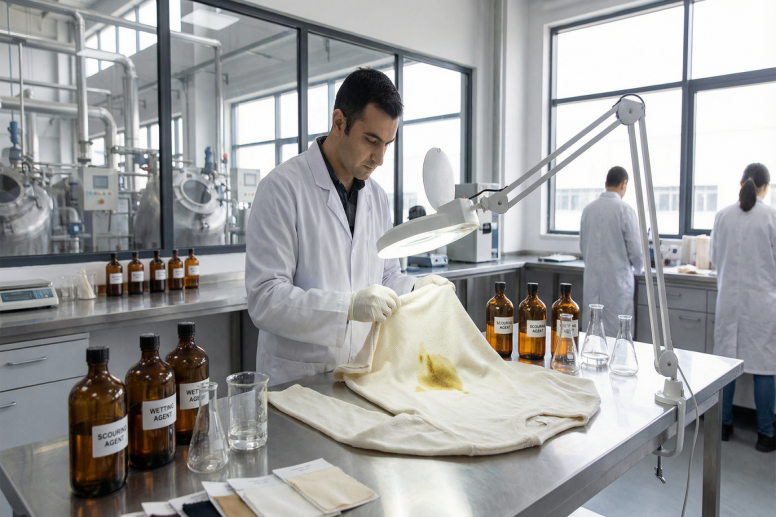
Oil stains appear frequently in knit fabric processing. These stains develop due to knitting machine lubricants, fabric handling contamination, or improper pretreatment. Oil spots prevent uniform dye penetration and create visible defects after dyeing.
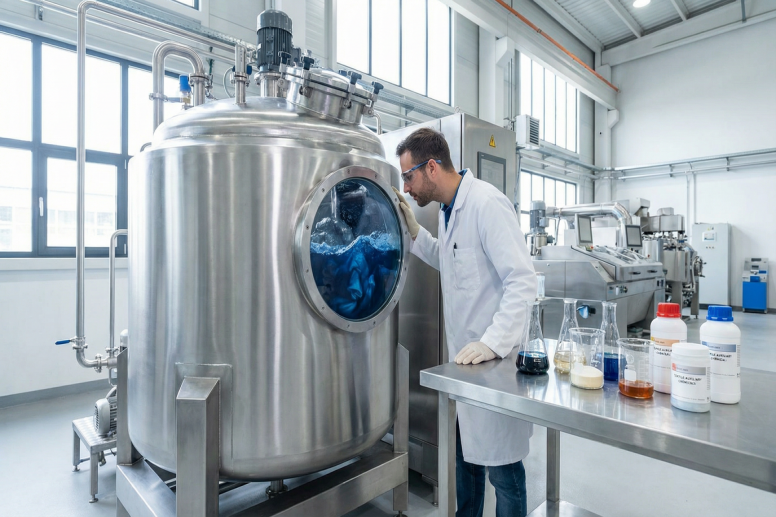
Knit dyeing factories must remove oil stains before the dyeing stage. Proper pretreatment and suitable textile auxiliaries help eliminate oil contamination and prepare fabric for uniform dye absorption.
Effective oil removal improves fabric quality and prevents dyeing defects.
What Causes Oil Stains in Knit Fabric
Oil contamination occurs at different stages of textile production.
Knitting Machine Lubricants
Knitting machines require lubricating oils for smooth mechanical operation. These oils sometimes transfer to the fabric surface during knitting.
Fabric Storage and Handling
Improper fabric storage allows oil contamination from machines, packaging materials, or factory environment.
Incomplete Pretreatment
Insufficient scouring fails to remove oils and wax present on cotton fibers.
These factors lead to oil stains which become visible after dyeing.
Problems Caused by Oil Stains
Oil stains create several production issues during dyeing.
Common problems include
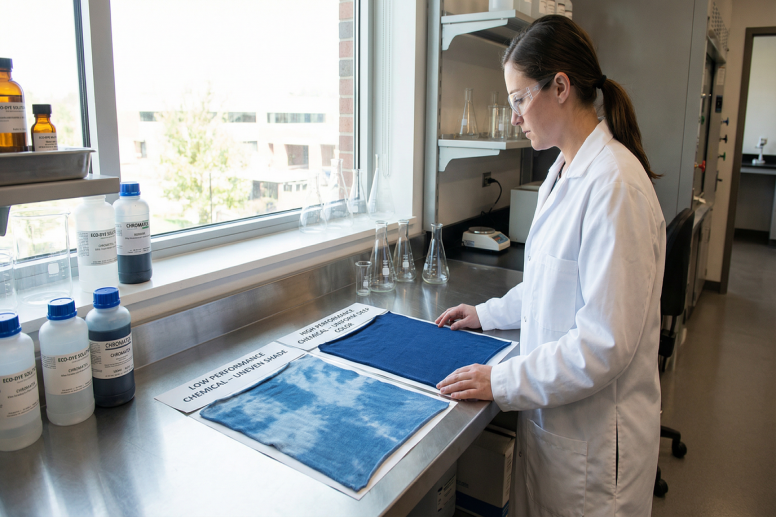
Patchy dyeing
Shade variation
Poor dye penetration
Fabric rejection during inspection
These defects reduce production efficiency and increase processing cost.
Chemical Solutions for Oil Stain Removal
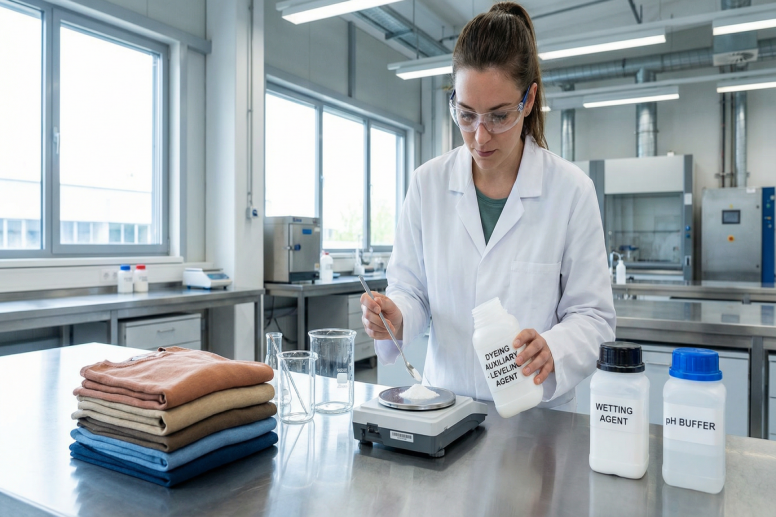
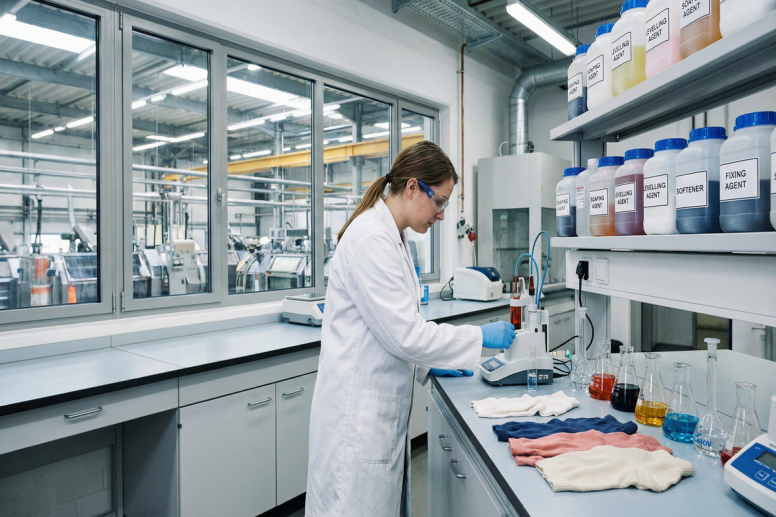
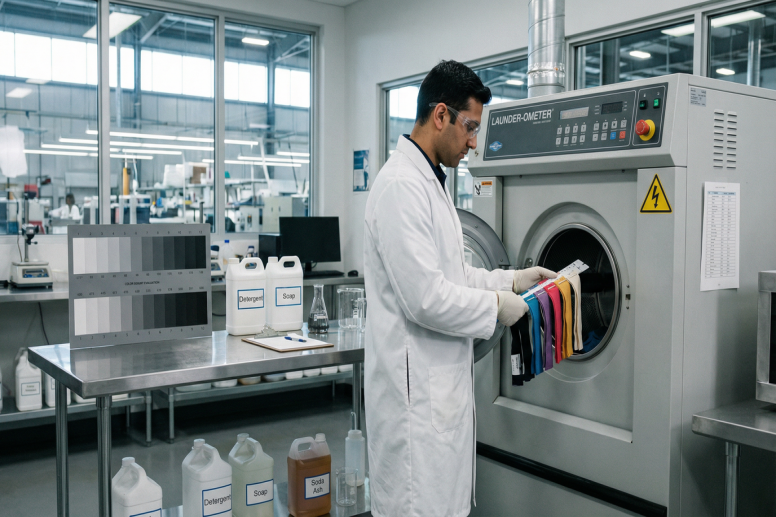
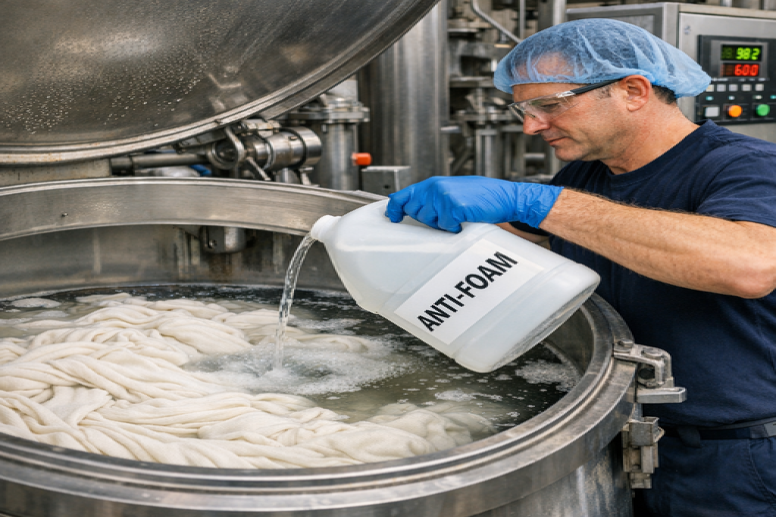
Textile dyeing mills use several auxiliaries during pretreatment to remove oil contamination.
Scouring Detergents
Scouring detergents dissolve oils, wax, and grease from the fabric surface.
Benefits
Effective oil removal
Improved fabric absorbency
Clean fiber surface
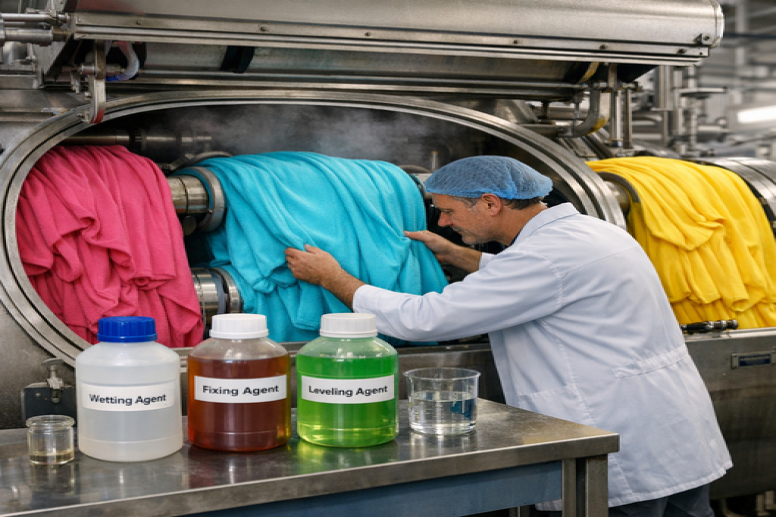
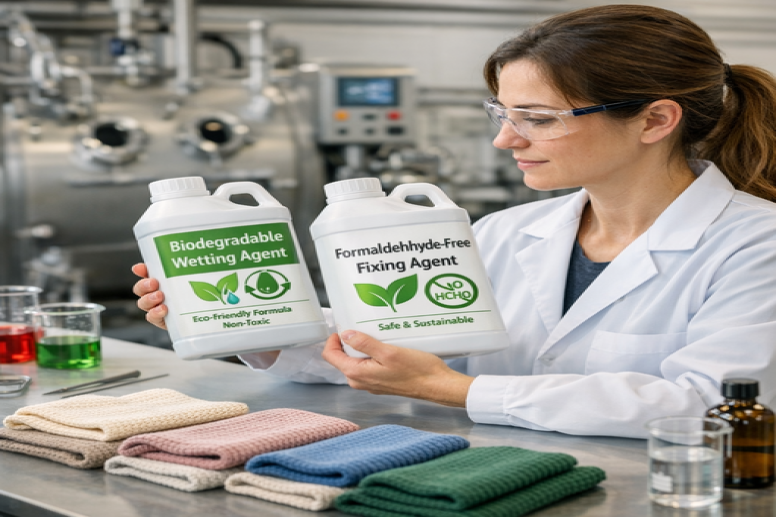
Wetting Agents
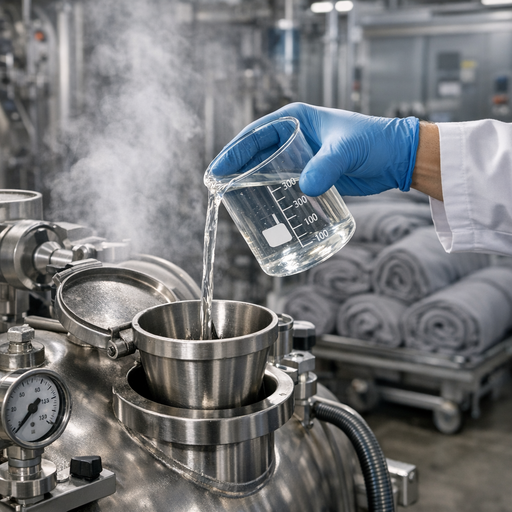
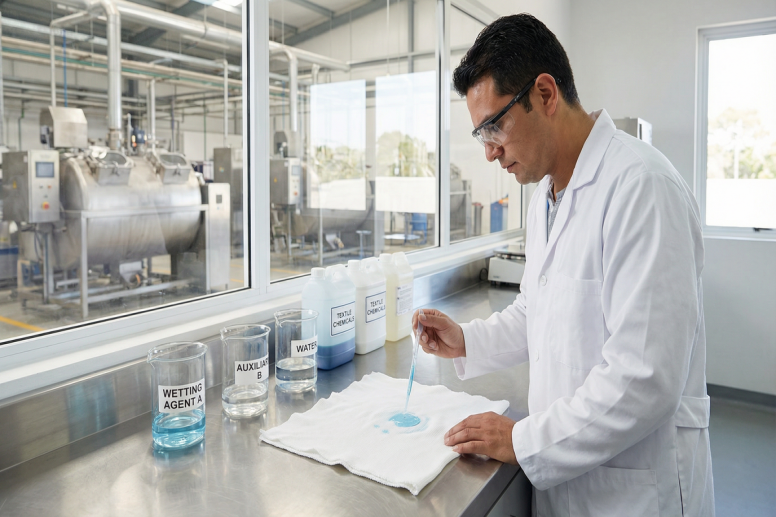
Wetting agents improve chemical penetration into fabric structure during scouring.
Benefits
Faster chemical absorption
Improved oil removal efficiency
Uniform pretreatment results
Oil Removing Agents
Special oil removing auxiliaries break down heavy lubricant stains during pretreatment.
Benefits
Removal of stubborn oil spots
Improved dye penetration
Reduced fabric defects
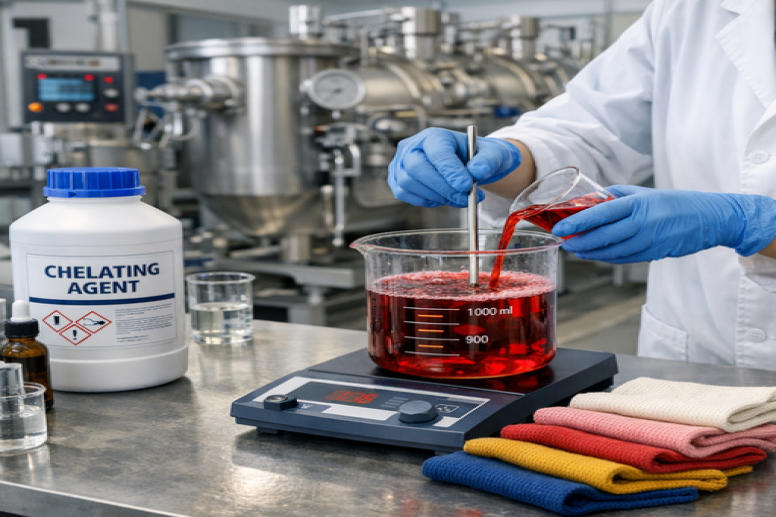
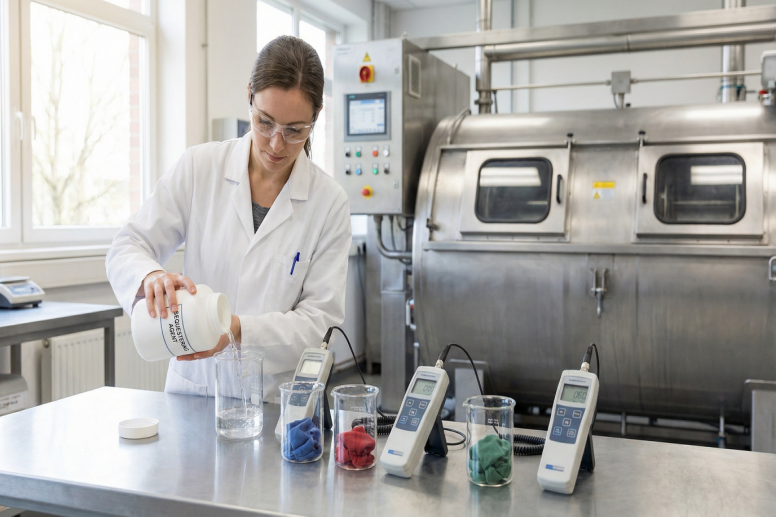
Sequestering Agents
Sequestering agents control metal ions present in process water.
Benefits
Stable scouring bath condition
Improved chemical efficiency
Recommended Pretreatment Process
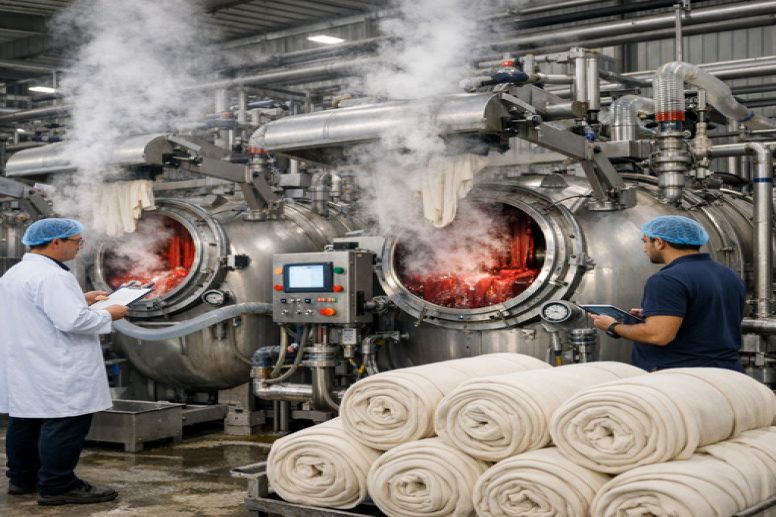
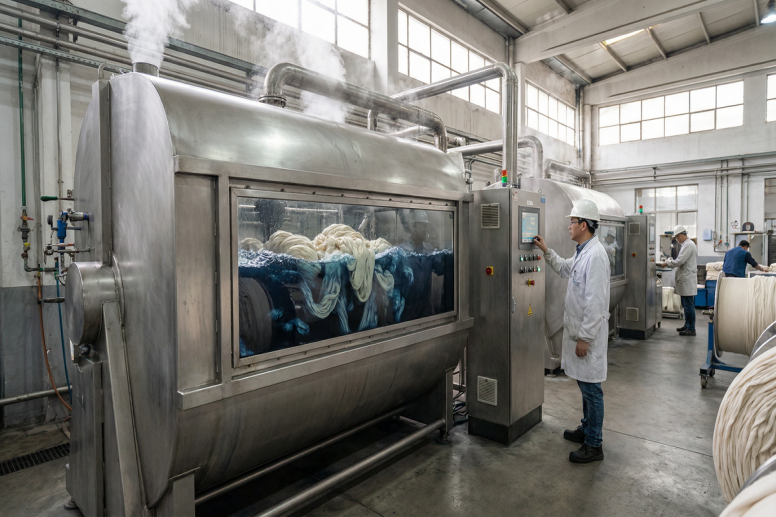
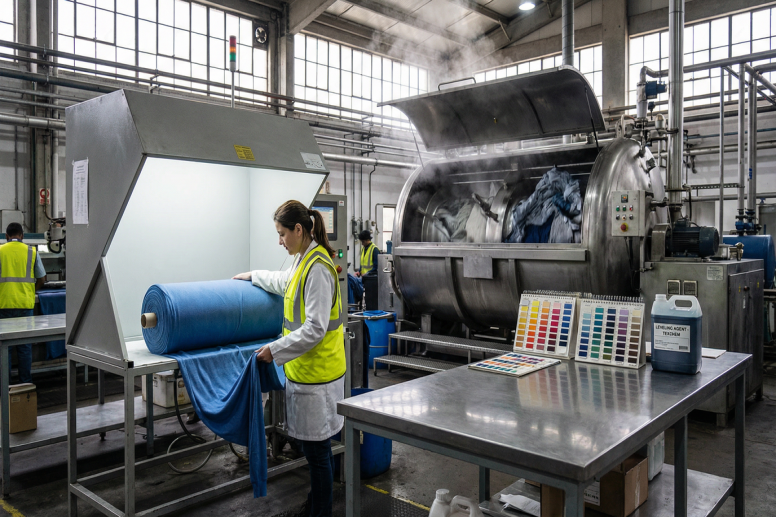
Dyeing mills follow a structured pretreatment process to remove oil stains.
Typical process steps include
Fabric loading into dyeing machine
Addition of wetting agent and detergent
Addition of alkali such as caustic soda
Heating process at high temperature
Thorough washing after scouring
This process removes oils and prepares fabric for dyeing.
Prevention of Oil Stains in Knit Processing
Textile factories adopt preventive practices to reduce oil contamination.
Important prevention methods include
Regular maintenance of knitting machines
Use of clean lubricating oils
Proper fabric storage conditions
Strong pretreatment process control
These practices reduce oil contamination and maintain stable dyeing quality.
Impact on Textile Production
Oil stains influence production efficiency and fabric quality.
Negative effects include
Increased reprocessing cost
Production delays
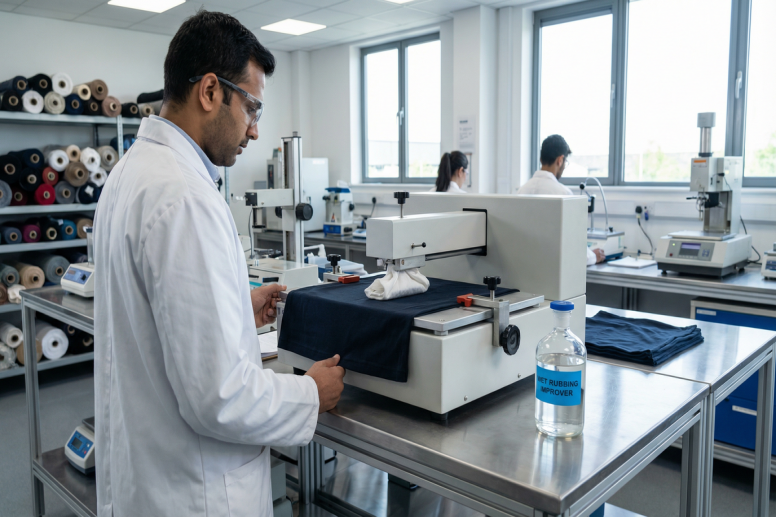
Fabric rejection during quality inspection
Reduced customer satisfaction
Early detection and proper chemical treatment help avoid these losses.
Conclusion
Oil stains remain a common problem in knit fabric dyeing operations. Contamination from knitting machines, improper handling, and incomplete pretreatment leads to oil spots on fabric. Proper scouring chemicals, wetting agents, and oil removing auxiliaries help eliminate these stains before dyeing.
Dyeing mills maintain consistent fabric quality when technical teams apply effective pretreatment processes and control chemical dosage during oil removal treatment.