09 Mar
Leveling Agent in Knit Dyeing, Function, Benefits, and Dosage in Reactive Dyeing
Learn how leveling agents work in knit dyeing. Understand their role in reactive dyeing, dosage, benefits, and how they prevent uneven dyeing in textile mills.
Leveling Agent in Knit Dyeing
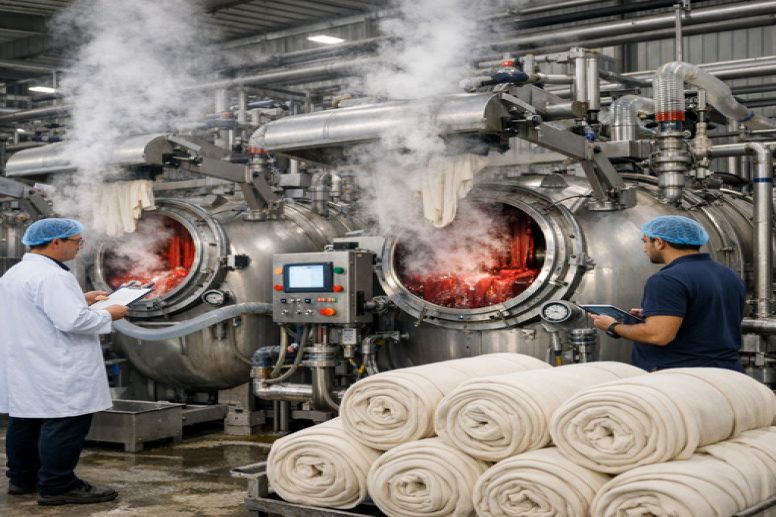
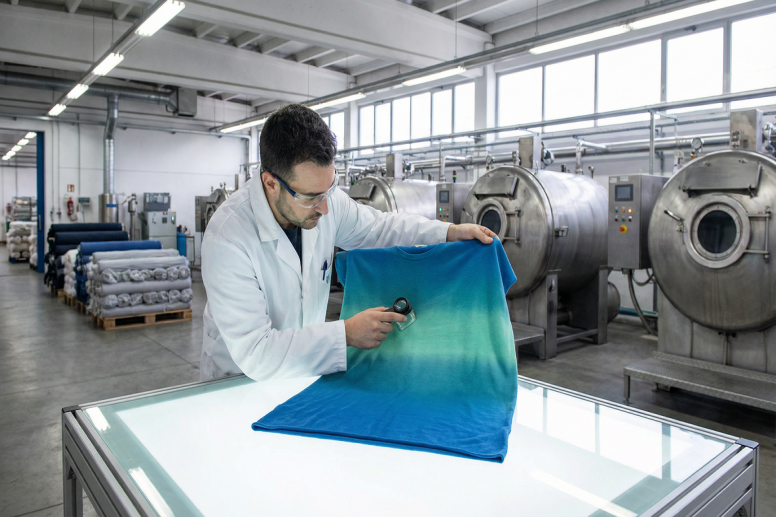
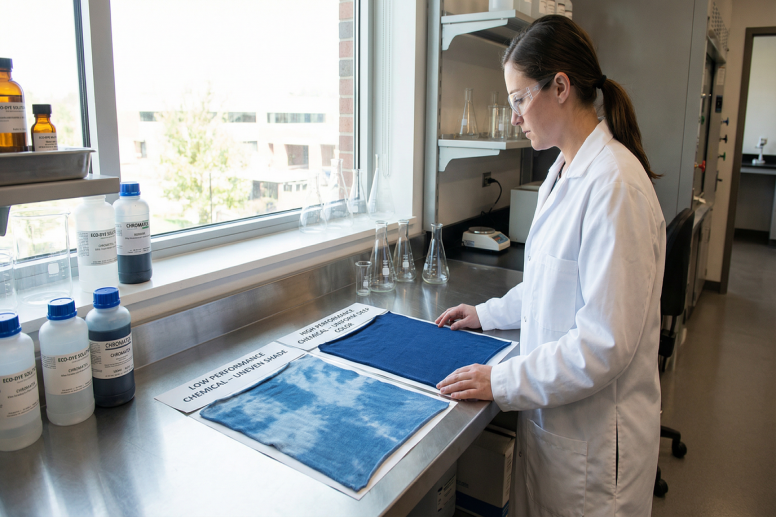
Uniform color remains a key requirement in knit fabric dyeing. Cotton knit fabrics absorb reactive dyes quickly. Rapid dye absorption often produces uneven shade across the fabric surface.
Leveling agents control dye absorption speed and support balanced dye migration during the dyeing process. These auxiliaries play an important role in reactive dyeing of cotton knit fabrics.
Dyeing mills use leveling agents to maintain shade consistency and prevent common dyeing defects.
What Is a Leveling Agent
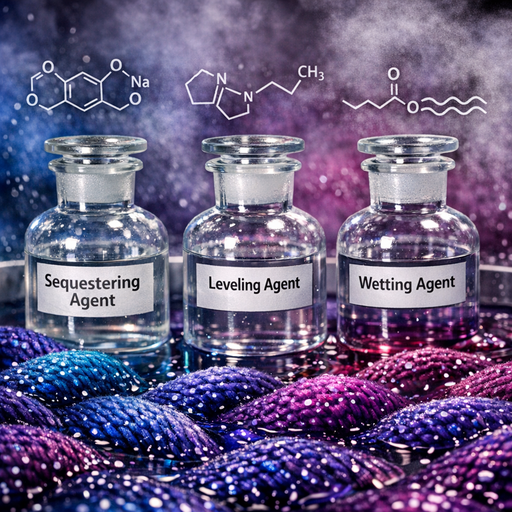
A leveling agent refers to a textile auxiliary designed to control dye uptake during dyeing. The chemical slows the initial dye absorption and allows dyes to migrate across the fabric before fixation.
This controlled dye movement produces uniform color distribution on the fabric surface.
Leveling agents remain essential in reactive dyeing where dyes show strong affinity toward cotton fiber.
Why Leveling Agents Are Important in Knit Dyeing
Cotton fibers absorb reactive dyes rapidly. Without proper control, dye molecules attach quickly to the fiber surface.
This rapid reaction produces several dyeing problems.
Common issues include
Shade variation
Patchy dyeing
Dye streaks
Uneven color distribution
Leveling agents prevent these problems by regulating dye migration.
Functions of Leveling Agents
Leveling agents perform several technical functions during dyeing operations.
Control of Dye Absorption
The auxiliary slows dye uptake and allows even dye distribution.
Improved Dye Migration
Dyes move across the fabric surface before forming permanent bonds with fibers.
Shade Uniformity
Balanced dye distribution produces consistent shade throughout the fabric.
Reduction of Dye Spots
Controlled dye movement prevents localized dye concentration.
These functions support stable dyeing performance.
Application Stage in Knit Dyeing
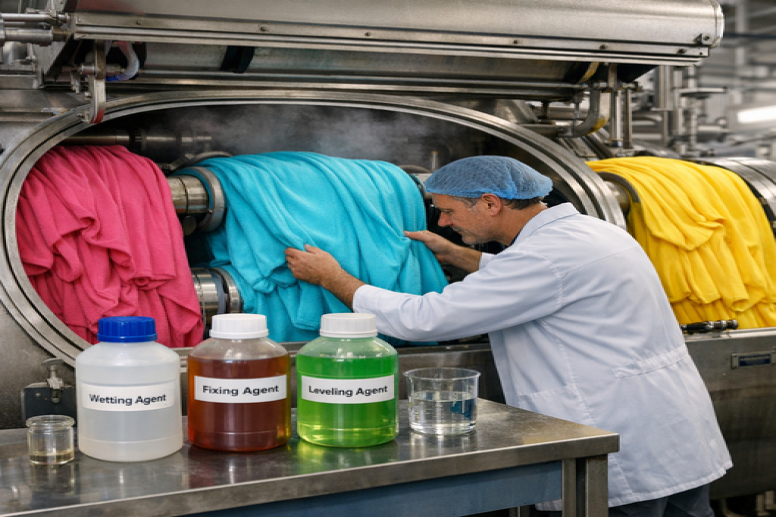
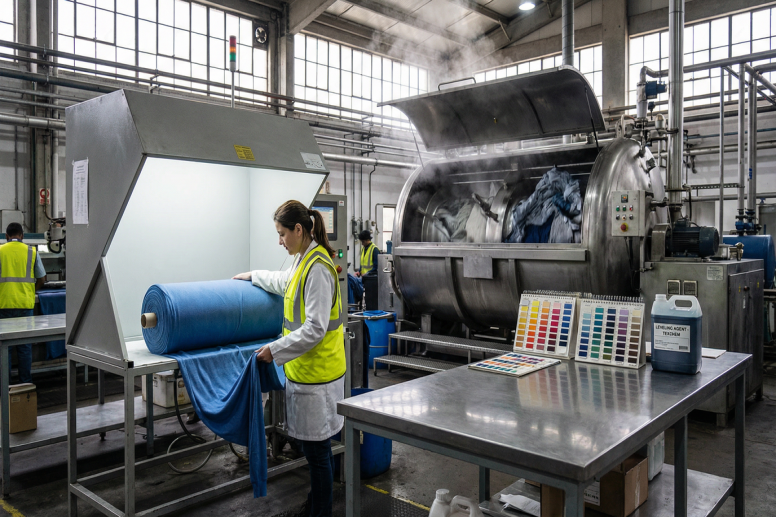
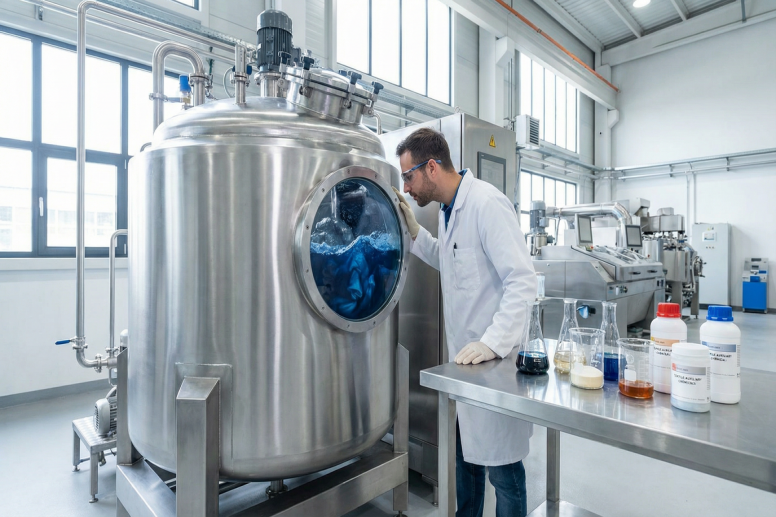
Dyeing mills add leveling agents during the main dyeing stage.
Typical application process includes
Fabric loading into dyeing machine
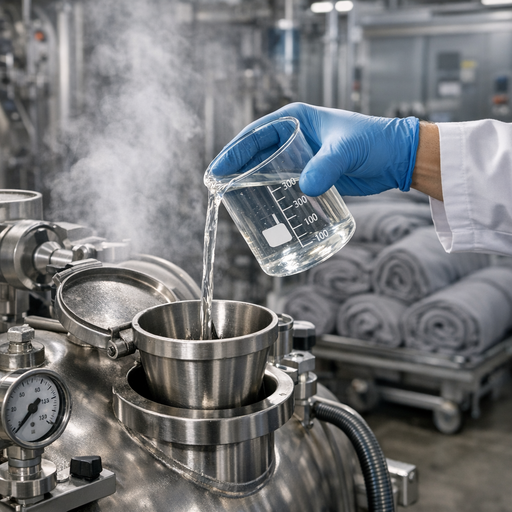
Addition of leveling agent in dye bath
Gradual addition of reactive dyes
Controlled temperature increase
This sequence allows dyes to distribute evenly before fixation.
Typical Dosage of Leveling Agents
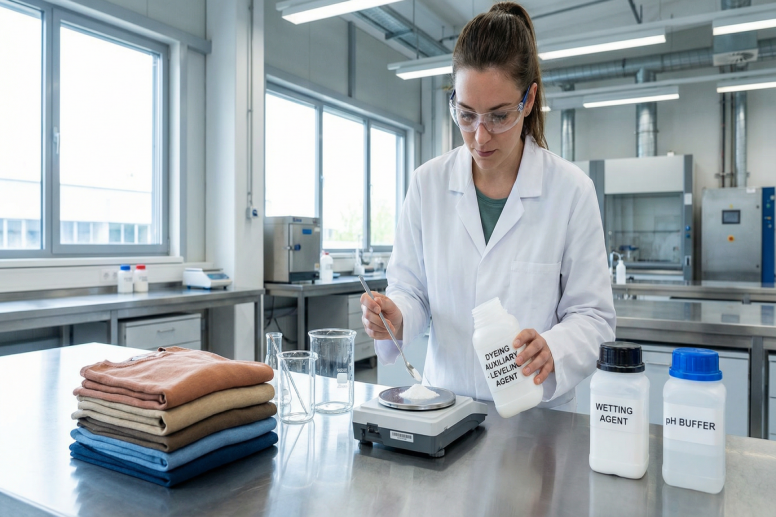
Leveling agent dosage depends on fabric type, dye class, and machine conditions.
Typical dosage range
0.5 to 1.5 g/l
Dyeing mills adjust dosage according to shade depth and dyeing process requirements.
Correct dosing improves dye uniformity and reduces shade variation.
Benefits for Dyeing Mills
Leveling agents improve production efficiency and fabric quality.
Major advantages include
Uniform dye distribution
Reduced shade variation
Lower reprocessing cost
Improved production reliability
These benefits help dyeing mills maintain consistent quality standards.
Selection Criteria for Leveling Agents
Technical teams consider several factors before selecting leveling agents.
Important criteria include
Compatibility with reactive dyes
Stability at high temperature
Low foam generation
Environmental compliance
Proper chemical selection improves dyeing performance and reduces production defects.
Environmental and Certification Requirements
Global textile buyers require safe chemical use in textile production. Dyeing mills must follow chemical compliance standards.
Common certifications required for textile auxiliaries include
ZDHC approved chemicals
OEKO TEX certification
GOTS standard
Bluesign approval
These certifications confirm chemical safety and environmental responsibility.
Conclusion
Leveling agents remain essential auxiliaries in knit dyeing operations. These chemicals regulate dye absorption and support balanced dye migration during reactive dyeing. Proper leveling agent use improves shade uniformity, reduces dyeing defects, and increases production efficiency.
Dyeing mills achieve stable color results when technical teams maintain proper chemical dosage and process control throughout the dyeing cycle.