09 Mar
Wetting Agent in Knit Dyeing, Function, Benefits, and Dosage in Cotton Pretreatment
Learn the role of wetting agents in knit dyeing. Understand how these textile auxiliaries improve fabric absorbency and support efficient pretreatment in textile mills.
Wetting Agent in Knit Dyeing
Cotton knit fabric contains natural wax, oils, and impurities. These substances reduce water absorption during textile processing. Poor absorbency prevents uniform chemical penetration during pretreatment and dyeing.
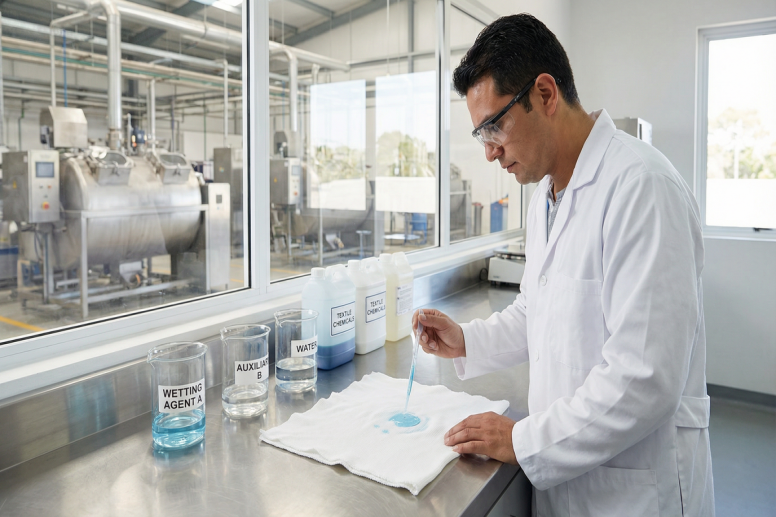
Wetting agents solve this problem. These textile auxiliaries reduce water surface tension and allow quick penetration of water and chemicals into the fabric structure.
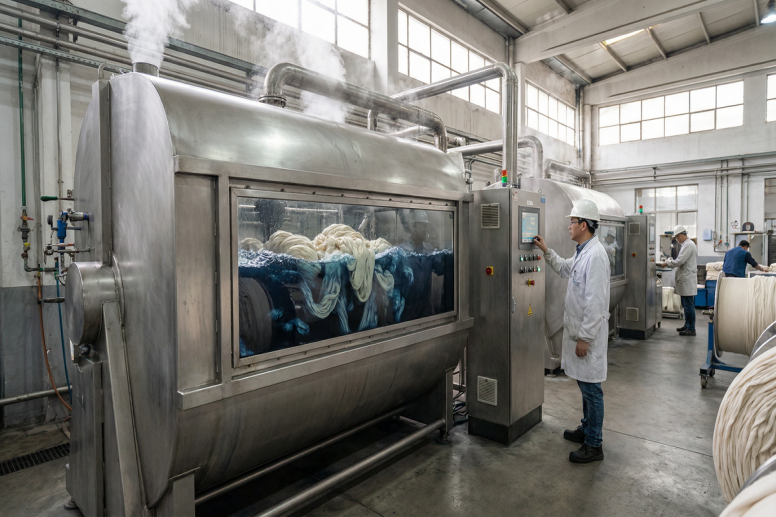
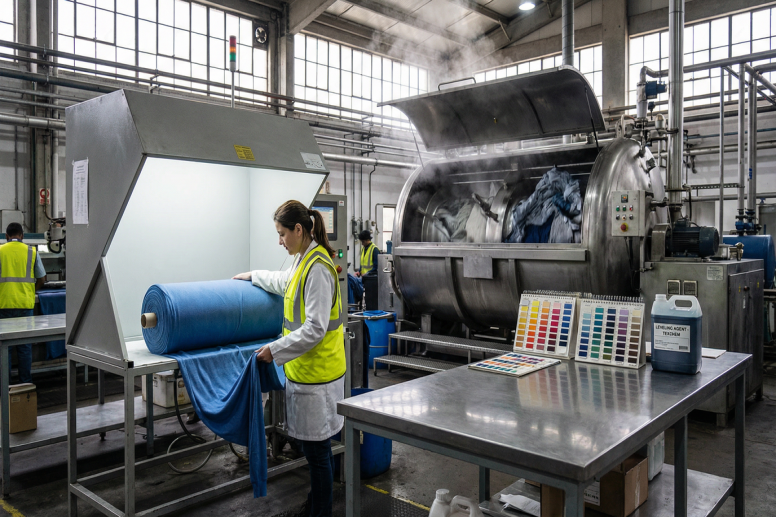
Knit dyeing mills rely on wetting agents during pretreatment stages to achieve efficient scouring, bleaching, and dyeing performance.
What Is a Wetting Agent
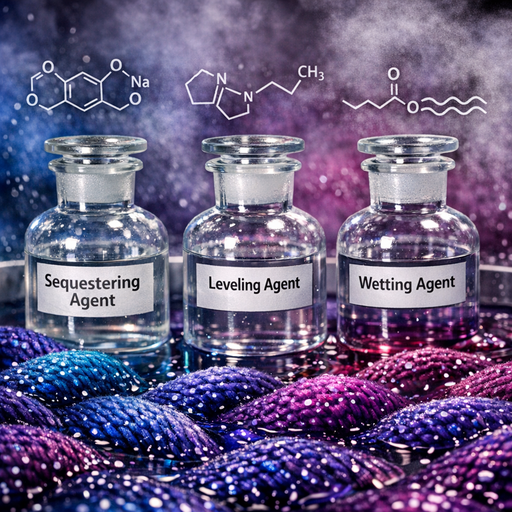
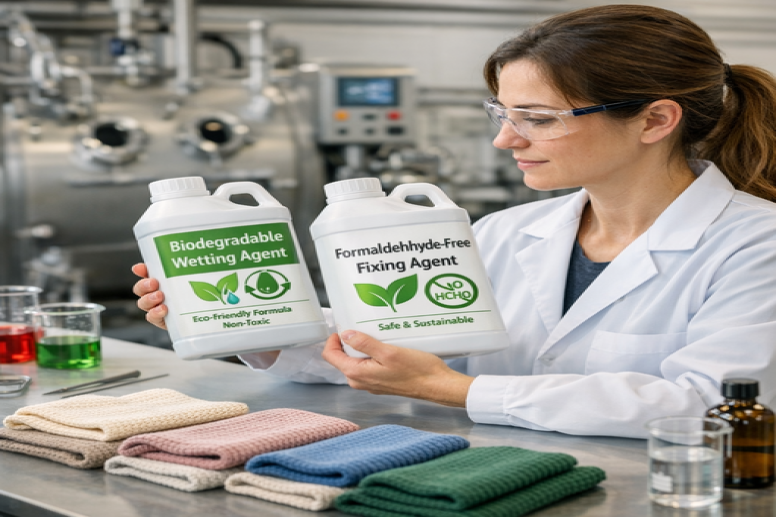
A wetting agent refers to a surfactant chemical designed to improve liquid penetration into solid materials. In textile processing, this chemical helps water spread across the fiber surface and enter the fabric structure.
Cotton fibers resist water absorption due to natural wax layers. Wetting agents break this resistance and allow the dye bath to penetrate the fabric quickly.
This function improves efficiency in textile wet processing.
Importance of Wetting Agents in Knit Dyeing
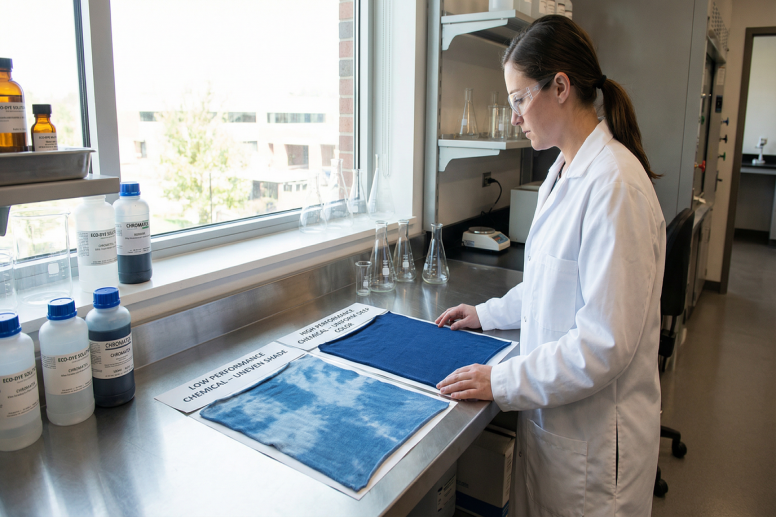
Uniform chemical penetration remains essential for successful dyeing. When fabric absorbs chemicals unevenly, dyeing defects appear.
Common problems caused by poor wetting include
Uneven dyeing
Patchy shades
Poor chemical absorption
Incomplete scouring
Wetting agents improve fabric absorbency and reduce these processing issues.
Functions of Wetting Agents
Wetting agents perform several important functions during textile processing.
Reduction of Surface Tension
The chemical lowers water surface tension and improves spreading across the fabric surface.
Improved Fabric Absorbency
Water penetrates quickly into cotton fiber structure.
Faster Chemical Penetration
Pretreatment chemicals reach the inner fiber structure more efficiently.
Uniform Dyeing Preparation
Even wetting prepares the fabric for balanced dye absorption.
These functions improve overall dyeing performance.
Application Stages in Knit Processing
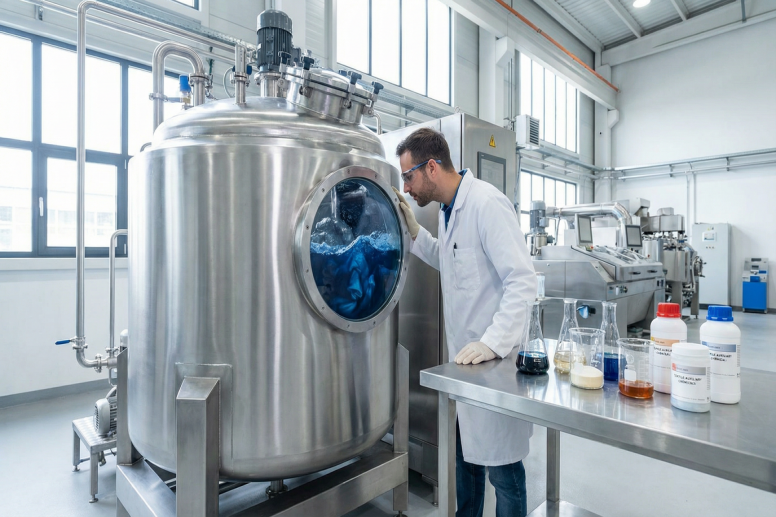
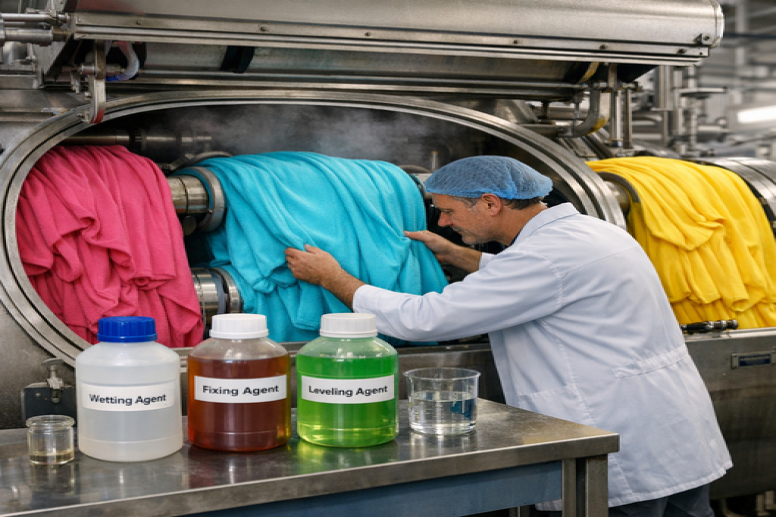
Dyeing mills apply wetting agents during several pretreatment stages.
Scouring Process
Wetting agents help scouring chemicals remove oils, wax, and impurities from cotton fibers.
Bleaching Process
Improved liquid penetration allows bleaching chemicals to act evenly on the fabric surface.
Dyeing Preparation
Uniform wetting supports balanced dye penetration during dyeing.
These stages depend on proper chemical dosage.
Typical Dosage in Knit Dyeing
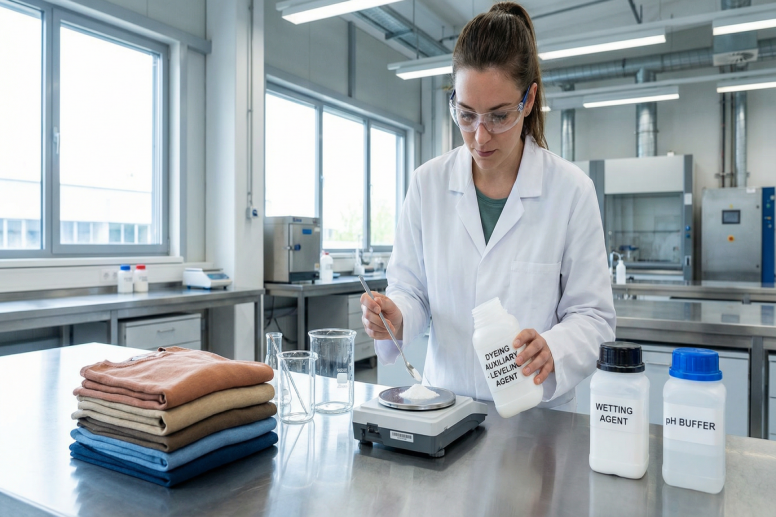
Wetting agent dosage varies depending on machine conditions and fabric type.
Typical dosage range
0.5 to 2.0 g/l
Higher dosage remains necessary for fabrics with heavy oil contamination or high wax content.
Technical teams determine dosage through laboratory testing and process experience.
Benefits for Textile Dyeing Mills
Use of wetting agents provides several operational benefits.
Key advantages include
Improved fabric absorbency
Faster pretreatment process
Uniform chemical distribution
Reduced dyeing defects
These benefits improve production efficiency and fabric quality.
Selection Criteria for Wetting Agents
Dyeing mills evaluate several factors before selecting wetting agents.
Important criteria include
Strong wetting ability
Stability at high temperature
Low foam generation
Compatibility with other auxiliaries
Proper auxiliary selection improves performance during high temperature textile processing.
Environmental and Compliance Standards
Textile factories exporting garments must follow chemical compliance requirements. Many international brands demand environmentally safe chemicals.
Common certification standards include
ZDHC compliance
OEKO TEX certification
GOTS approval
Bluesign chemical standard
Use of certified wetting agents supports sustainable textile production.
Conclusion
Wetting agents remain essential auxiliaries in knit dyeing operations. These chemicals improve water penetration and ensure uniform chemical distribution during pretreatment stages. Proper wetting agent use improves fabric absorbency, reduces dyeing defects, and supports stable textile processing.
Dyeing mills achieve consistent results when technical teams maintain correct wetting agent dosage and process control during knit fabric processing.