10 Mar
How to Improve Color Yield in Knit Dyeing, Tips and Chemical Solutions
Learn how to improve color yield in knit dyeing using wetting agents, sequestering agents, fixing agents, and leveling agents for uniform, vibrant fabrics.
How to Improve Color Yield in Knit Dyeing
High color yield is essential for producing vibrant, uniform knit fabrics. Low color yield results in pale shades, inconsistent dyeing, and higher production costs due to additional dye consumption.
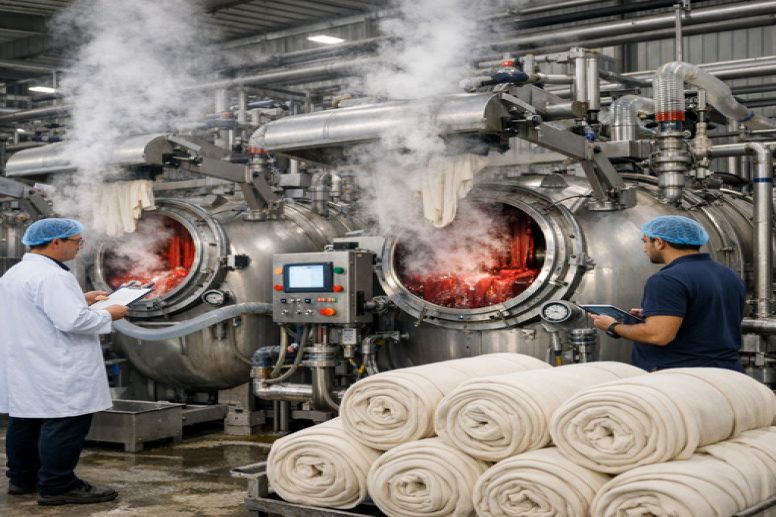
Textile dyeing mills use a combination of process optimization and chemical auxiliaries to improve color yield. Correct chemical selection, proper dyeing parameters, and controlled water quality enhance dye absorption and fixation.
What Is Color Yield in Knit Dyeing
Color yield refers to the amount of dye absorbed by fibers relative to the total dye applied. High color yield indicates efficient dye uptake, resulting in stronger and more uniform fabric color.
Reactive dyes on cotton knit fabrics require precise control of pH, salt concentration, and dye bath conditions to maximize yield.
Causes of Low Color Yield
Several factors reduce dye absorption during knit dyeing:
Poor Fiber Wetting
Insufficient wetting prevents uniform contact of dye with cotton fibers.
Low Dye Fixation
Incomplete chemical bonding between reactive dyes and fibers leaves hydrolyzed dye in the bath.
Hard Water and Metal Ions
Calcium and magnesium ions interfere with dye absorption and reduce color yield.
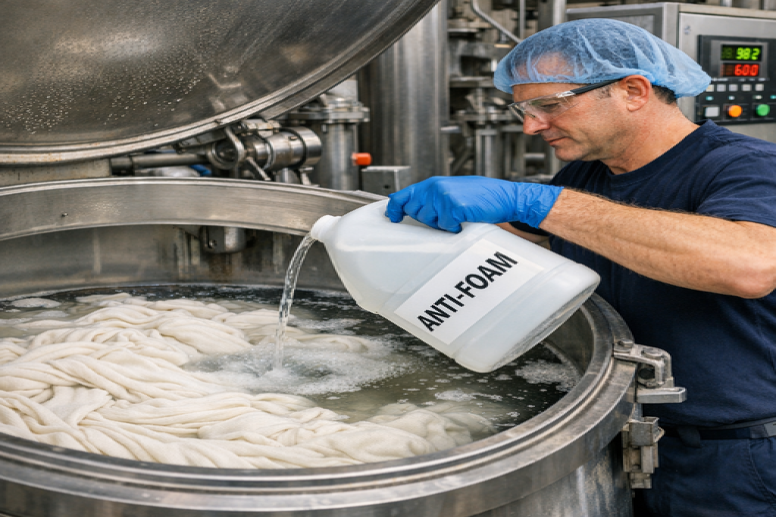
Excessive Foam
Foam formation traps dye and prevents uniform distribution across fabric surfaces.
Improper Process Parameters
Incorrect temperature, pH, or alkali addition reduces dye uptake efficiency.
Chemical Solutions to Improve Color Yield
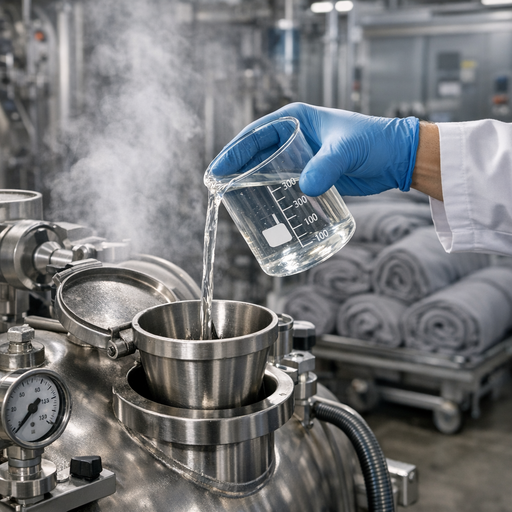
Textile auxiliaries help maximize dye absorption and fixation.
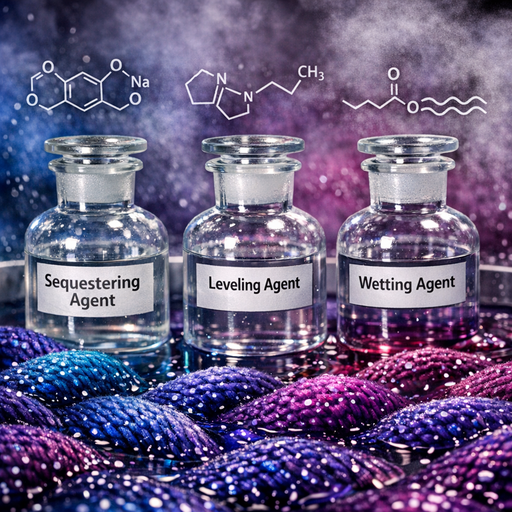
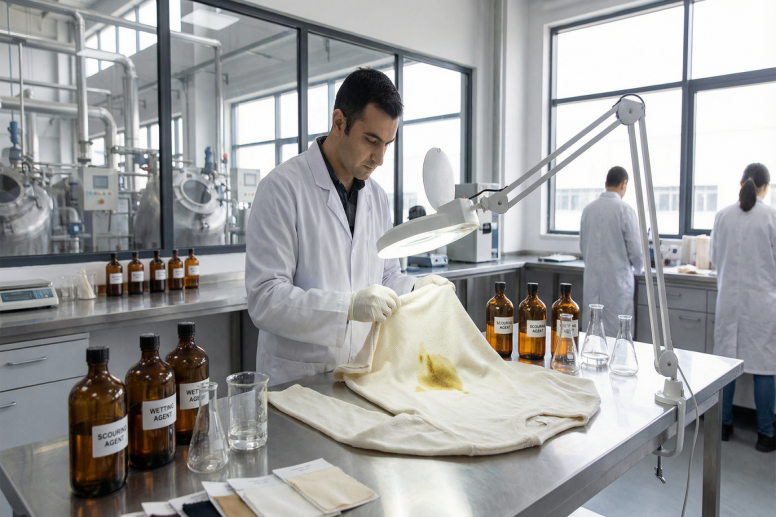
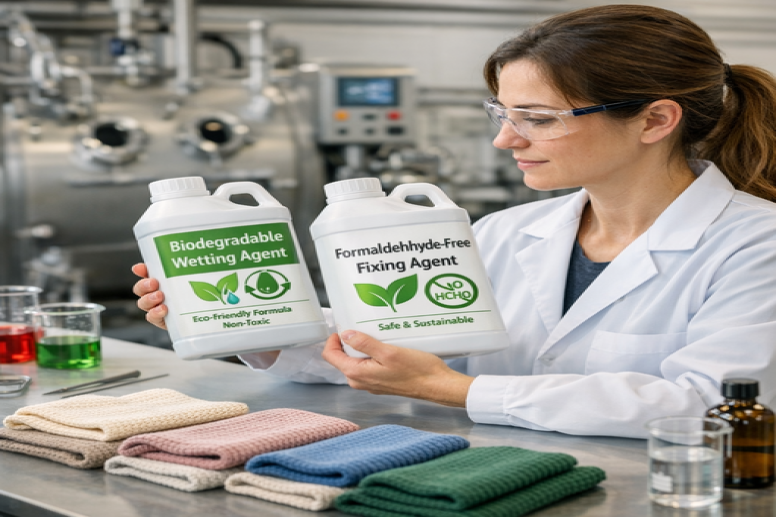
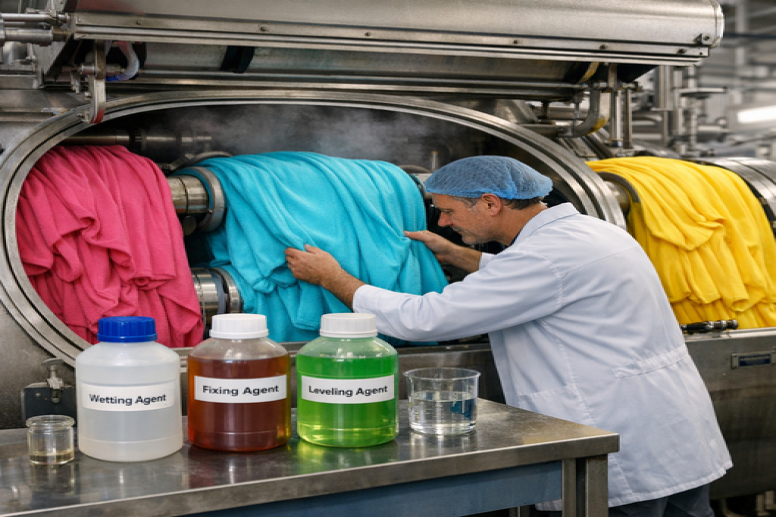
Wetting Agents
Enhance water penetration and fiber wettability to allow better dye contact.
Benefits:
Improved dye uniformity
Increased color intensity
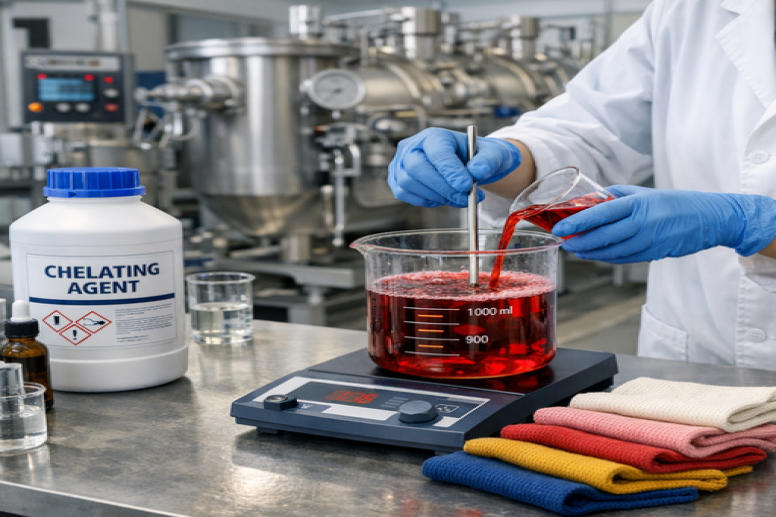
Sequestering Agents
Bind metal ions in water and prevent interference with reactive dyes.
Benefits:
Stable dye bath
Higher dye absorption efficiency
Fixing Agents
Form a protective layer around attached dye molecules, reducing hydrolysis and loss.
Benefits:
Improved color fastness
Increased effective color yield
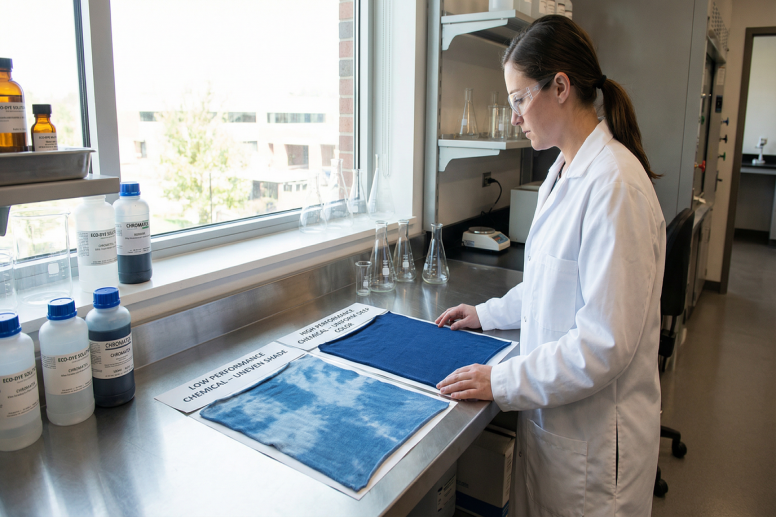
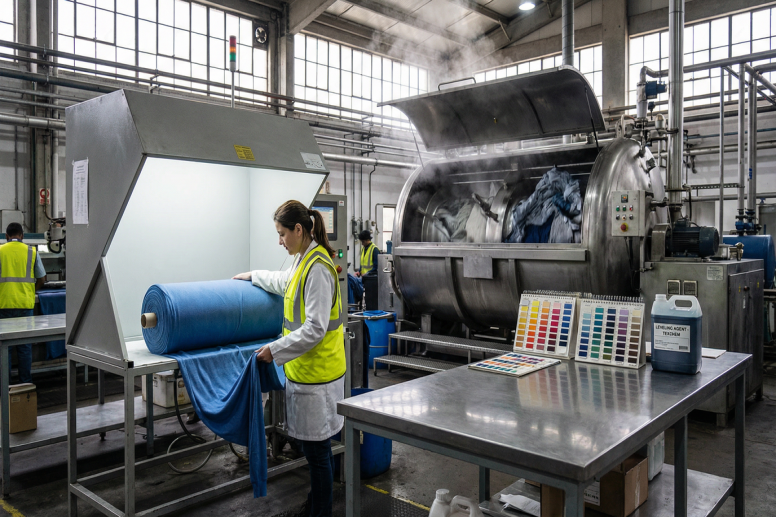
Leveling Agents
Control dye migration and allow uniform penetration before fixation.
Benefits:
Even color distribution
Reduced patchy areas
Process Optimization Tips
Chemical use should be paired with correct process control:
Maintain optimal dye bath temperature and pH
Use proper salt and alkali dosage
Control fabric loading and circulation inside machines
Avoid over-foaming in dye bath
Conduct pre-lab trials for dyeing shade reproducibility
Proper process management maximizes color yield and reduces wastage.
Typical Dosage of Auxiliaries
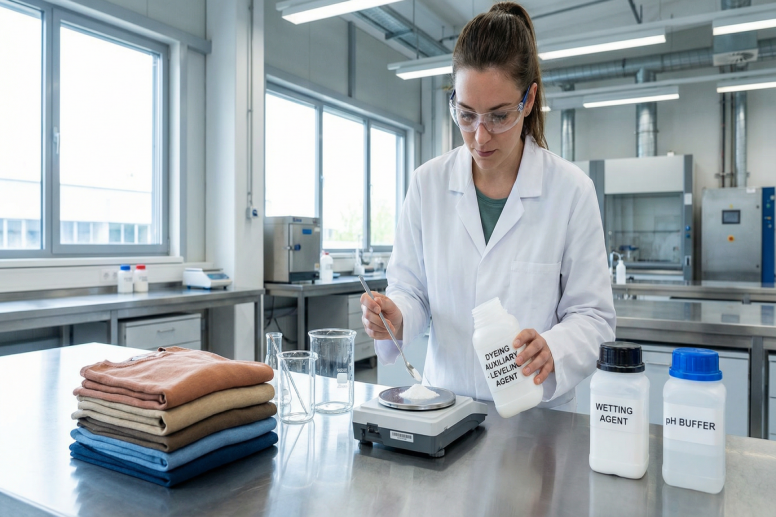
Chemical dosage varies depending on fabric type, dye class, and process conditions.
Wetting agents: 0.3–1.0 g/l
Sequestering agents: 0.5–2.0 g/l
Fixing agents: 1.0–2.0 g/l
Leveling agents: 0.5–1.5 g/l
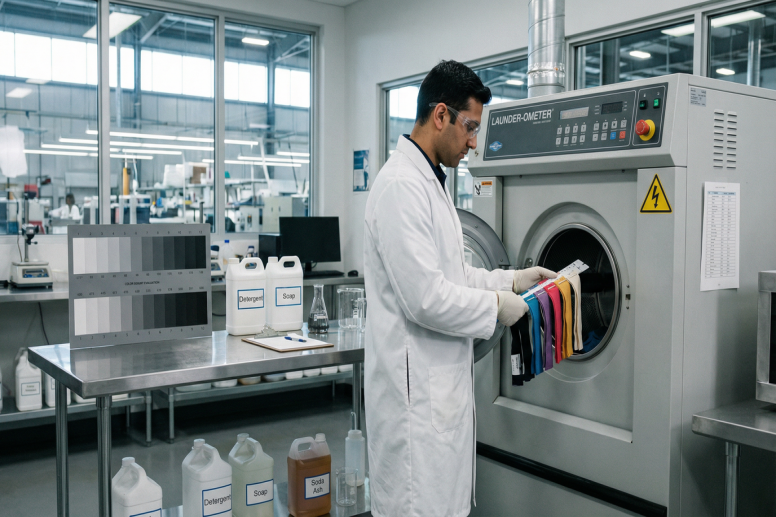
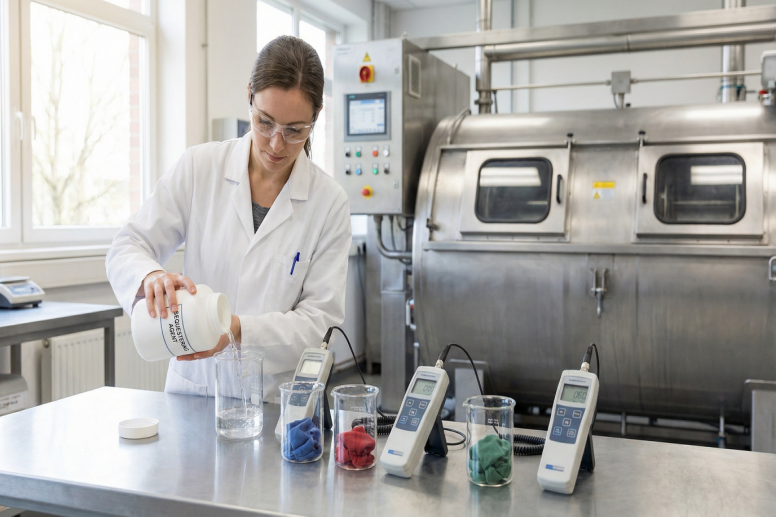
Laboratory trials help determine the optimal combination for maximum color yield.
Benefits for Textile Dyeing Mills
Improving color yield offers multiple production advantages:
Vibrant and uniform fabric color
Reduced dye consumption and cost
Consistent shade reproducibility
Improved customer satisfaction
Lower reprocessing and fabric rejection rates
Conclusion
Maximizing color yield in knit dyeing requires proper chemical selection, process optimization, and water quality control. Wetting agents, sequestering agents, fixing agents, and leveling agents improve dye absorption and fixation.
Textile dyeing mills achieve vibrant, uniform knit fabrics when technical teams combine effective auxiliaries with strict process control and correct chemical dosages.