10 Mar
How to Control Foam in Dyeing Process, Causes, and Chemical Solutions
Learn how to control foam in knit dyeing processes using defoamers, anti-foam chemicals, and process control to ensure uniform dyeing and smooth production
How to Control Foam in Dyeing Process
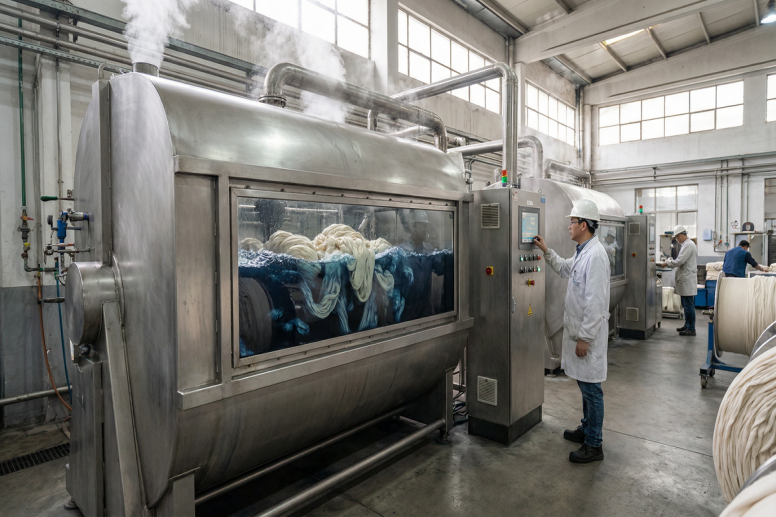
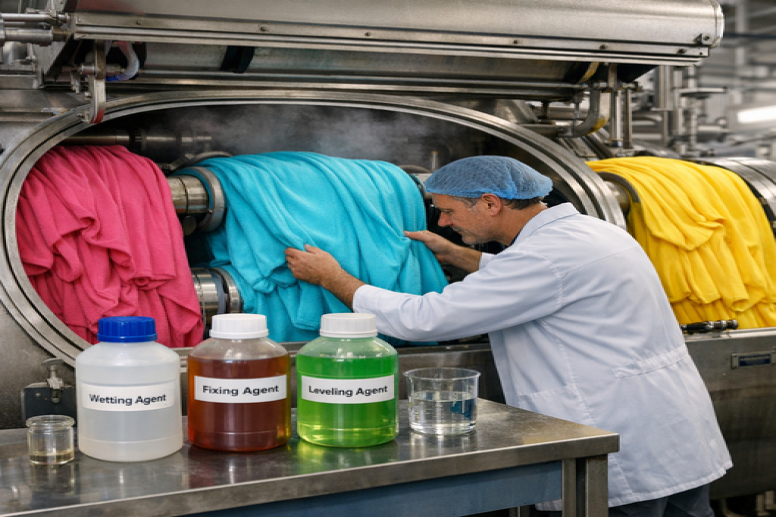
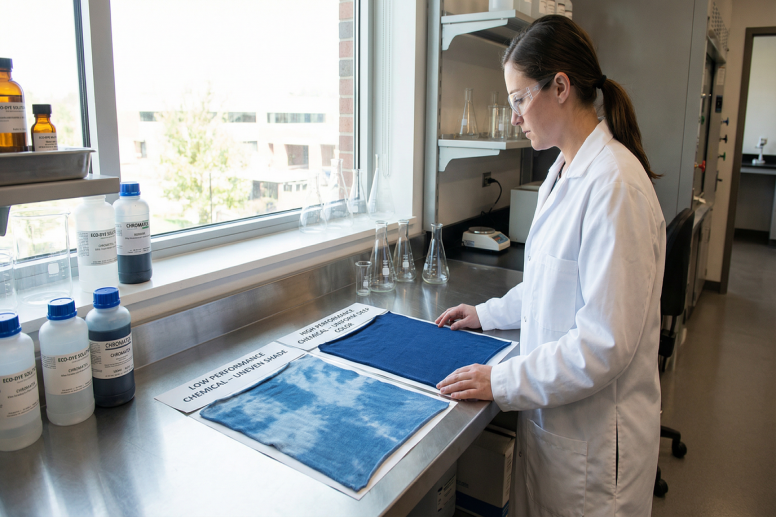
Foam formation is a common issue in textile dyeing, especially during wet processing of knit fabrics. Excessive foam can cause uneven dyeing, chemical overflow, and machine malfunction.
Dyeing factories use defoaming chemicals and proper process control to manage foam levels. Effective foam control improves chemical efficiency, maintains fabric quality, and ensures smooth production.
What Causes Foam in Knit Dyeing
Foam occurs when air becomes trapped in water containing surfactants, dyes, or other auxiliaries. Key causes include:
Surfactants and Wetting Agents
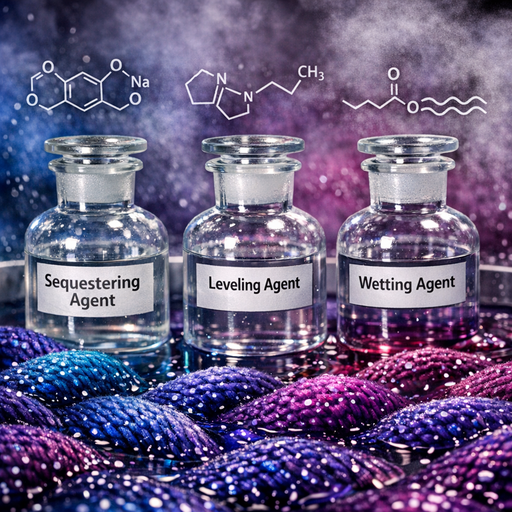
High levels of wetting agents, leveling agents, or detergents increase water’s foaming tendency.
Mechanical Agitation
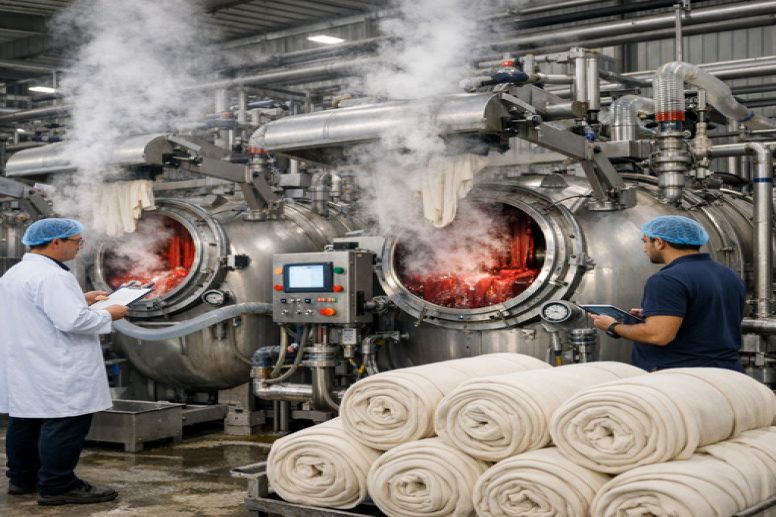
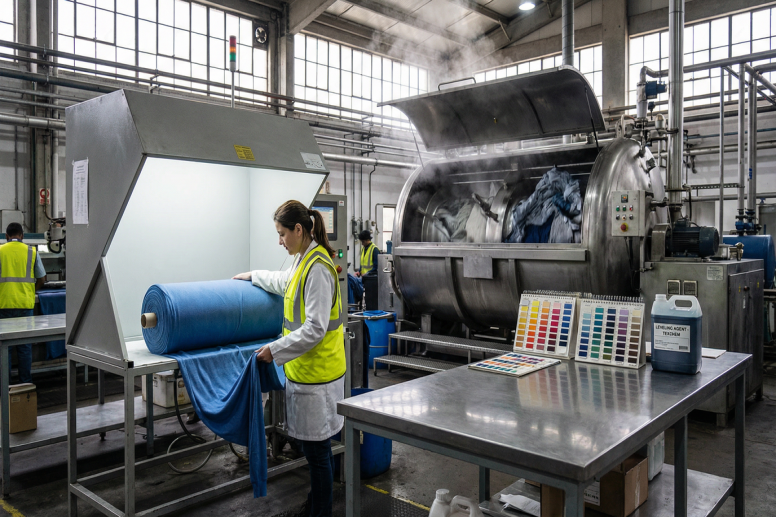
High-speed circulation in soft flow or jet dyeing machines introduces air into the dye bath.
Hard Water and Impurities
Metal ions, oil traces, and fiber fines increase foam stability in dye baths.
High Temperature and Long Processing
Prolonged dyeing at elevated temperatures can stabilize foam formation on the surface.
Problems Caused by Foam in Dyeing
Excessive foam leads to several production issues:
Overflow of dye bath from the machine
Uneven dye distribution
Reduced chemical efficiency
Damage to fabric due to trapped air pockets
Increased cleaning and maintenance requirements
Proper foam management ensures smooth dyeing operations and consistent fabric quality.
Chemical Solutions to Control Foam
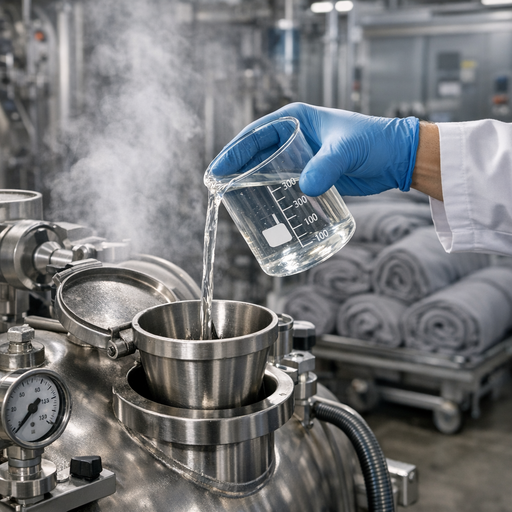
Textile auxiliaries help reduce and control foam formation.
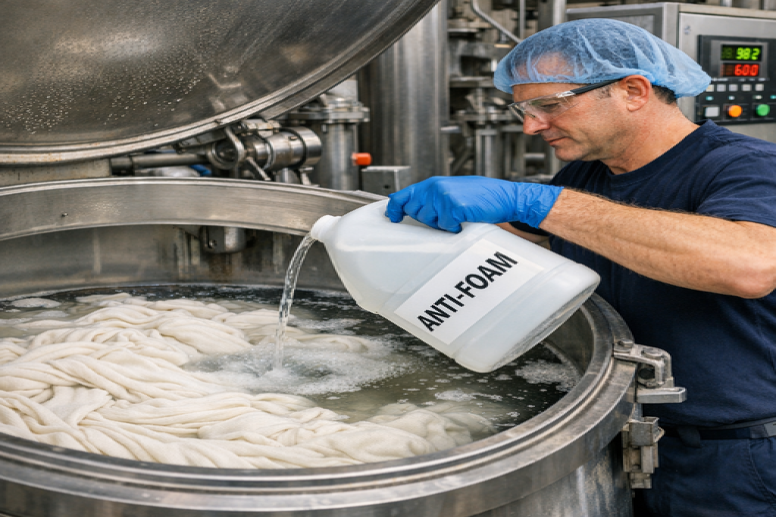
Defoamers / Anti-Foam Agents
Defoamers are chemicals designed to break foam bubbles and prevent their formation.
Benefits:
Immediate foam reduction
Improved dye penetration
Protection of machine surfaces
Reduced chemical wastage
Silicone-Based Defoamers
Highly effective for reactive dyes and knit fabrics
Heat stable during high-temperature processes
Long-lasting foam suppression
Mineral Oil or Polyether-Based Defoamers
Effective for low temperature wet processing
Compatible with surfactant-containing dye baths
Cost-effective for bulk processing
Process Control for Foam Reduction
Chemical use alone is not sufficient; process control is equally important. Key measures include:
Gradual addition of auxiliaries to reduce sudden foaming
Proper machine circulation speed
Avoiding overloading of dyeing machines
Using filtered water to reduce fiber fines and impurities
Controlled temperature ramping during dyeing
These measures support stable foam control and uniform dyeing results.
Typical Dosage of Defoamers
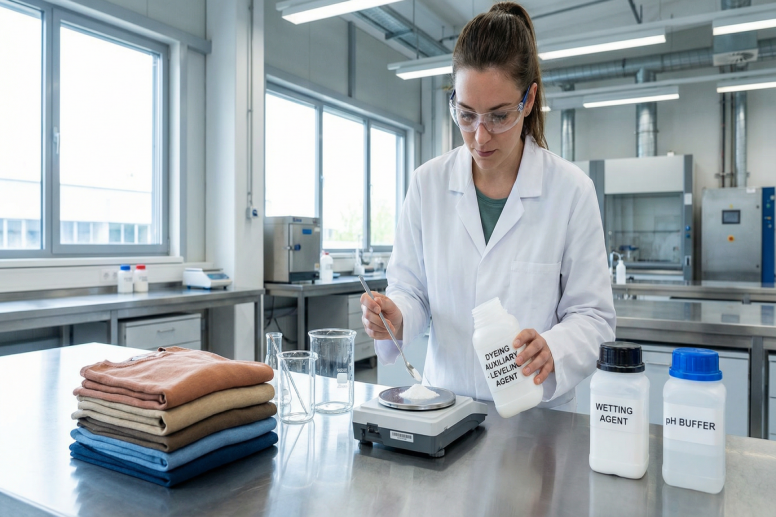
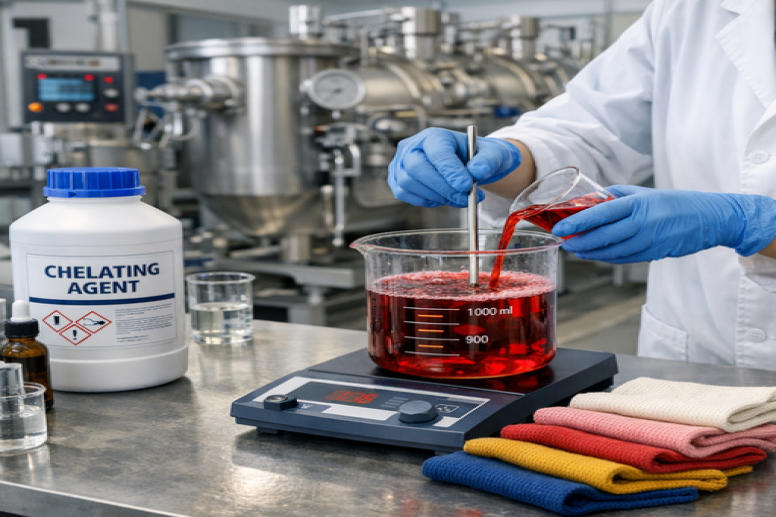
Defoamer dosage depends on machine type, fabric weight, and dye bath composition.
Typical dosage range:
0.1 to 0.5 g/l
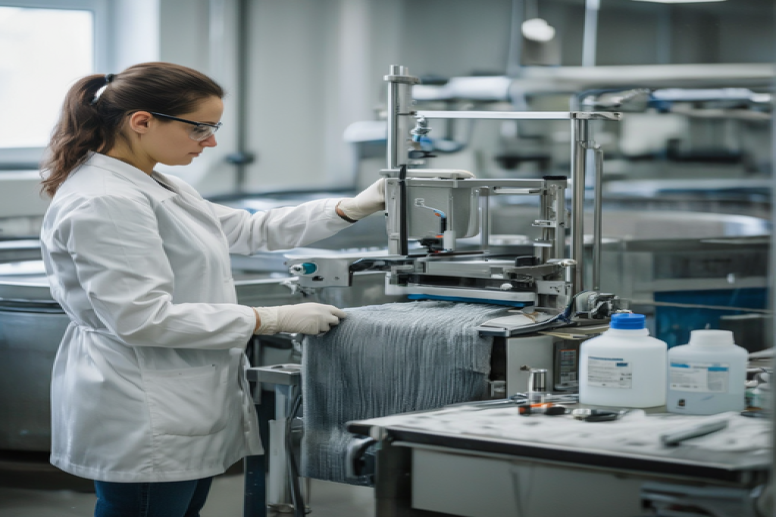
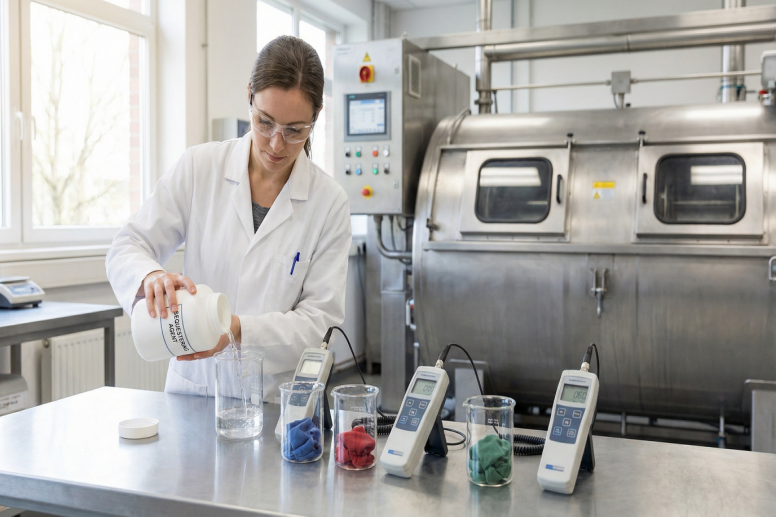
Over-dosage may affect chemical absorption, while under-dosage may leave residual foam. Laboratory trials determine optimal levels.
Benefits for Textile Dyeing Mills
Foam control improves efficiency and quality of knit fabric production. Key benefits include:
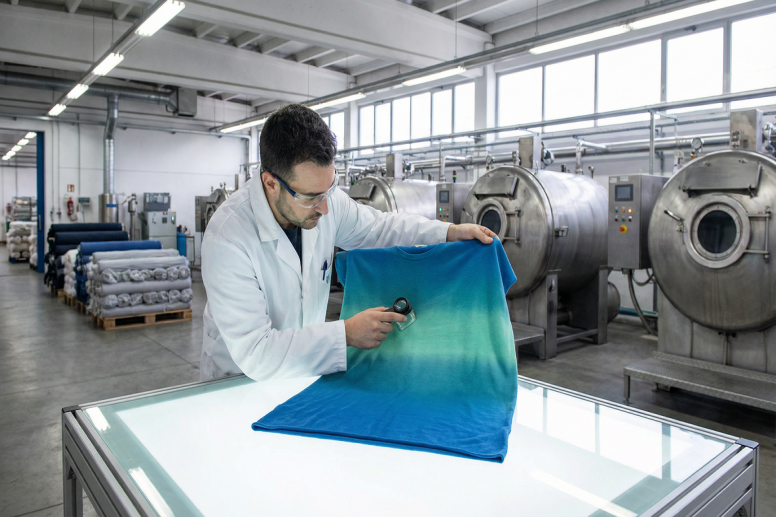
Uniform dyeing without streaks
Stable chemical performance
Reduced machine cleaning and downtime
Prevention of chemical overflow and wastage
Consistent fabric appearance
Selection Criteria for Defoamers
Dyeing mills evaluate defoamers based on:
Effectiveness under high temperature
Compatibility with dyes and auxiliaries
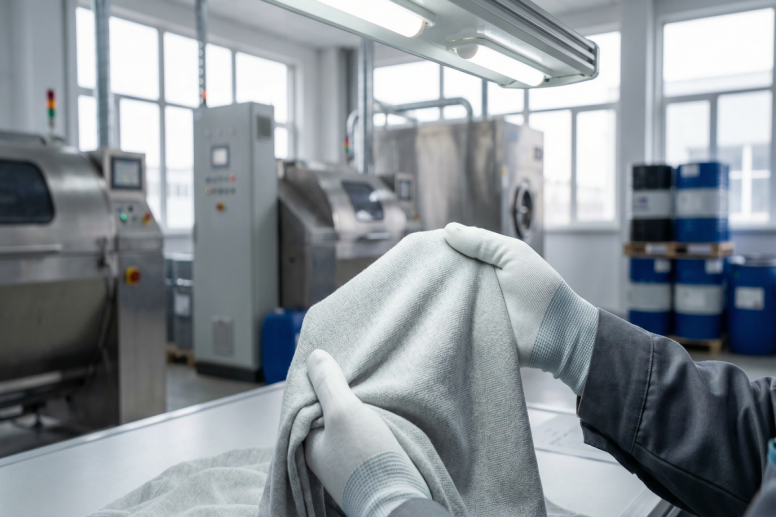
Minimal impact on fabric feel or appearance
Environmental compliance and safety
Proper chemical selection ensures consistent foam-free dyeing performance.
Conclusion
Foam formation is a common challenge in knit dyeing operations. Excessive foam affects dye uniformity, chemical efficiency, and machine performance.
Textile dyeing mills maintain smooth operations by using defoamers, anti-foam chemicals, and controlled processing techniques. Correct chemical selection, proper dosage, and process management ensure uniform dyeing and high-quality fabrics.