11 Mar
How Technical Support Reduces Chemical Cost in Knit Dyeing Mills
Learn how technical support helps knit dyeing mills reduce chemical consumption, improve dyeing efficiency, and lower production costs.
How Technical Support Reduces Chemical Cost
Technical support plays a critical role in modern textile dyeing operations. Many knit dyeing mills focus on chemical purchase price while ignoring the impact of technical guidance on total production cost.
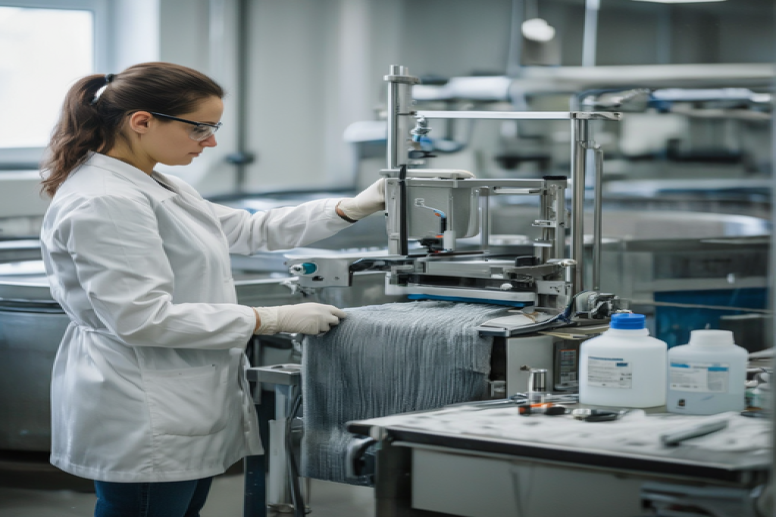
Experienced chemical technicians analyze dyeing processes, recommend suitable auxiliaries, and optimize chemical dosage. This support improves chemical efficiency and prevents unnecessary chemical consumption.
Proper technical guidance allows dyeing mills to maintain consistent fabric quality while reducing operational expenses.
Role of Technical Support in Textile Dyeing
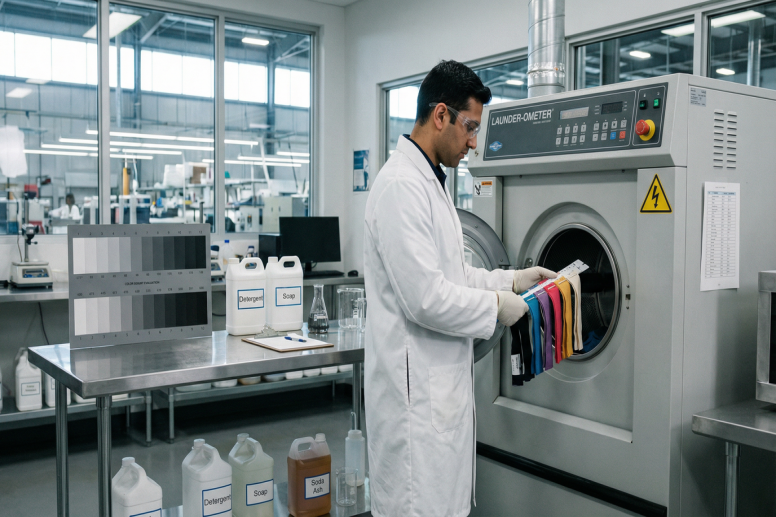
Technical teams provide specialized knowledge about dyeing chemistry, machine operation, and process control.
Key responsibilities include
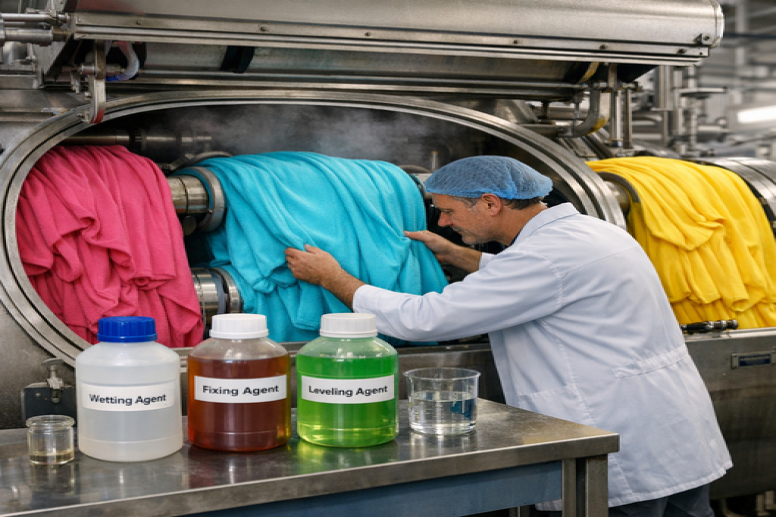
Selection of suitable textile auxiliaries
Optimization of chemical dosage
Troubleshooting dyeing problems
Process parameter adjustment
Training for dyeing operators
These activities improve production efficiency and reduce chemical waste.
Optimization of Chemical Dosage
Many dyeing mills use excessive chemical dosage due to lack of process analysis.
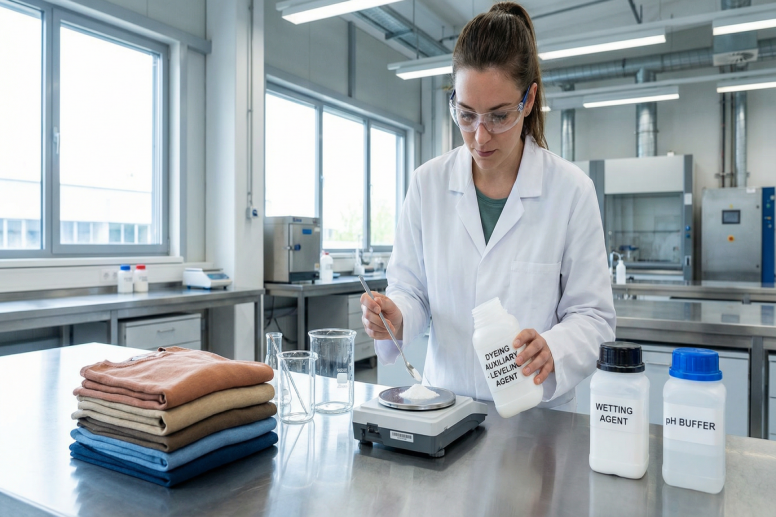
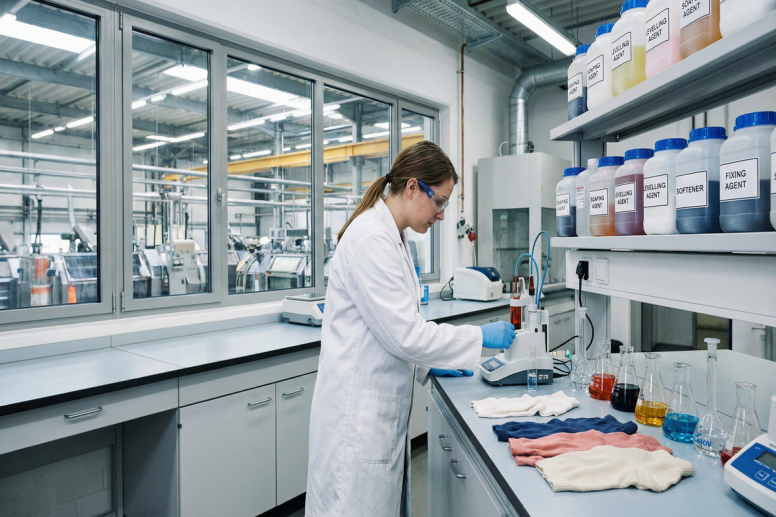
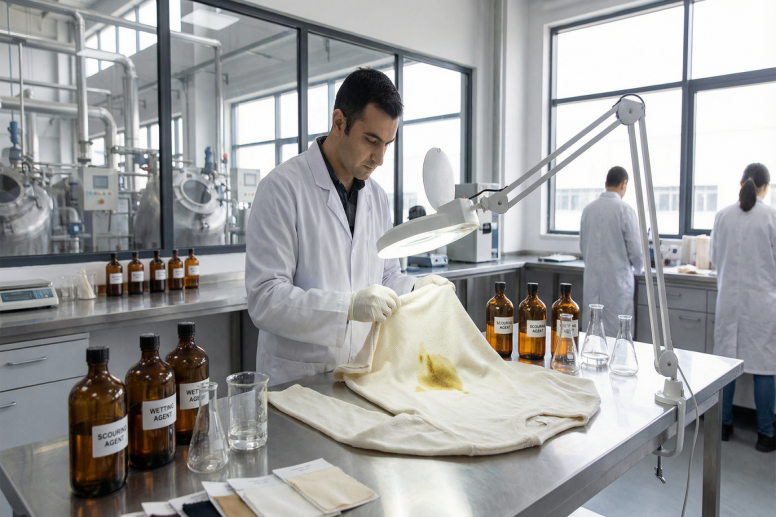
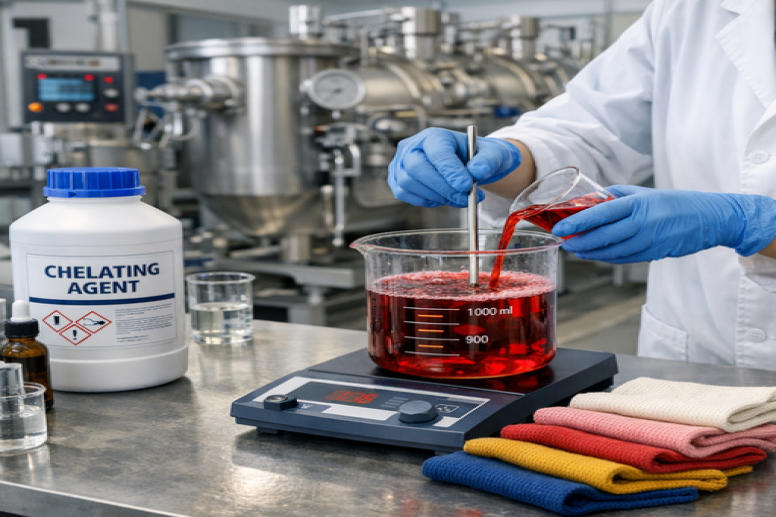
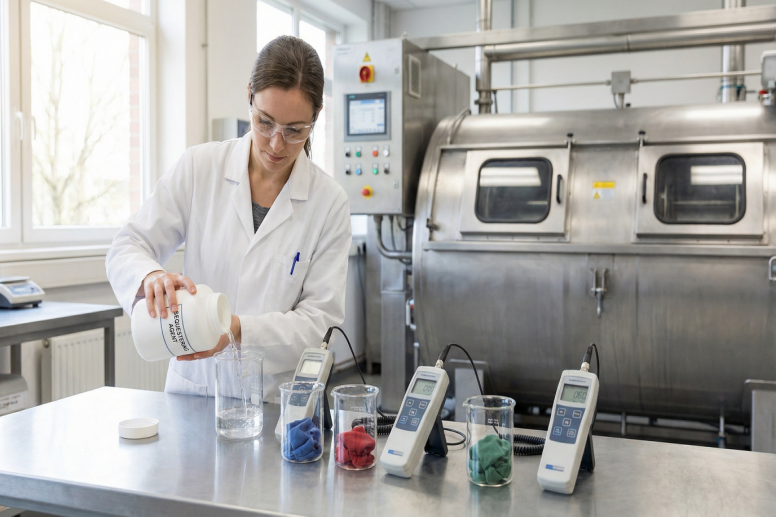
Technical specialists conduct laboratory trials and bulk production monitoring to determine accurate chemical levels.
Benefits of dosage optimization
Reduced chemical consumption
Stable dyeing performance
Lower production cost per batch
Accurate dosing prevents chemical overuse and improves dye bath stability.
Prevention of Dyeing Defects
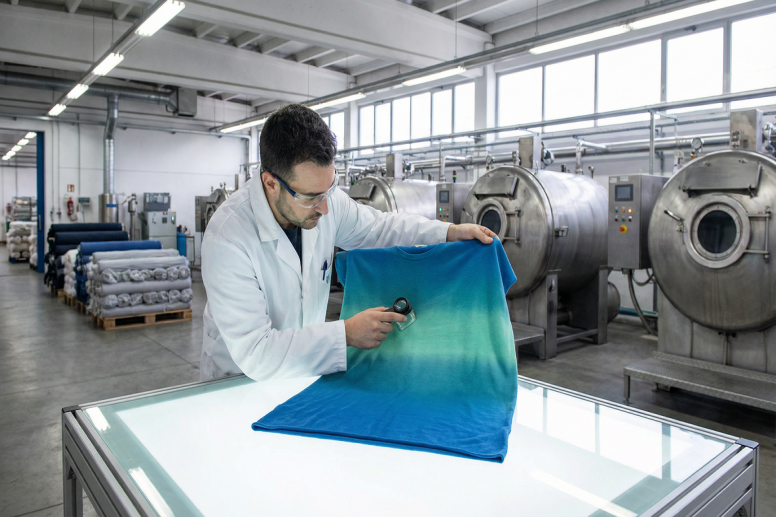
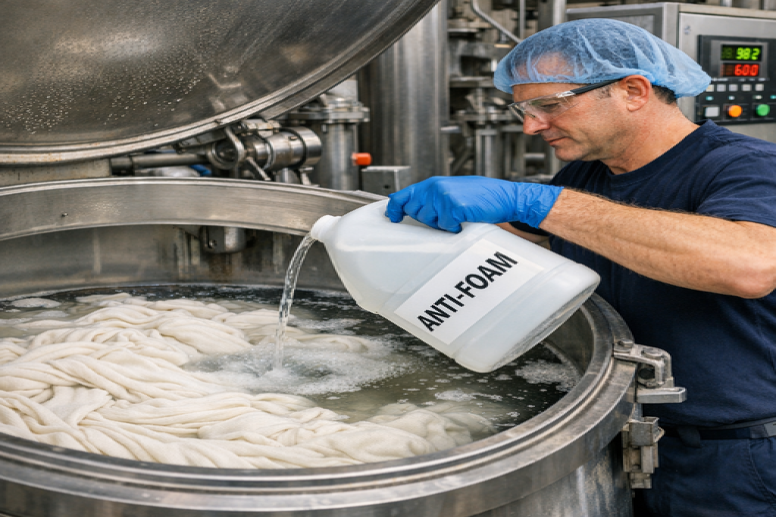
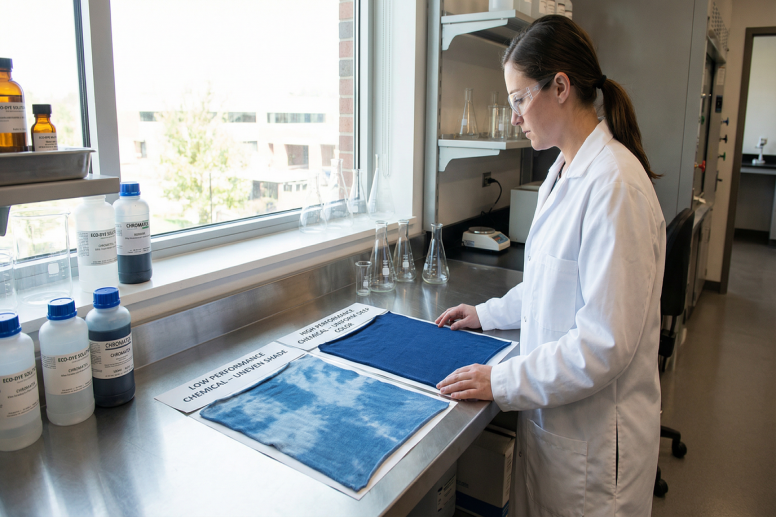
Technical experts identify root causes of dyeing problems such as uneven dyeing, foam formation, and crease marks.
Early problem detection helps avoid
Fabric reprocessing
Additional chemical use
Production delays
Preventing defects significantly reduces overall chemical and labor cost.
Process Improvement in Dyeing Mills
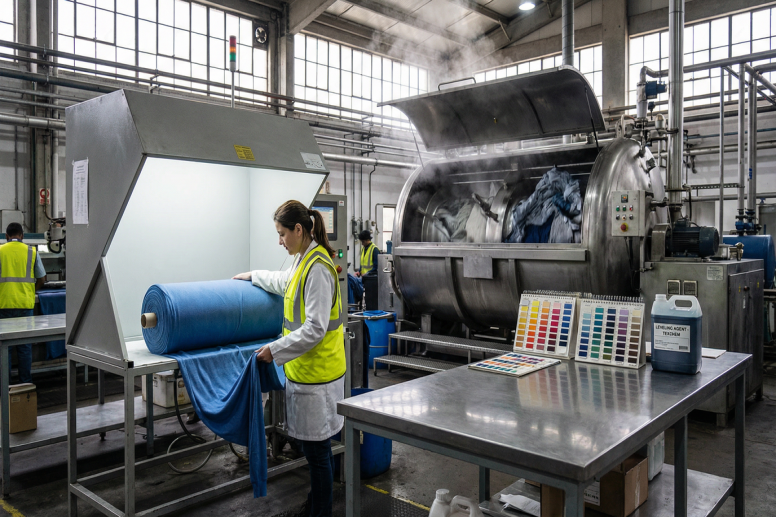
Technical support helps mills optimize key dyeing parameters such as temperature, pH level, and chemical addition sequence.
Process improvements deliver
Higher dye fixation efficiency
Improved color yield
Reduced water and chemical consumption
Stable processes reduce variability in production results.
Operator Training and Knowledge Transfer
Technical support teams often provide training programs for dyeing operators.
Training focuses on
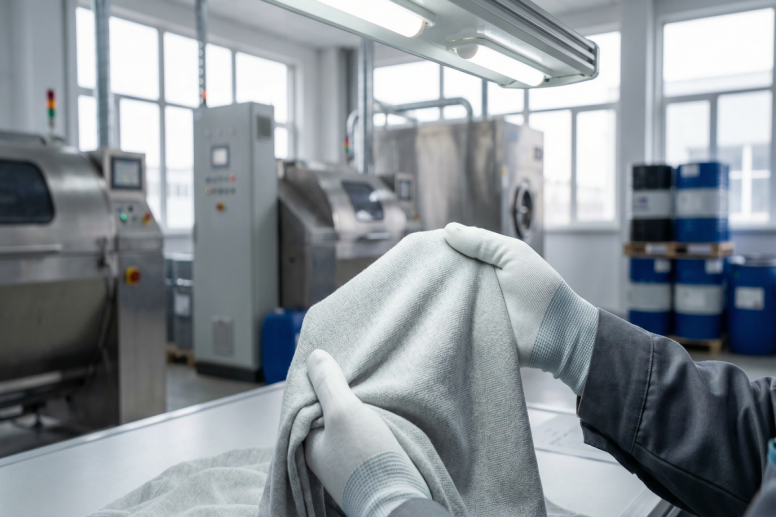
Proper chemical handling
Correct dosing methods
Machine operation control
Quality monitoring procedures
Well-trained operators maintain stable dyeing processes and prevent chemical wastage.
Benefits for Textile Dyeing Mills
Strong technical support provides measurable financial benefits.
Major advantages include
Lower chemical consumption
Reduced dye wastage
Fewer fabric defects
Improved production efficiency
Better shade reproducibility
These improvements increase profitability for knit dyeing mills.
Importance of Collaboration with Chemical Suppliers
Leading textile chemical suppliers provide technical service alongside chemical products.
Close collaboration between mills and chemical suppliers allows
Continuous process improvement
Rapid troubleshooting support
Access to advanced chemical technology
This partnership strengthens long-term production efficiency.
Conclusion
Technical support plays a key role in reducing chemical cost in knit dyeing operations. Through process optimization, correct chemical selection, and operator training, technical teams help mills improve dyeing efficiency and minimize waste.
Dyeing mills achieve stable production and lower operating costs when experienced technicians support chemical management and process control.