11 Mar
Top Certifications for Textile Chemicals: ZDHC, Bluesign, OEKO-TEX, GOTS
Learn about the leading textile chemical certifications—ZDHC, Bluesign, OEKO-TEX, and GOTS—and their importance for sustainable knit dyeing operations.
Top Certifications for Textile Chemicals
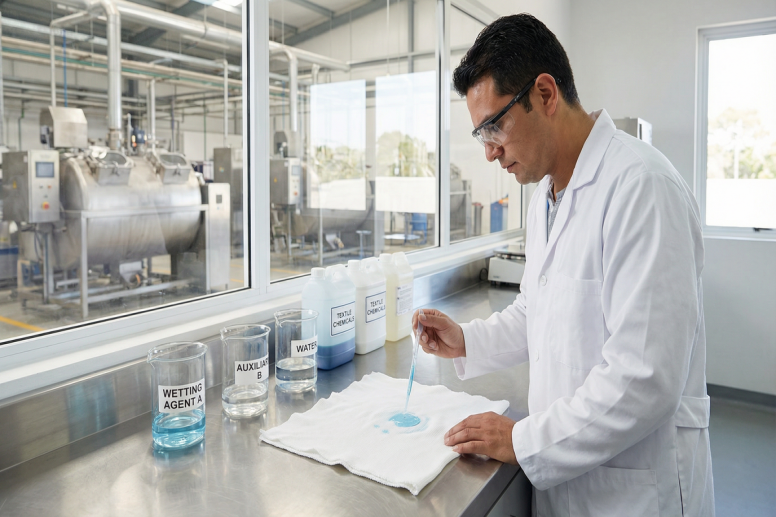
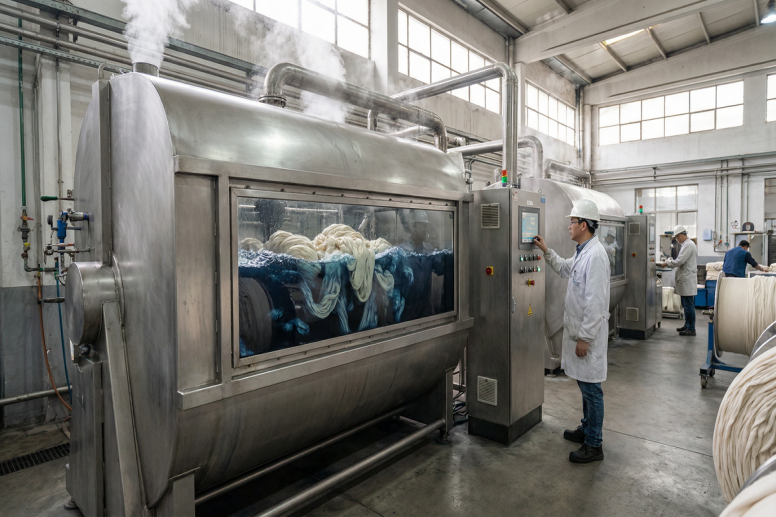
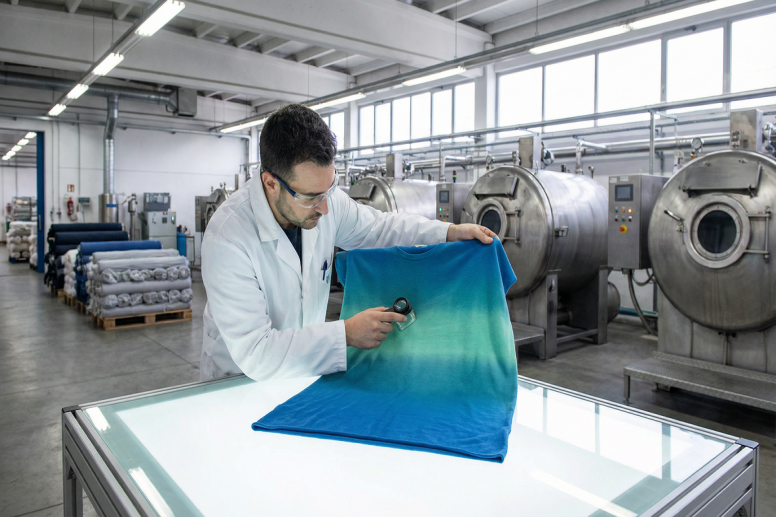
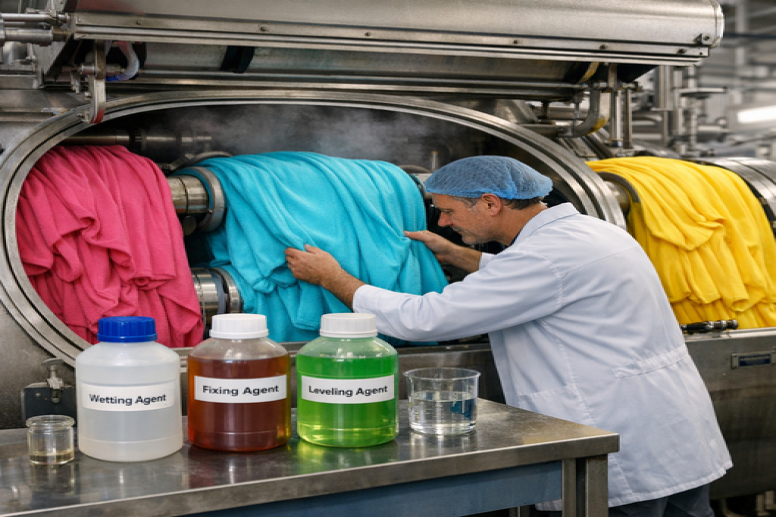
Textile chemicals play a critical role in knit dyeing operations. Global brands and regulators require mills to use chemicals that comply with international environmental, safety, and sustainability standards. Certification ensures that chemicals meet strict quality and safety requirements.
Textile engineers must understand the key certifications to select compliant and high-performance auxiliaries.
ZDHC Certification
The Zero Discharge of Hazardous Chemicals (ZDHC) program sets global standards for safe chemical management in textile and apparel production.
Key points for textile chemicals:
Chemicals are verified against the Manufacturing Restricted Substances List (MRSL)
Supports safer wastewater and environmental compliance
Ensures chemical transparency and traceability in supply chains
ZDHC certified chemicals are widely used in knit dyeing mills aiming for international brand compliance.
Bluesign Certification
Bluesign focuses on sustainable textile production with emphasis on chemical safety, water, and air management.
Benefits of Bluesign approved chemicals:
No harmful substances in formulations
Optimized resource efficiency
Full transparency from chemical suppliers
Supports cleaner production processes
Bluesign chemicals are designed to reduce environmental impact and improve worker safety.
OEKO-TEX Certification
OEKO-TEX provides independent verification for chemicals used in textiles to ensure they are free from harmful substances.
Important aspects:
Ensures chemical safety for textiles and consumers
Aligns with standard test criteria for restricted substances
OEKO-TEX certified auxiliaries support safe manufacturing practices
This certification is crucial for mills supplying knit fabrics to international markets.
GOTS Certification
The Global Organic Textile Standard (GOTS) focuses on certified organic fiber processing and sustainable chemical use.
Key points for chemical selection:
Only approved chemicals are permitted in processing
Supports environmentally friendly dyeing and finishing
Ensures compliance with organic textile standards
GOTS certified auxiliaries are essential for mills producing organic knit fabrics.
Why Certifications Matter for Textile Engineers
Certifications help engineers make informed decisions about chemical selection:
Ensure compliance with global brand requirements
Improve chemical safety for operators
Reduce environmental and wastewater impact
Support sustainable production practices
Enhance market access for textile products
Using certified chemicals strengthens both production reliability and sustainability.
Conclusion
ZDHC, Bluesign, OEKO-TEX, and GOTS represent the top certifications for textile chemicals. Knit dyeing mills that adopt certified auxiliaries improve process safety, environmental compliance, and market competitiveness. Textile engineers must prioritize certified chemicals for sustainable and high-quality dyeing operations.