10 Mar
Chemical Optimization Strategy for Knit Dyeing Mills
Learn how knit dyeing mills reduce chemical consumption, improve fabric quality, and lower production costs using chemical optimization strategies and proper auxiliary management.
Chemical Optimization Strategy for Knit Dyeing Mills
Efficient chemical management is crucial for knit dyeing mills. Optimized chemical use reduces cost, improves fabric quality, and ensures consistent dyeing performance.
Chemical optimization strategies focus on selecting the right auxiliaries, controlling dosage, and maintaining stable dye bath conditions. Proper implementation prevents overuse, minimizes reprocessing, and enhances overall production efficiency.
Importance of Chemical Optimization
Textile dyeing involves high consumption of dyes, salts, alkalis, and auxiliaries. Improper chemical use leads to:
Increased production cost
Uneven dyeing and fabric defects
Poor color yield and shade inconsistency
Higher water and energy consumption
Optimized chemical strategies reduce these issues while maintaining high-quality knit fabrics.
Key Steps for Chemical Optimization
1. Pre-Lab Testing
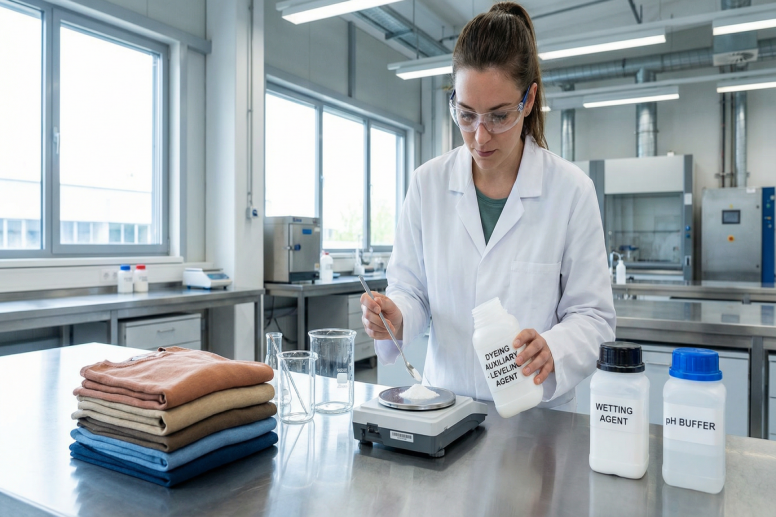
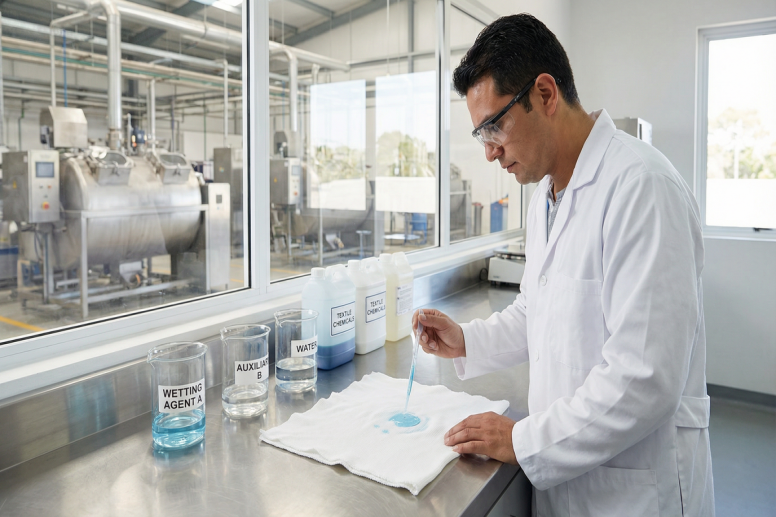
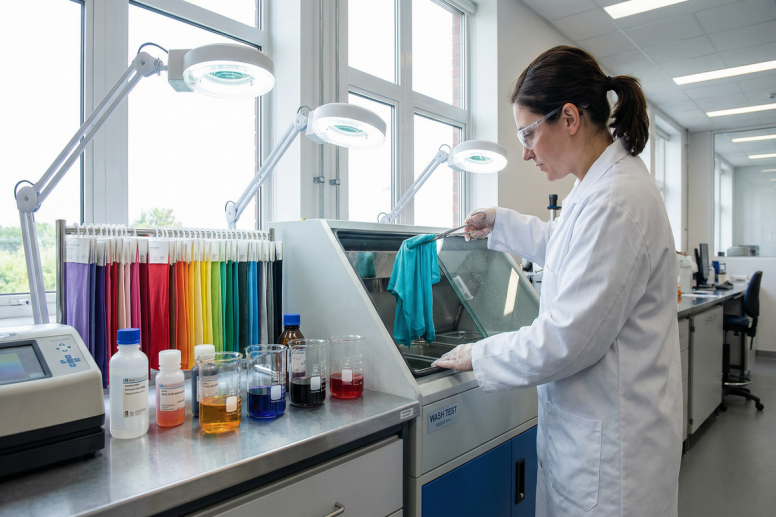
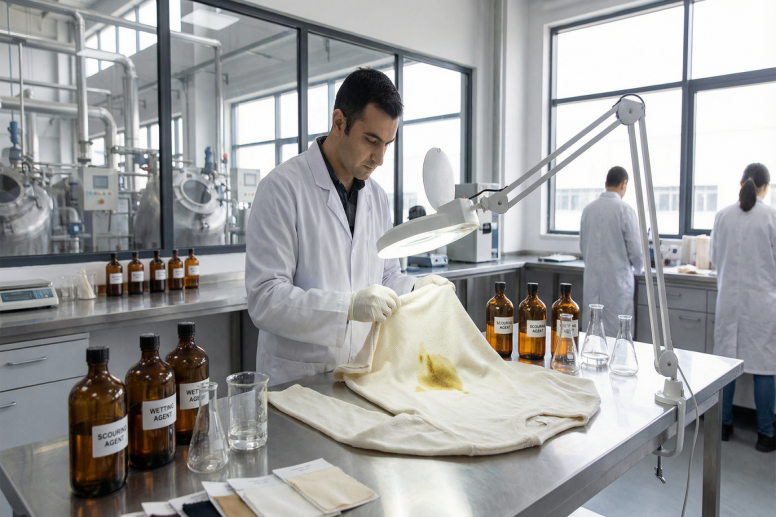
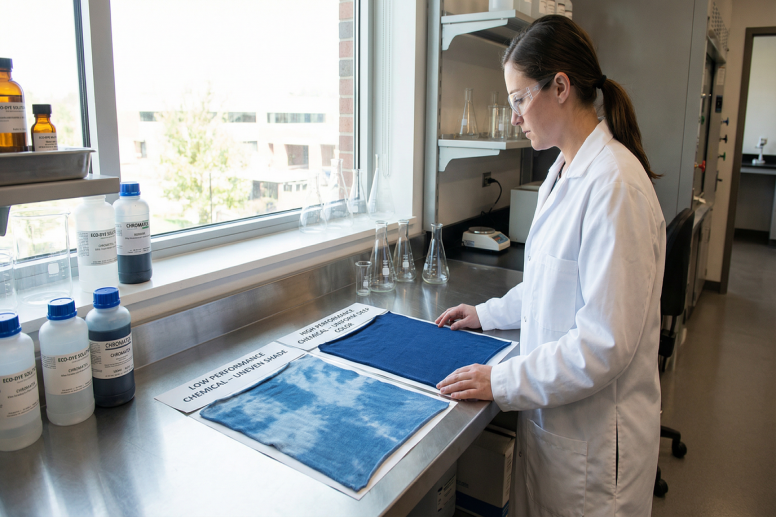
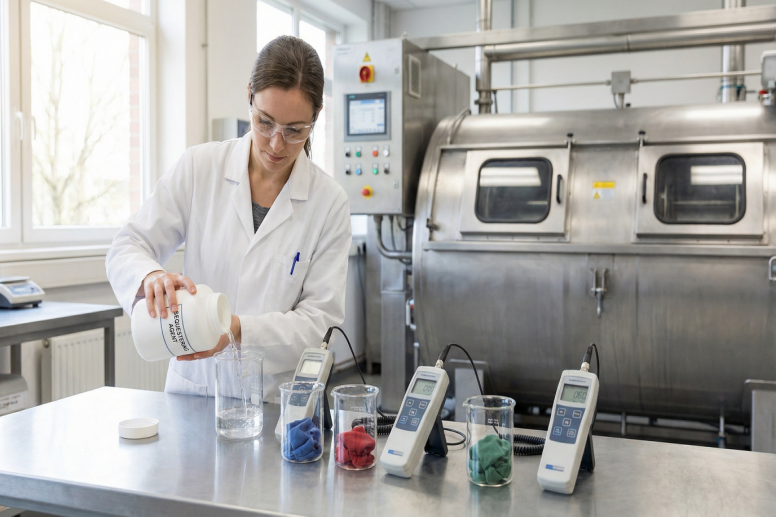
Laboratory trials allow mills to determine the correct dosage of dyes and auxiliaries for each fabric type. Pre-lab testing ensures reproducible shades and avoids overdosing chemicals.
2. Water Quality Management
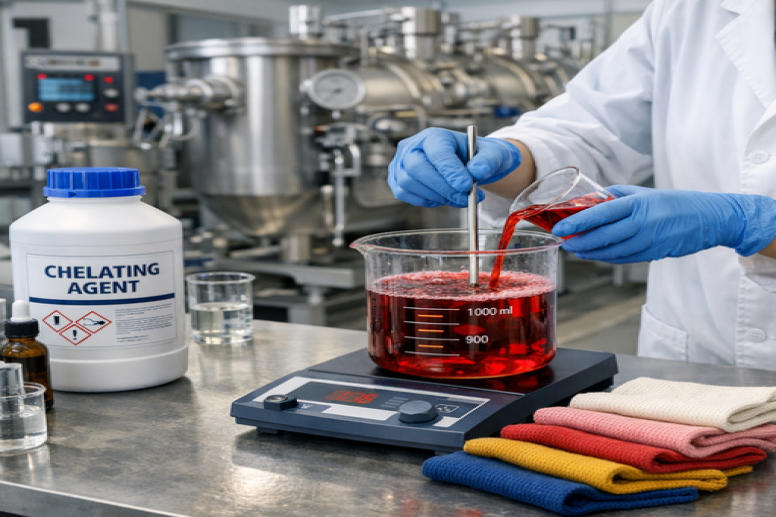
Sequestering agents and water treatment reduce the impact of hard water and metal ions. Stable water quality ensures efficient chemical performance and prevents dye loss.
3. Proper Auxiliary Selection
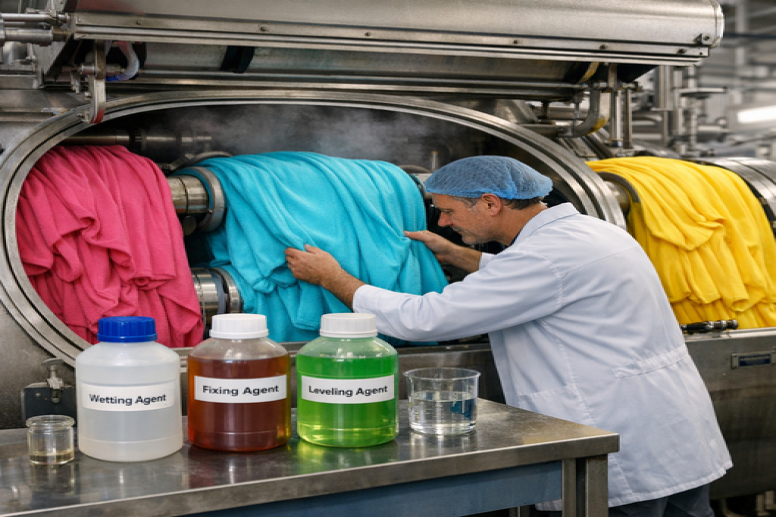
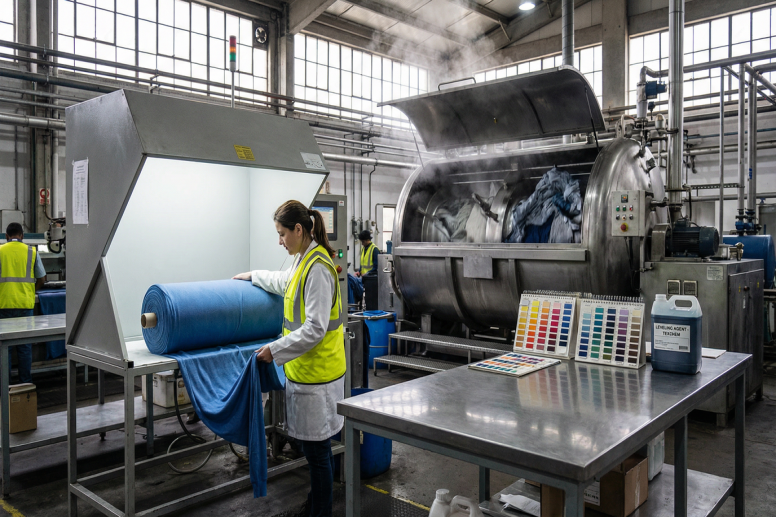
Selecting the right auxiliaries—such as wetting agents, leveling agents, anti-foam agents, and fixing agents—enhances dye absorption, reduces defects, and prevents chemical wastage.
4. Controlled Chemical Addition
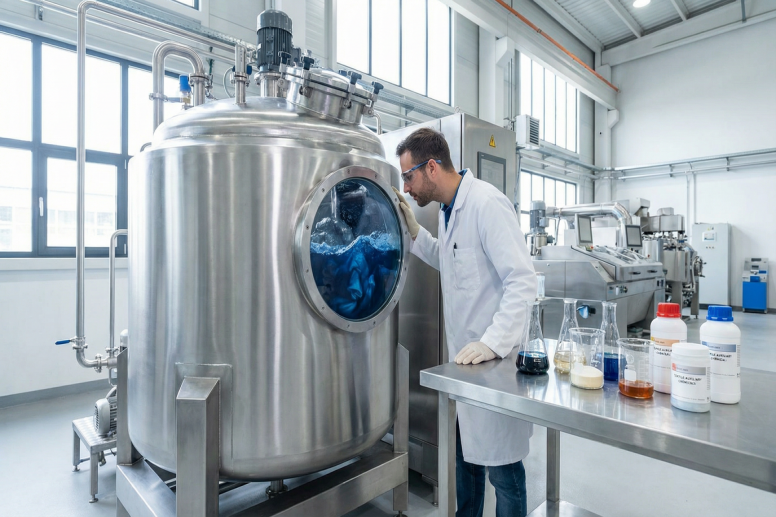
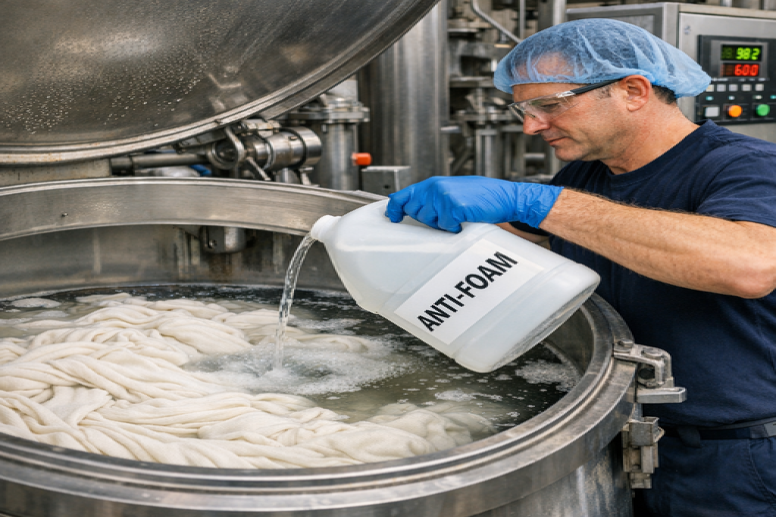
Gradual and measured addition of chemicals ensures uniform distribution in the dye bath. Avoiding sudden chemical spikes minimizes foam, patchy dyeing, and fabric damage.
5. Process Parameter Control
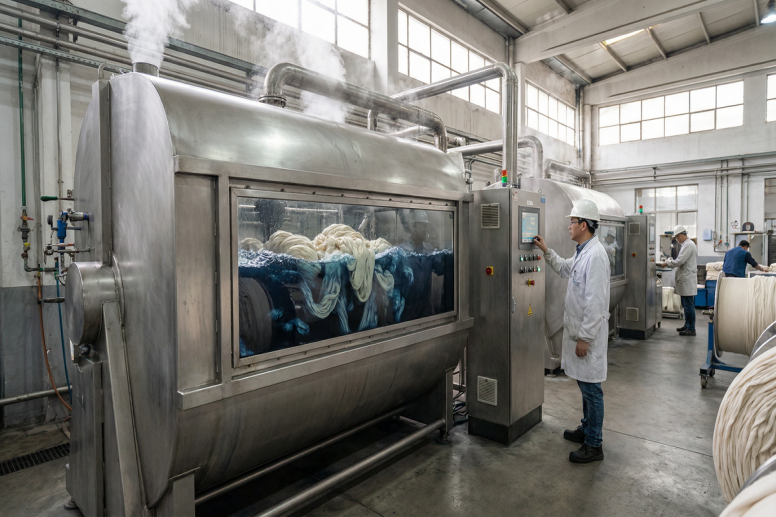
Temperature, pH, and dye bath circulation affect chemical efficiency. Maintaining optimal parameters ensures better dye fixation, improved color yield, and reduced auxiliary consumption.
6. Monitoring and Feedback
Real-time monitoring of dye bath conditions and fabric quality helps identify deviations. Continuous feedback enables timely adjustment of chemical dosage for consistent results.
Benefits of Chemical Optimization
Reduced dye and auxiliary consumption
Lower production cost per kilogram of fabric
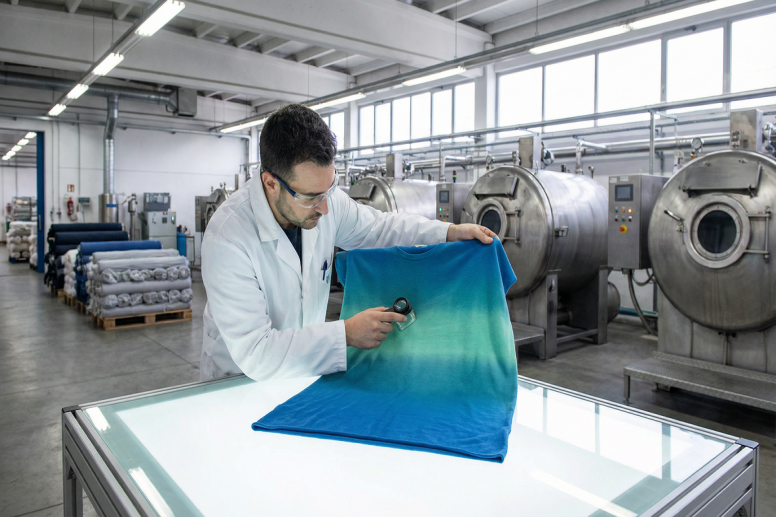
Improved fabric quality with uniform shades
Higher dye bath stability and reproducibility
Reduced water, energy usage, and environmental impact
Optimized chemical use strengthens a mill’s competitiveness while maintaining sustainable production.
Best Practices for Knit Dyeing Mills
Maintain proper chemical storage and labeling
Train operators on correct chemical handling and dosing
Implement regular lab trials for new fabrics or dyes
Record chemical usage and batch results for performance tracking
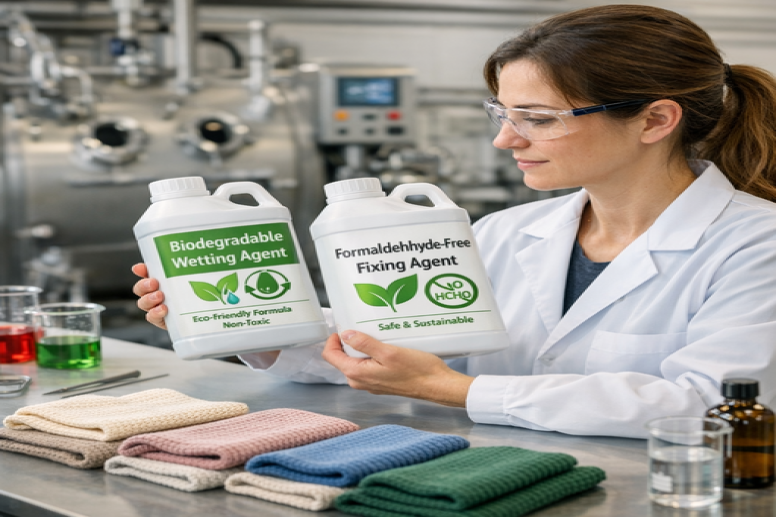
Follow environmental compliance standards for auxiliaries
These practices maximize cost efficiency and maintain high-quality knit fabric production.
Conclusion
Chemical optimization in knit dyeing mills ensures efficient use of dyes and auxiliaries while reducing production cost. By combining proper auxiliary selection, accurate dosing, water quality management, and process control, mills achieve uniform, high-quality knit fabrics.
Technical teams that implement chemical optimization strategies improve color yield, minimize defects, and enhance overall operational efficiency.