12 Mar
Case Study: Shade Variation Problem Solved Using Leveling Agent in Knit Dyeing
Case study showing how a knit dyeing mill solved shade variation using leveling agents and optimized dyeing process parameters.
Case Study: Shade Variation Problem Solved Using Leveling Agent
Shade variation remains one of the most common problems in cotton knit dyeing. Uneven dye absorption across fabric width or length leads to quality rejection and production loss.
This case study explains how a knit dyeing mill solved shade variation during reactive dyeing by introducing a suitable leveling agent and optimizing dyeing parameters.
The case highlights practical troubleshooting steps useful for textile engineers working in wet processing plants.
Background of the Dyeing Mill
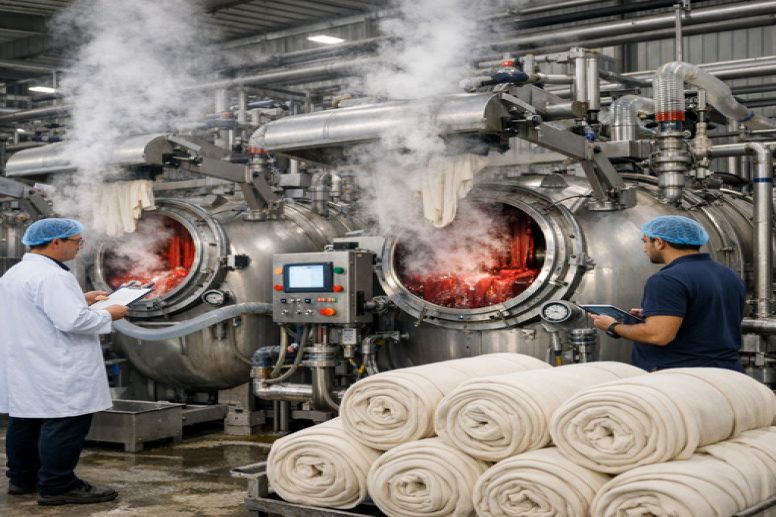
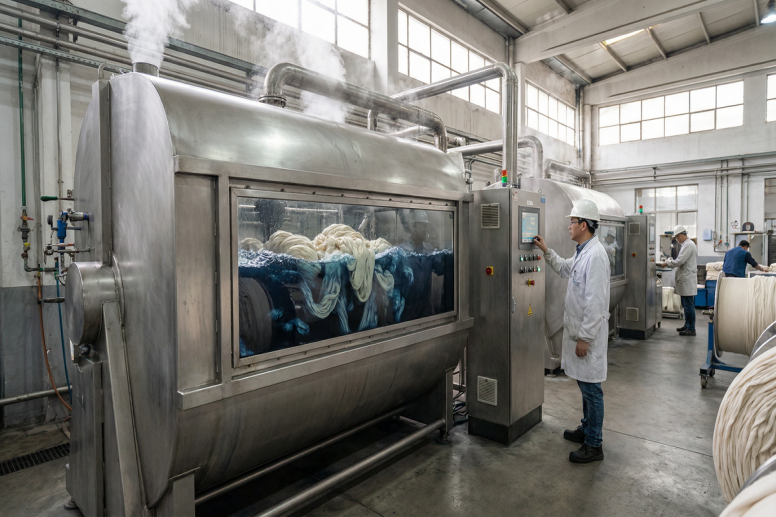
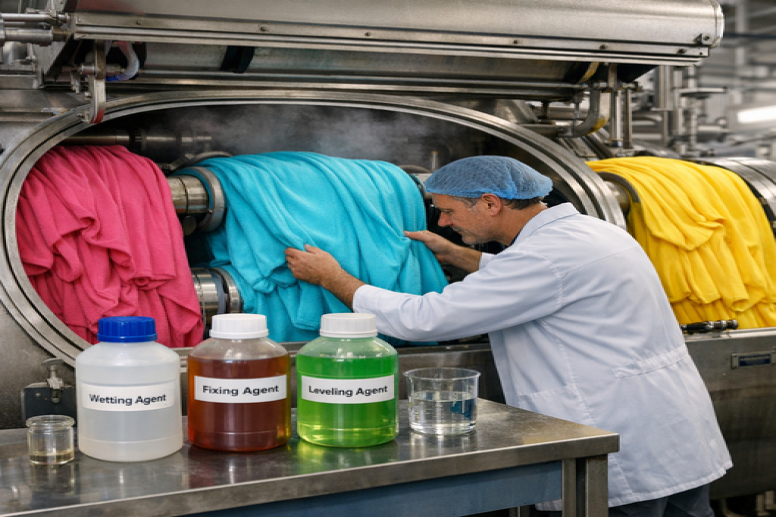
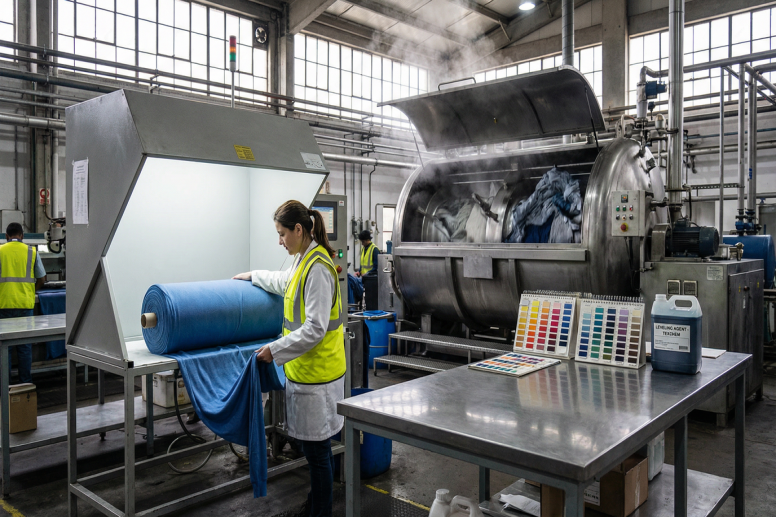
A medium scale knit dyeing mill processed cotton single jersey fabrics for export garments. The dyeing unit used soft flow dyeing machines with batch capacity between 300 kg and 600 kg.
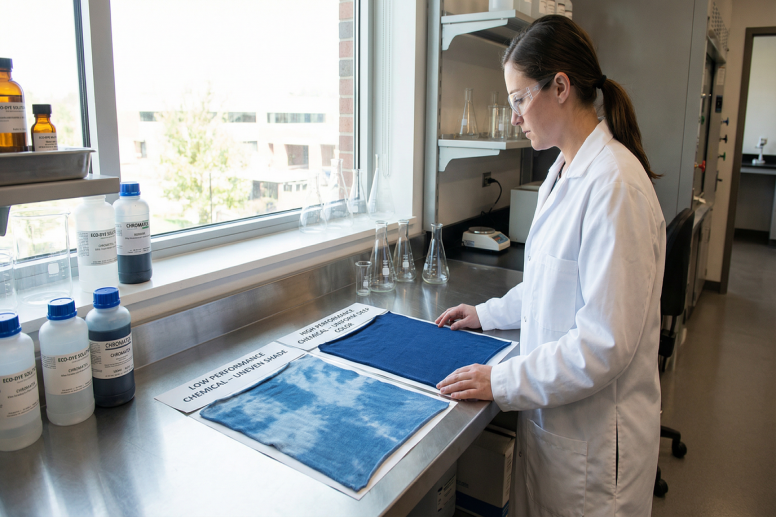
The mill experienced repeated shade variation during medium depth reactive dyeing of cotton fabrics.
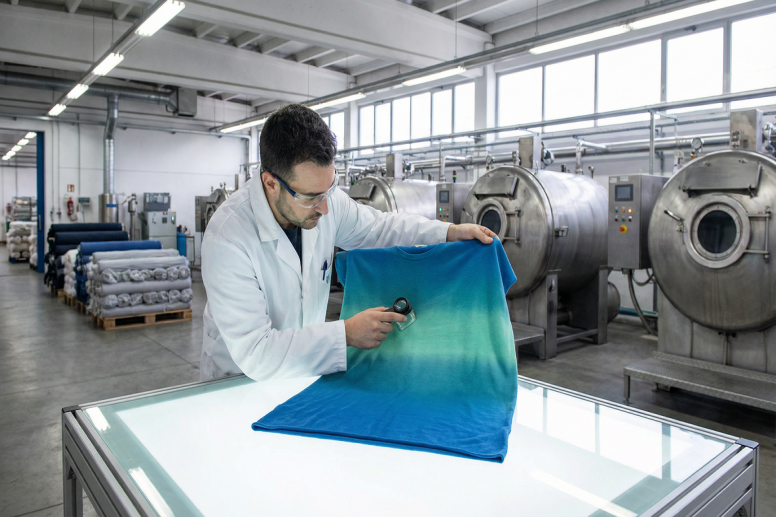
Observed defects included
darker patches in the fabric body
uneven shade along fabric length
minor streak marks after dyeing
These defects increased reprocessing cost and delayed production schedules.
Root Cause Analysis
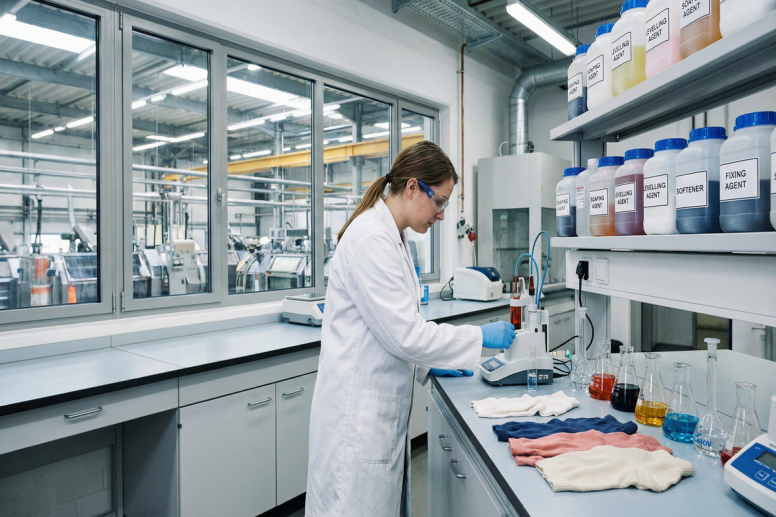
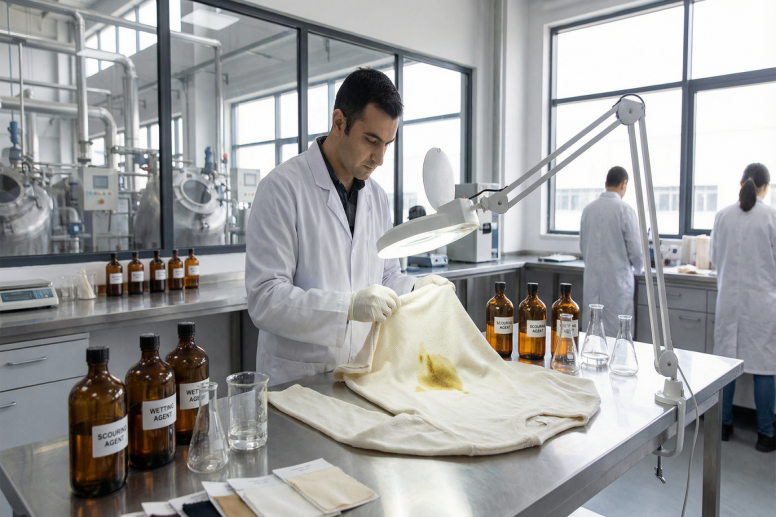
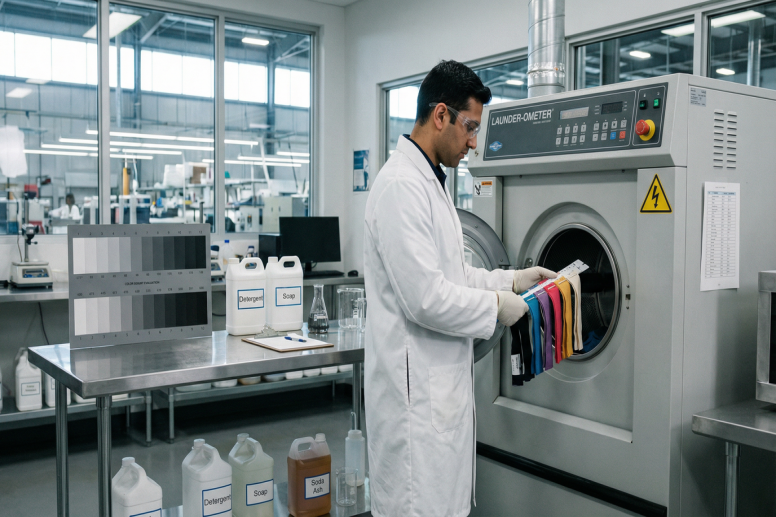
The dyeing engineering team conducted a process investigation to identify the cause of shade variation.
Several factors were analyzed
dye solubility in the dye bath
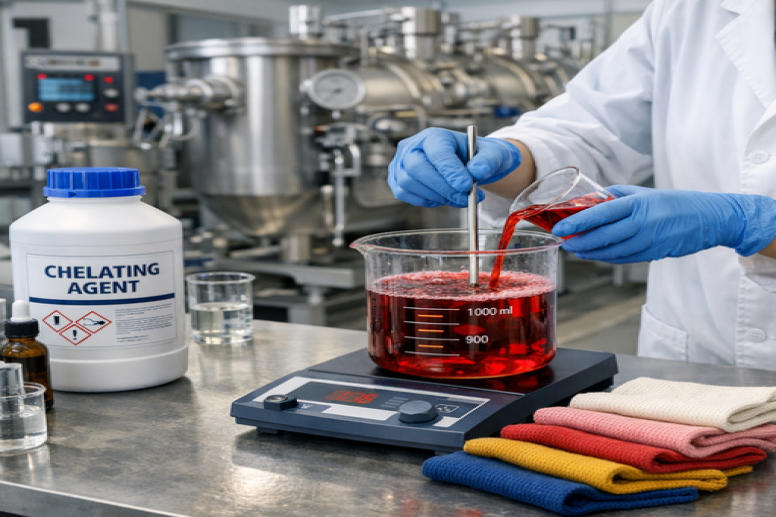
chemical compatibility
water hardness
fabric wetting efficiency
dye migration behavior
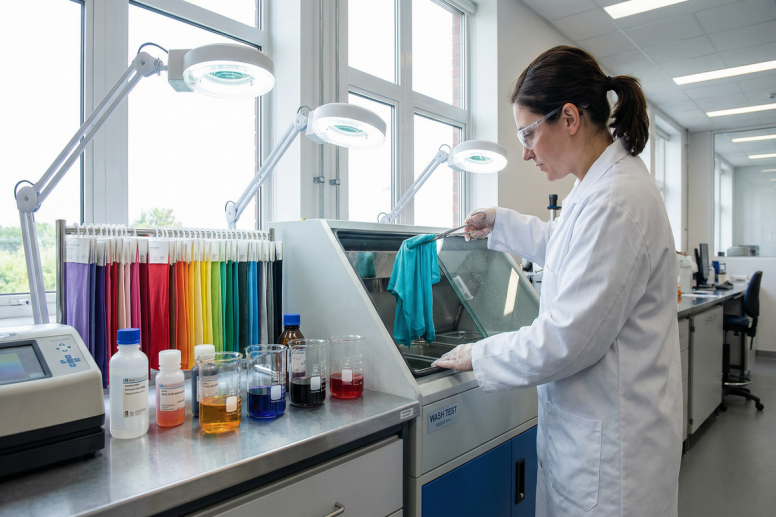
Laboratory tests showed rapid dye absorption during the initial stage of dyeing. This fast dye uptake created uneven distribution of dye molecules across the fabric.
Insufficient leveling control remained the primary cause of the problem.
Solution Strategy
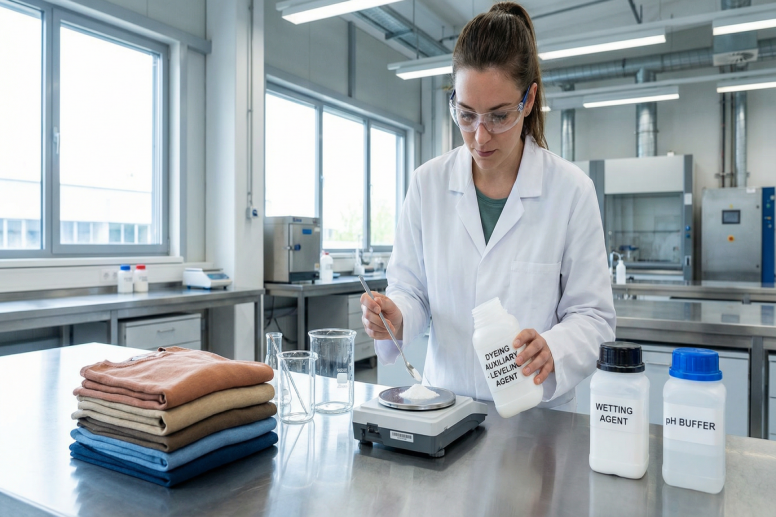
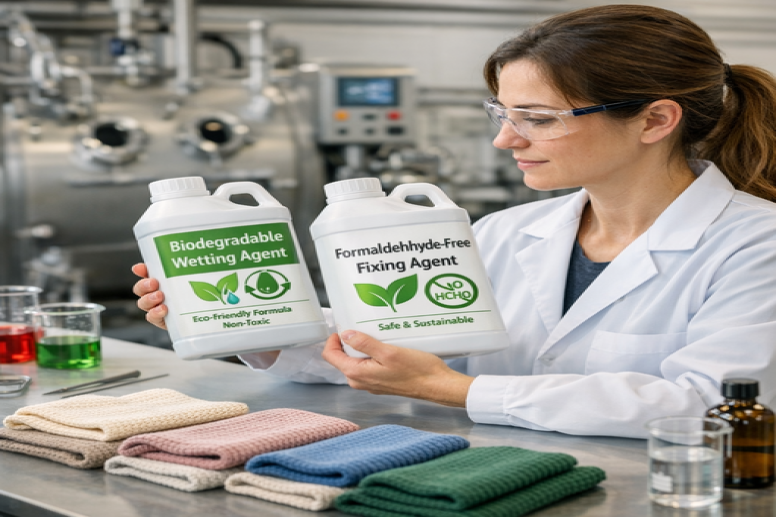
The technical team implemented a leveling agent designed for reactive dyeing processes.
The leveling agent provided controlled dye migration during the early stage of dyeing.
Key actions included
addition of leveling agent before dye introduction
gradual salt dosing to control dye exhaustion
optimized temperature rise rate in dyeing cycle
These adjustments slowed dye absorption and allowed uniform dye distribution.
Dyeing Process Adjustment
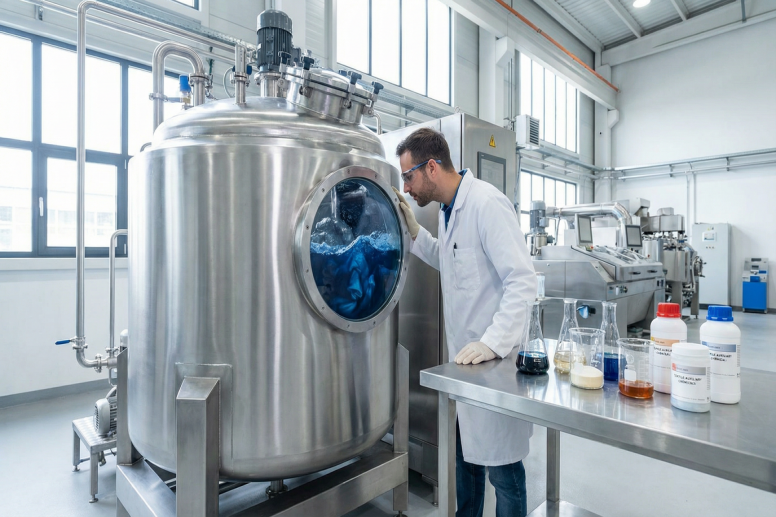
The revised dyeing procedure included the following process sequence.
Step 1
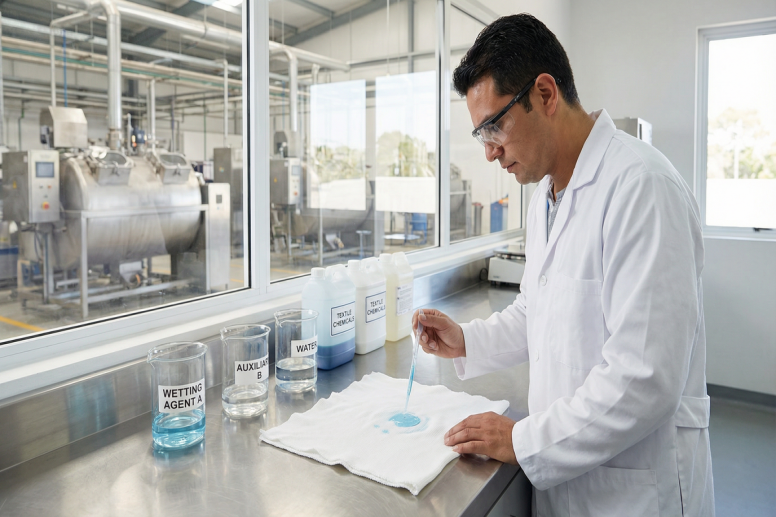
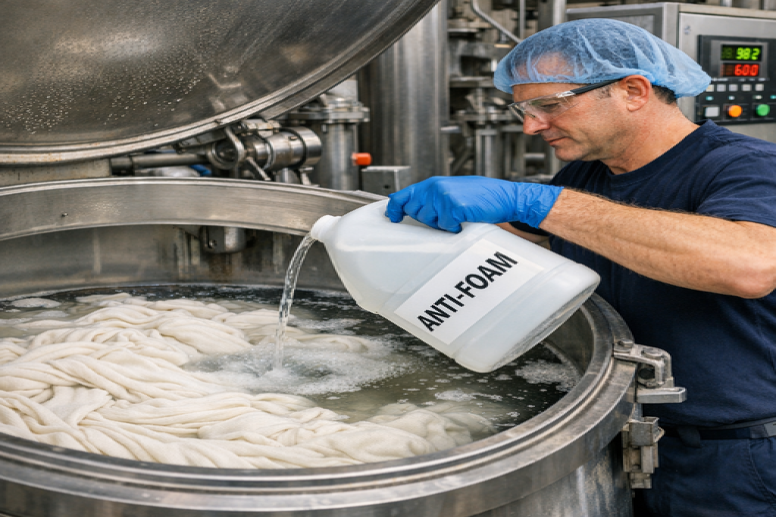
Fabric loading and bath preparation with wetting agent and leveling agent.
Step 2
Dye addition at low temperature with continuous circulation.
Step 3
Gradual salt dosing to control dye exhaustion.
Step 4
Alkali addition for dye fixation.
Step 5
Hot washing and soaping process.
This controlled dye migration during the critical initial dyeing stage.
Results After Process Optimization
After introducing the leveling agent and adjusting process parameters, the dyeing mill observed clear improvement.
Production results included
uniform shade distribution across fabric
elimination of patchy dyeing defects
reduced fabric rejection rate
improved first time right dyeing performance
The mill reduced re dyeing operations and saved production time.
Technical Benefits of Leveling Agents
Leveling agents provide several advantages in reactive dyeing processes.
Key functions include
control of dye absorption rate
improved dye migration within the fiber
prevention of local dye concentration
uniform shade development across fabric
These properties support stable dyeing operations.
Engineering Lessons from the Case Study
Textile engineers can apply several lessons from this case.
Important practices include
monitoring dye exhaustion behavior
selecting appropriate leveling auxiliaries
controlling salt dosing rate
optimizing temperature rise during dyeing
These measures improve dye distribution and reduce shade variation risk.
Conclusion
Shade variation in knit dyeing often results from uncontrolled dye absorption during the early stage of reactive dyeing. The introduction of a suitable leveling agent helps regulate dye migration and ensures uniform shade development.
This case study demonstrates how proper auxiliary selection and process optimization help dyeing mills improve fabric quality and reduce production losses.