10 Mar
How to Reduce Dye Consumption Using Textile Auxiliaries in Knit Dyeing
Learn how textile auxiliaries help reduce dye consumption in knit dyeing by improving dye absorption, fixation, and color yield.
How to Reduce Dye Consumption Using Auxiliaries
Dye cost forms a major part of textile dyeing expenses. Knit dyeing mills often face high dye consumption due to inefficient dye uptake, poor process control, and unsuitable chemical selection.
Textile auxiliaries help improve dye absorption and fixation during the dyeing process. When mills apply the correct auxiliaries with proper dosage, dye utilization increases and overall dye consumption decreases.
Efficient chemical management supports cost control and consistent fabric quality.
Why Dye Consumption Becomes High
Several technical factors increase dye consumption in knit dyeing operations.
Poor Dye Absorption
Cotton fibers sometimes absorb dye unevenly due to low fabric wettability or trapped air in knit loops.
Hard Water Conditions
Calcium and magnesium ions present in hard water interfere with dye solubility and reduce dye uptake.
Rapid Dye Fixation
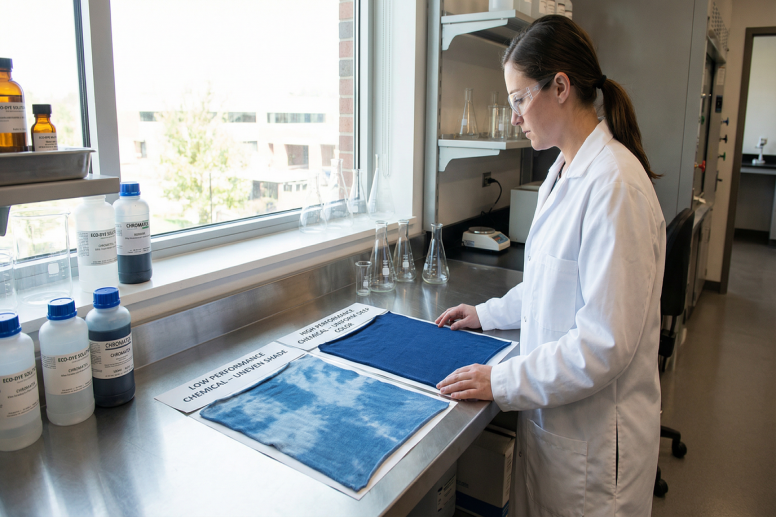
Uncontrolled dye absorption leads to patchy shades. Mills often add extra dye to correct shade variation.
Foam Formation
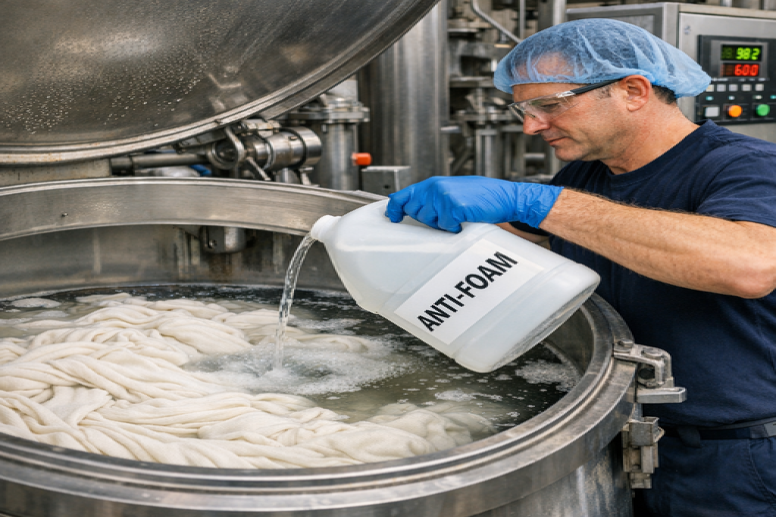
Foam inside the dye bath prevents proper dye distribution and reduces chemical efficiency.
These issues lead to unnecessary dye usage.
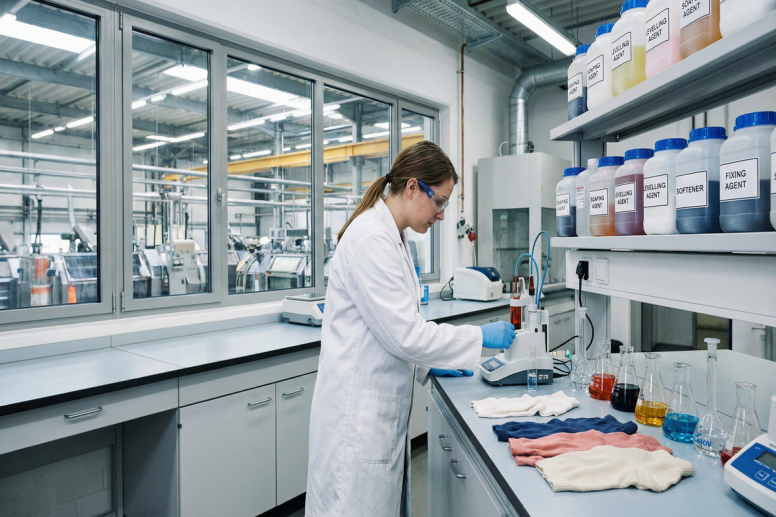
Textile Auxiliaries That Reduce Dye Consumption
Proper auxiliaries improve dye bath stability and increase dye utilization.
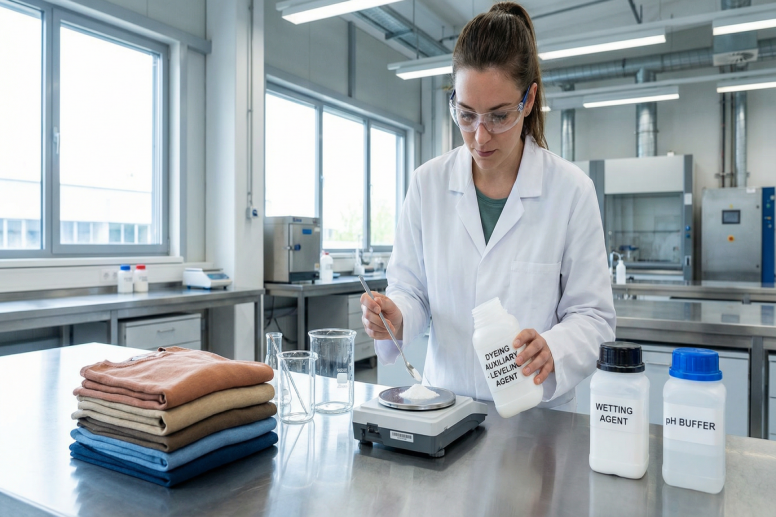
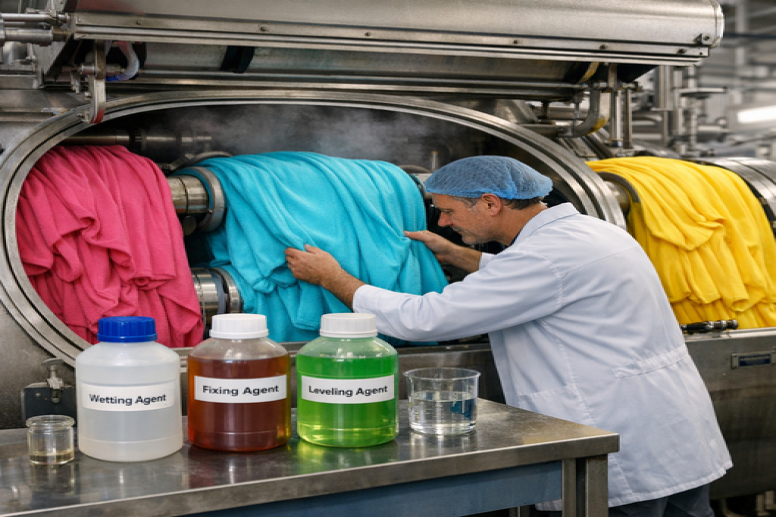
Wetting Agents
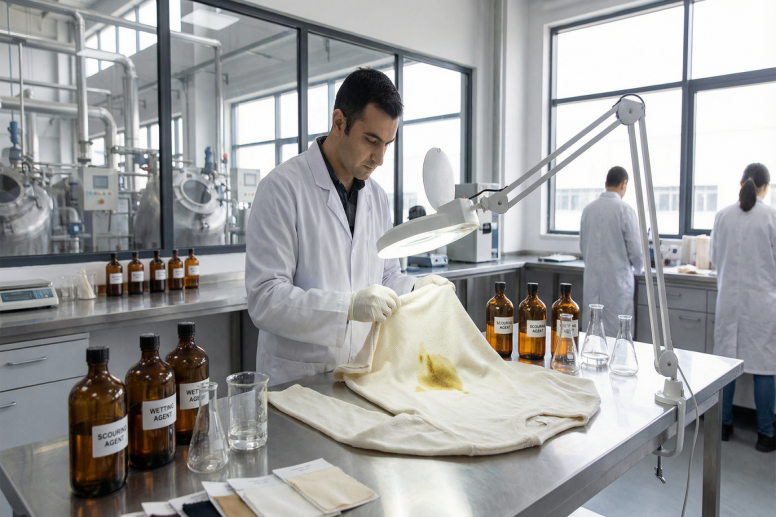
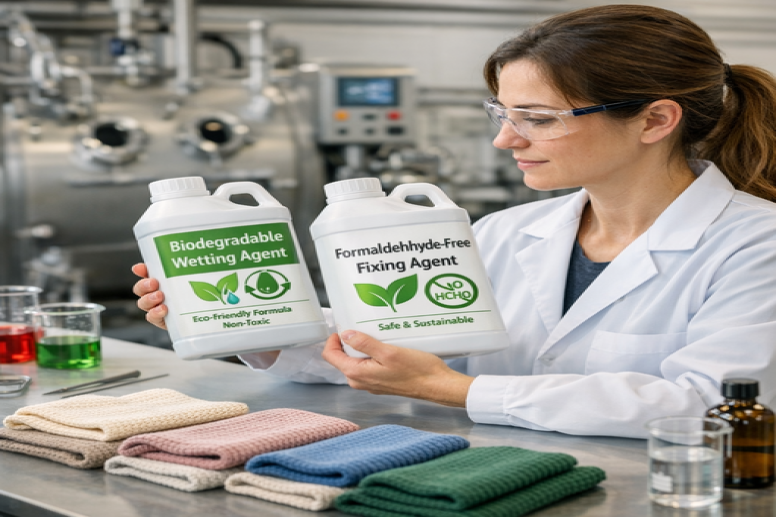
Wetting agents improve water penetration into cotton fibers and remove trapped air from knit loops.
Benefits
Improved dye contact with fibers
Better dye penetration
Higher color yield
Sequestering Agents
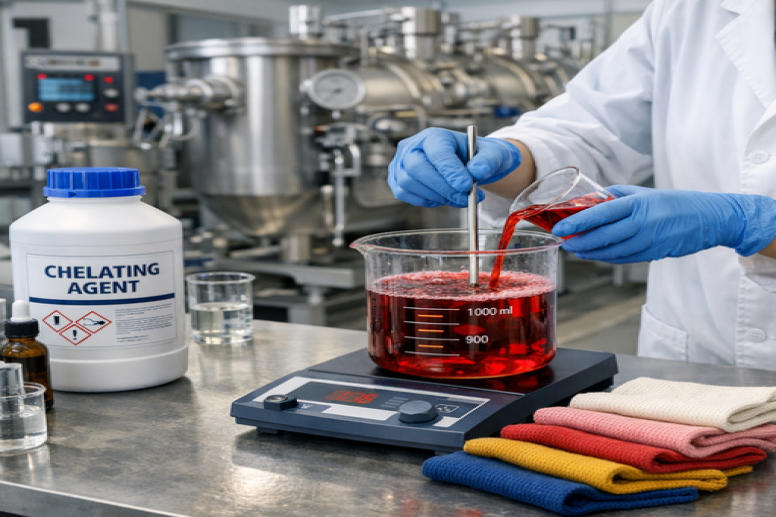
Sequestering agents bind metal ions present in process water and protect dyes from unwanted reactions.
Benefits
Stable dye bath conditions
Improved dye solubility
Reduced dye precipitation
Leveling Agents
Leveling agents control dye absorption speed and allow uniform dye migration.
Benefits
Balanced shade development
Reduced patchy dyeing
Lower need for shade correction
Fixing Agents
Fixing agents improve bonding between dye molecules and cotton fibers.
Benefits
Higher dye fixation rate
Reduced dye loss during washing
Improved color strength
Process Strategies to Reduce Dye Consumption
Chemical use should be combined with strong process management.
Important steps include
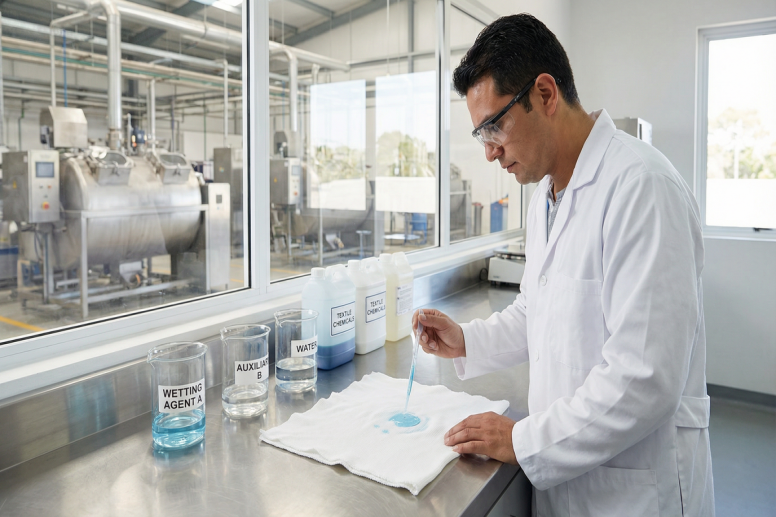
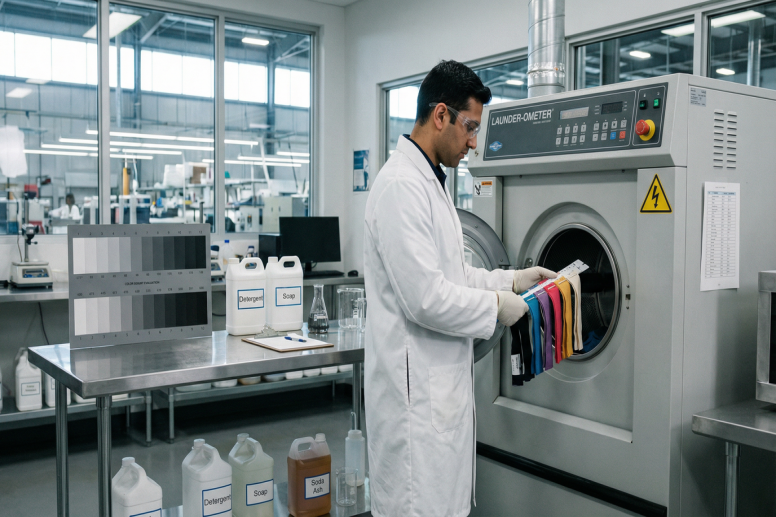
Conduct laboratory trials before bulk dyeing
Maintain proper dye bath temperature and pH
Add salt and alkali gradually
Ensure smooth fabric circulation inside dyeing machines
Monitor water quality and chemical dosage
These practices increase dye efficiency and reduce unnecessary dye use.
Benefits for Textile Dyeing Mills
Reducing dye consumption offers several advantages.
Lower dye cost per production batch
Higher color yield and shade strength
Reduced wastewater dye content
Improved environmental compliance
Better profit margin for dyeing mills
Conclusion
Reducing dye consumption remains a key goal for knit dyeing mills. Efficient use of textile auxiliaries improves dye uptake, stabilizes dye baths, and increases fixation efficiency.
Wetting agents, sequestering agents, leveling agents, and fixing agents support higher dye utilization. When mills combine proper auxiliaries with controlled dyeing processes, they achieve vibrant shades while reducing dye usage and production costs.