09 Mar
Sequestering Agent in Knit Dyeing, Function, Benefits, and Dosage
Learn the role of sequestering agents in knit dyeing. Understand how these textile auxiliaries control water hardness and improve dyeing performance in dyeing mills.
Sequestering Agent in Knit Dyeing
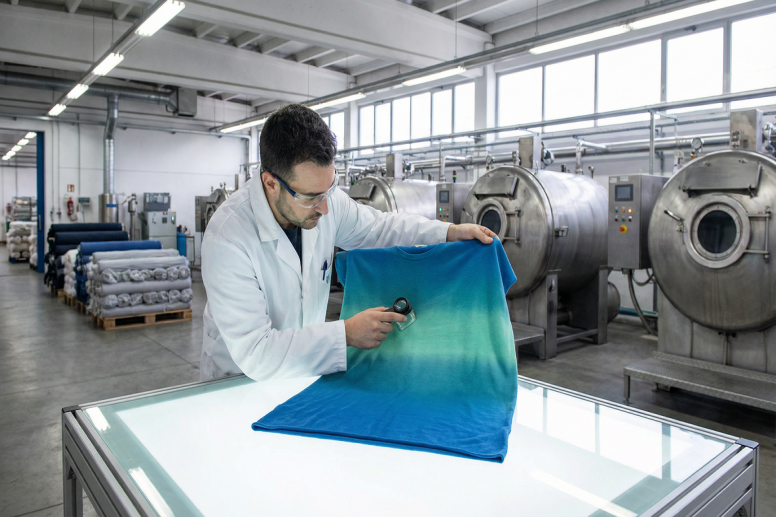
Water quality influences dyeing performance in textile mills. Hard water contains dissolved minerals such as calcium and magnesium ions. These minerals interfere with dyes and other auxiliaries during the dyeing process.
Sequestering agents control these metal ions and stabilize the dye bath. Textile dyeing mills use these chemicals during pretreatment, bleaching, and dyeing stages to maintain consistent dyeing performance.
Sequestering agents play a critical role in knit dyeing operations where stable dye bath conditions remain essential for uniform shade development.
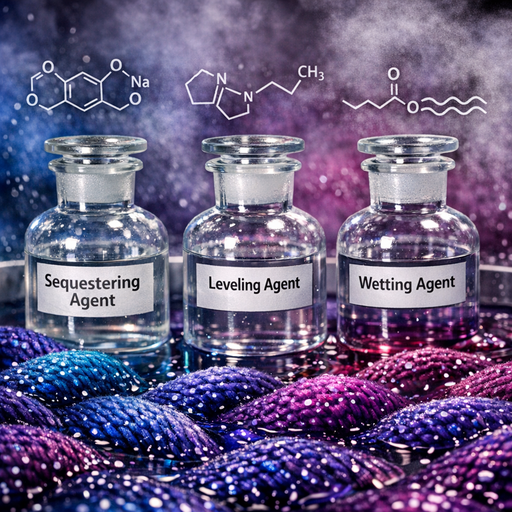
What Is a Sequestering Agent
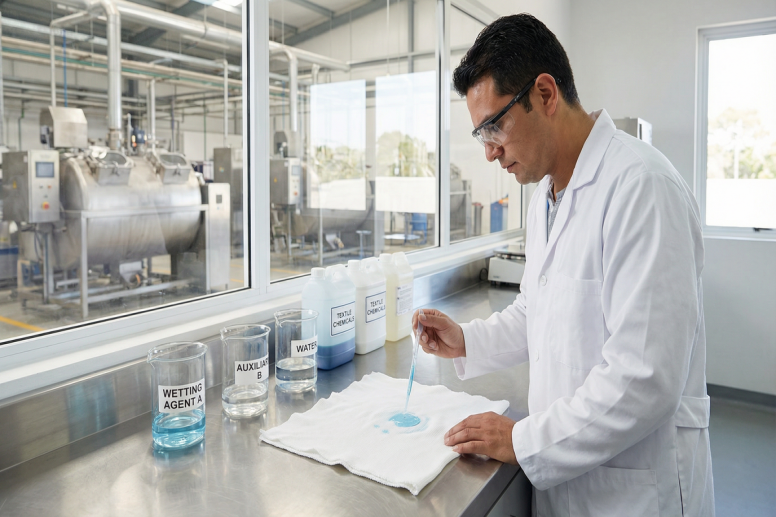
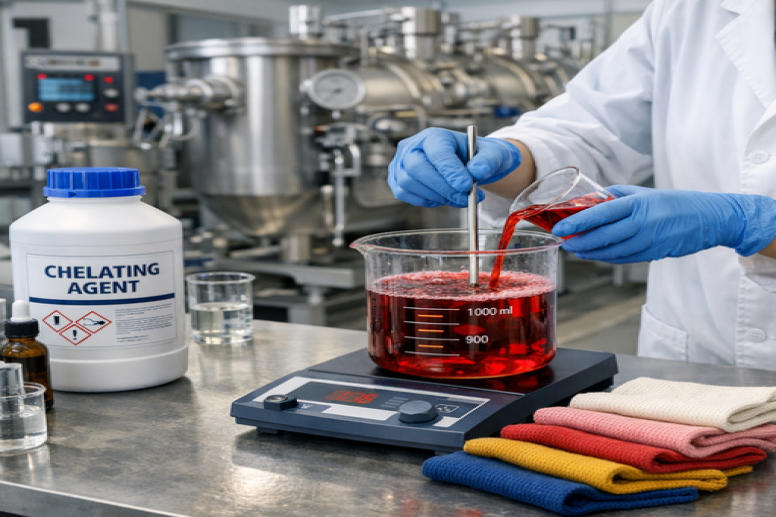
A sequestering agent is a chemical compound designed to bind metal ions present in water. These chemicals form stable complexes with calcium, magnesium, iron, and copper ions.
This chemical action prevents metal ions from reacting with dyes and auxiliaries in the dye bath.
In textile dyeing, sequestering agents protect dye stability and maintain chemical efficiency throughout the dyeing process.
Why Water Hardness Affects Dyeing
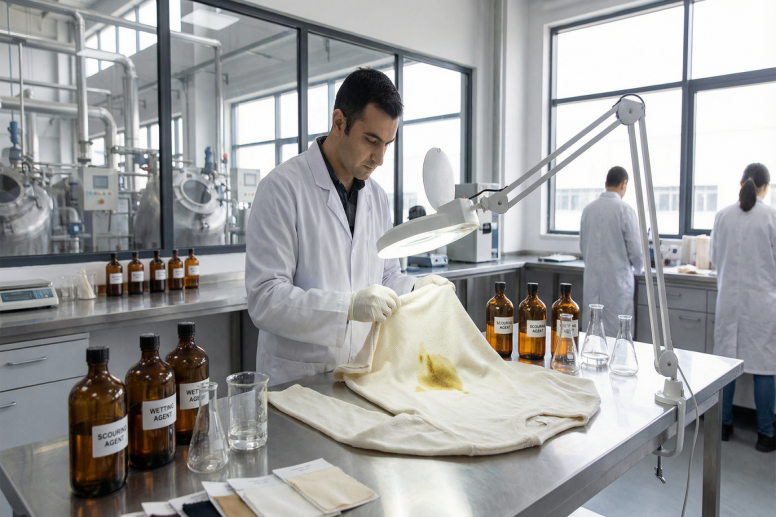
Hard water creates several problems in textile dyeing operations. Calcium and magnesium ions react with chemicals and reduce their effectiveness.
Common dyeing problems caused by hard water include
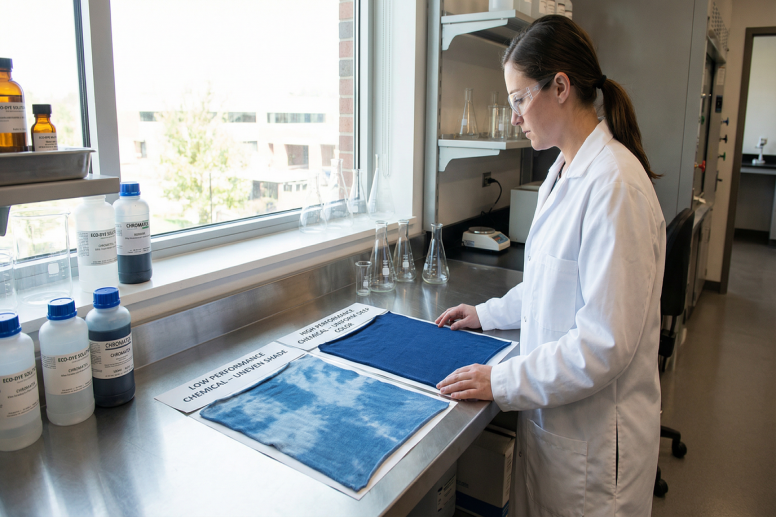
Uneven dyeing
Reduced dye fixation
Chemical precipitation
Poor washing performance
These problems increase production defects and raise processing costs for dyeing mills.
Sequestering agents eliminate these issues through metal ion control.
Functions of Sequestering Agents in Knit Dyeing
Sequestering agents perform several important functions during dyeing.
Metal Ion Control
The chemical binds metal ions present in process water. This reaction prevents unwanted interactions with dyes and auxiliaries.
Dye Bath Stabilization
Stable dye bath conditions support even dye distribution across the fabric surface.
Improved Chemical Efficiency
Auxiliaries perform better when metal contamination remains under control.
Prevention of Chemical Precipitation
Sequestering agents prevent insoluble deposits formed by mineral reactions.
These functions maintain smooth dyeing operations.
Application Stages in Knit Dyeing
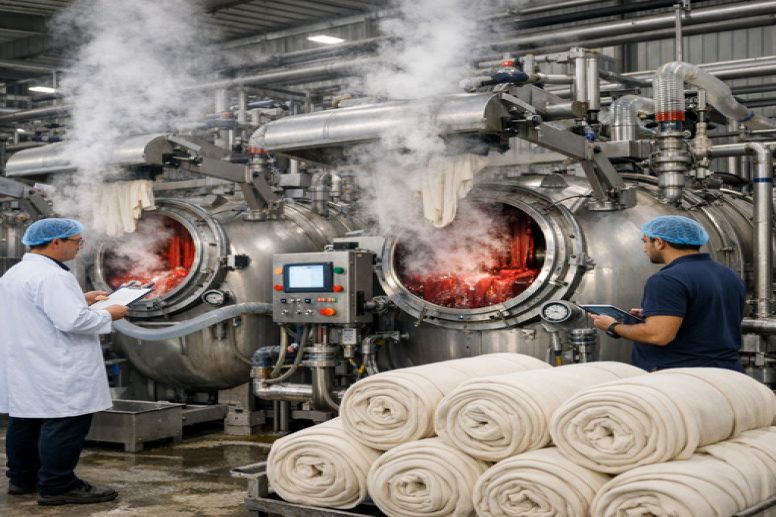
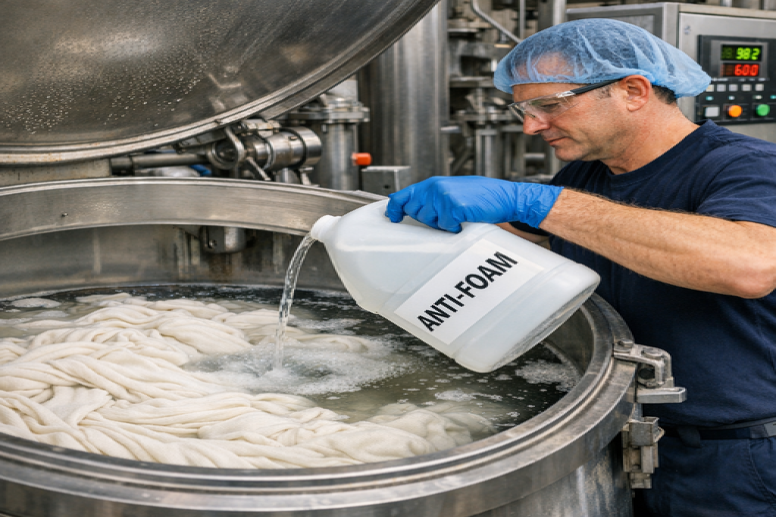
Textile mills apply sequestering agents during several stages of the dyeing process.
Pretreatment Stage
Water conditioning during scouring and bleaching improves impurity removal.
Bleaching Process
Metal ions influence hydrogen peroxide stability. Sequestering agents stabilize the bleaching bath.
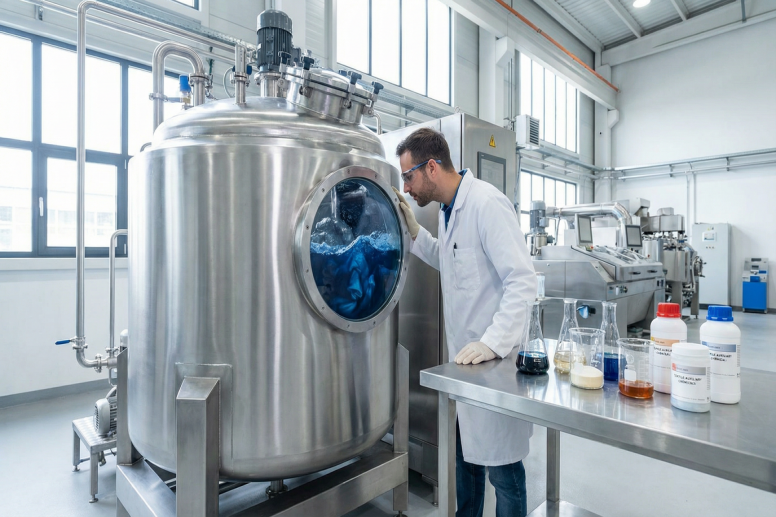
Dyeing Stage
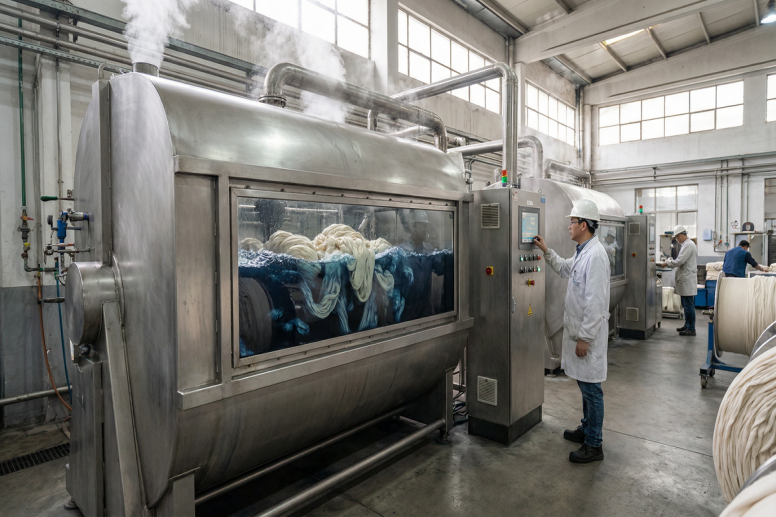
Stable dye bath conditions support uniform dye penetration and shade consistency.
These stages require accurate dosage for effective water conditioning.
Typical Dosage in Knit Dyeing
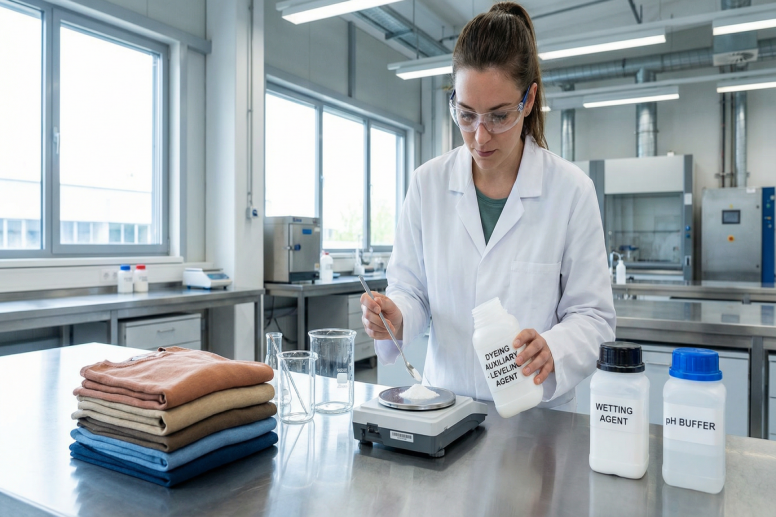
Sequestering agent dosage depends on water hardness and machine conditions.
Typical dosage range
0.5 to 1.0 g/l
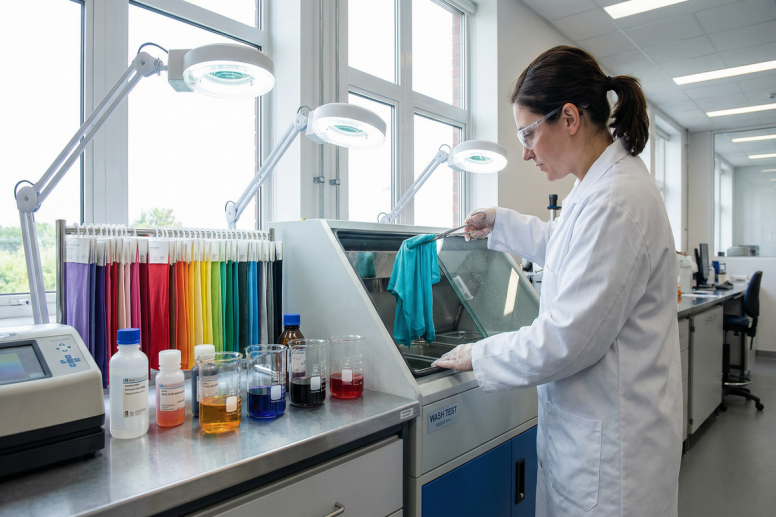
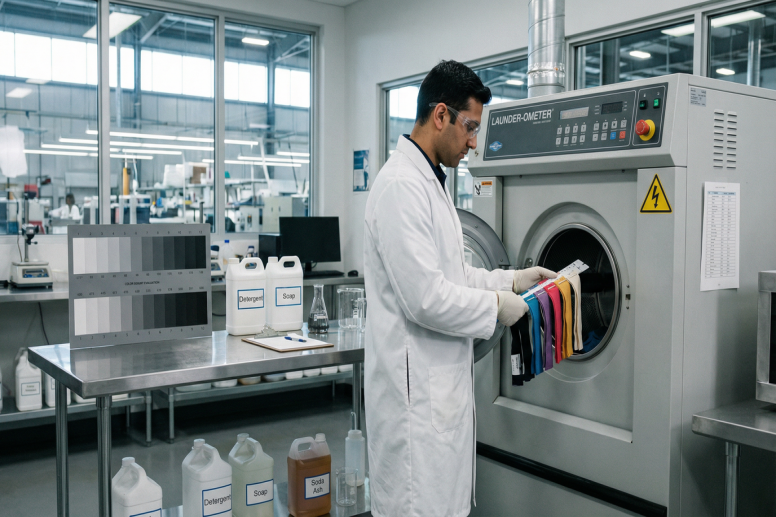
Dyeing mills perform water hardness testing before determining chemical dosage.
Accurate dosing improves process efficiency and chemical performance.
Benefits for Dyeing Mills
Use of sequestering agents provides several operational advantages.
Major benefits include
Stable dye bath conditions
Uniform dye penetration
Reduced dyeing defects
Improved washing efficiency
Protection of dyeing machinery
These benefits improve production reliability in knit dyeing plants.
Selecting the Right Sequestering Agent
Dyeing mills evaluate several factors before selecting a sequestering agent.
Important selection criteria include
Strong metal ion binding ability
Compatibility with dyes and auxiliaries
Stability at high temperature
Environmental compliance
High performance sequestering agents maintain efficiency across different water conditions.
Environmental Compliance
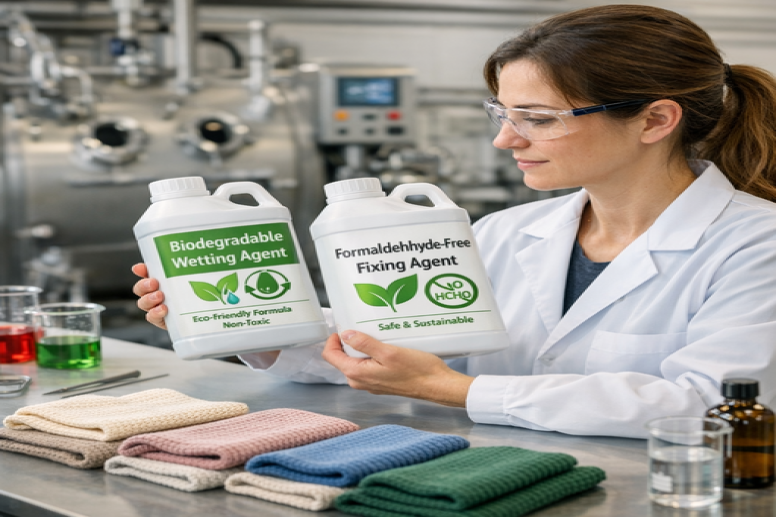
Modern textile production requires responsible chemical management. International apparel brands demand environmentally safe chemicals.
Common certifications required in textile auxiliaries include
ZDHC chemical compliance
OEKO TEX certification
GOTS approval
Bluesign standard
Certified sequestering agents support sustainable textile manufacturing.
Conclusion
Sequestering agents remain essential chemicals in knit dyeing operations. These auxiliaries control metal ions present in water and stabilize dye bath conditions. Proper water conditioning improves dye penetration, reduces dyeing defects, and supports efficient textile processing.
Dyeing mills achieve consistent production results when technical teams select suitable sequestering agents and maintain correct chemical dosage during the dyeing process.