10 Mar
Silicone Softener in Knit Dyeing, Function, Benefits, and Dosage in Textile Finishing
Learn how silicone softeners work in knit dyeing finishing. Understand their role in improving fabric softness, smoothness, and garment comfort.
Silicone Softener in Knit Dyeing
Fabric softness remains an important quality factor in knit garments. Cotton knit fabrics used for t-shirts, sportswear, and casual garments require smooth handles and comfortable touch.
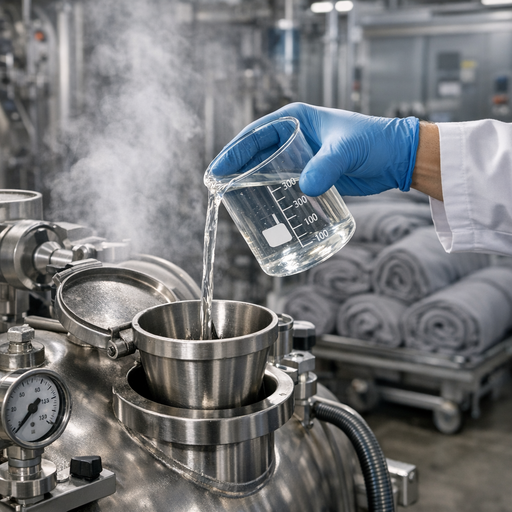
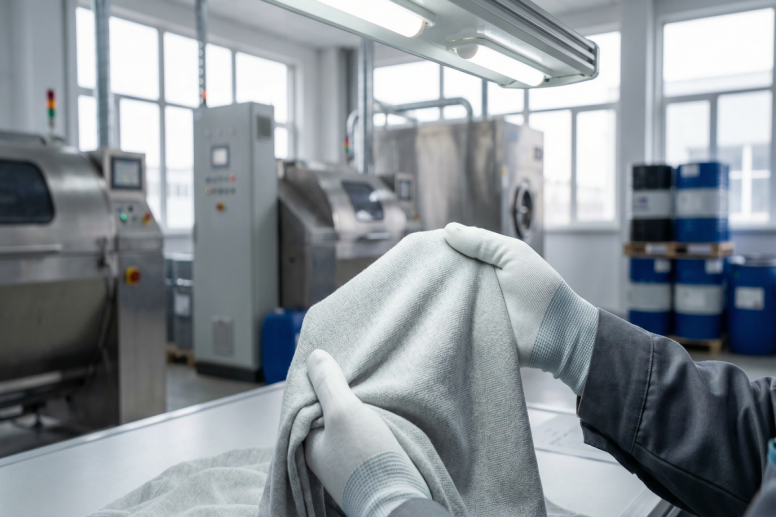
Silicone softeners improve the surface feel of dyed fabrics during the finishing stage. Textile dyeing mills apply silicone softeners after dyeing and washing processes to achieve soft fabric handle and improved fabric appearance.
These finishing auxiliaries create a smooth layer on the fiber surface and improve garment comfort.
What Is a Silicone Softener
A silicone softener refers to a textile finishing chemical designed to improve softness and smoothness of fabrics. The chemical contains silicone based polymers which form a thin flexible film on the fiber surface.
This film reduces friction between fibers and produces a soft and smooth fabric feel.
Silicone softeners remain widely used in knit fabric finishing because they deliver durable softness and smooth surface properties.
Importance of Silicone Softeners in Knit Fabrics
Knit garments require a comfortable fabric feel because these products remain in direct contact with the skin.
Without proper finishing treatment, dyed fabrics often feel rough or dry.
Common problems without softener treatment include
Rough fabric surface
Poor garment comfort
Reduced fabric flexibility
Lower product value
Silicone softeners solve these problems by improving fabric softness and flexibility.
Functions of Silicone Softeners
Silicone softeners perform several functions during textile finishing.
Improved Fabric Softness
The silicone film reduces fiber friction and produces soft hand feel.
Smooth Fabric Surface
The chemical creates a smooth surface which improves garment comfort.
Improved Fabric Flexibility
Silicone softeners increase fabric elasticity and drape.
Enhanced Fabric Appearance
Soft finishing produces attractive fabric texture and improved quality perception.
These functions support high quality garment production.
Application Stage in Knit Dyeing
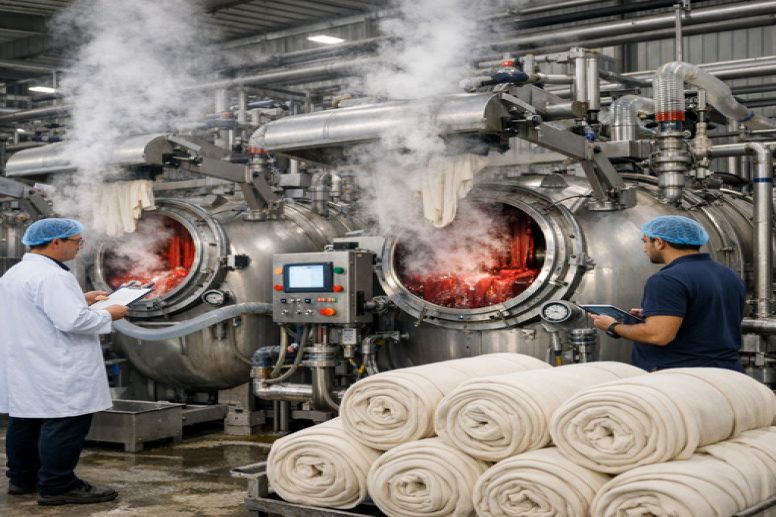
Textile dyeing mills apply silicone softeners during the finishing stage after dyeing and washing processes.
Typical application methods include
Padding process
Exhaust finishing process
Spray finishing process
The finishing method depends on fabric type and production equipment.
Typical Dosage in Textile Finishing
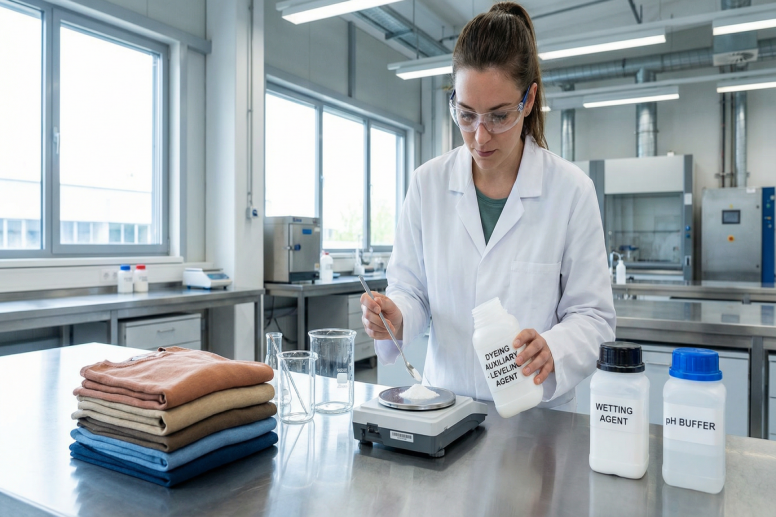
Silicone softener dosage depends on softness requirement and fabric type.
Typical dosage range
10 to 30 g/l
Higher dosage produces stronger softness effect. Technical teams determine dosage through laboratory testing and production trials.
Benefits for Textile Dyeing Mills
Silicone softeners improve fabric quality and product value.
Major benefits include
Soft and smooth fabric feel
Improved garment comfort
Better fabric drape
Higher market value of finished fabric
These benefits support competitive textile production.
Selection Criteria for Silicone Softeners
Textile finishing teams evaluate several factors before selecting silicone softeners.
Important criteria include
Strong softness performance
Stability during finishing process
Compatibility with dyed fabrics
Environmental compliance
Proper chemical selection ensures stable finishing results.
Environmental Compliance
Global apparel brands require safe and responsible chemical use during textile production. Dyeing mills must follow chemical safety standards.
Common certification standards include
ZDHC chemical compliance
OEKO TEX certification
GOTS approval
Bluesign chemical standard
Certified finishing chemicals support sustainable textile manufacturing.
Conclusion
Silicone softeners remain essential finishing auxiliaries in knit dyeing operations. These chemicals improve fabric softness, flexibility, and garment comfort. Proper softener application enhances fabric appearance and increases product value.
Textile dyeing mills achieve consistent finishing quality when technical teams select suitable silicone softeners and maintain correct chemical dosage during the finishing stage.