11 Mar
Bangladesh Knit Dyeing Industry Chemical Demand Analysis
Explore the growing demand for textile chemicals in the Bangladesh knit dyeing industry and the factors driving chemical consumption in dyeing mills
Bangladesh Knit Dyeing Industry Chemical Demand
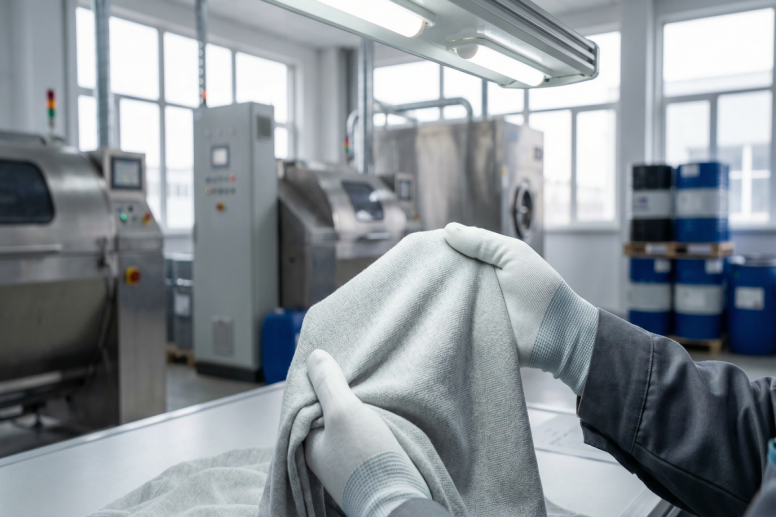
Bangladesh ranks among the largest textile manufacturing hubs in the world. Knit fabric production forms a major segment of the national textile industry. Dyeing and wet processing units consume large quantities of dyes and textile auxiliaries to meet global garment export demand.
The chemical demand in knit dyeing mills continues to grow as production capacity expands and sustainability requirements increase.
Textile engineers, chemical suppliers, and dyeing mills must understand market demand patterns to maintain efficient chemical supply and production stability.
Overview of the Knit Dyeing Sector in Bangladesh
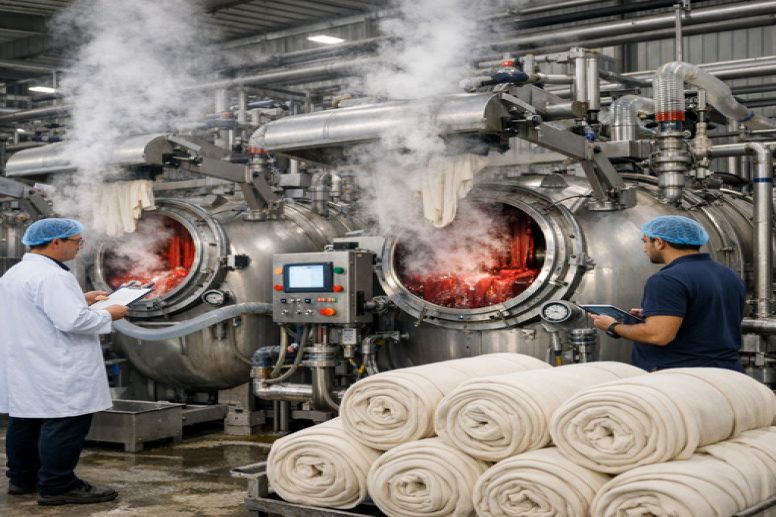
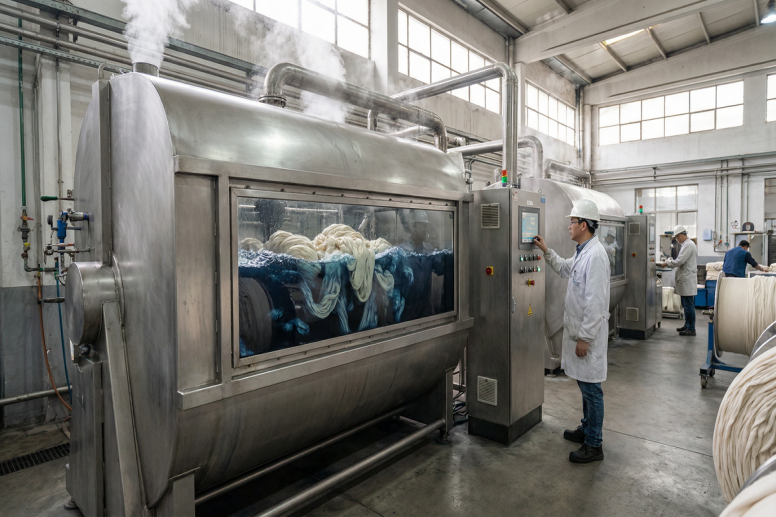
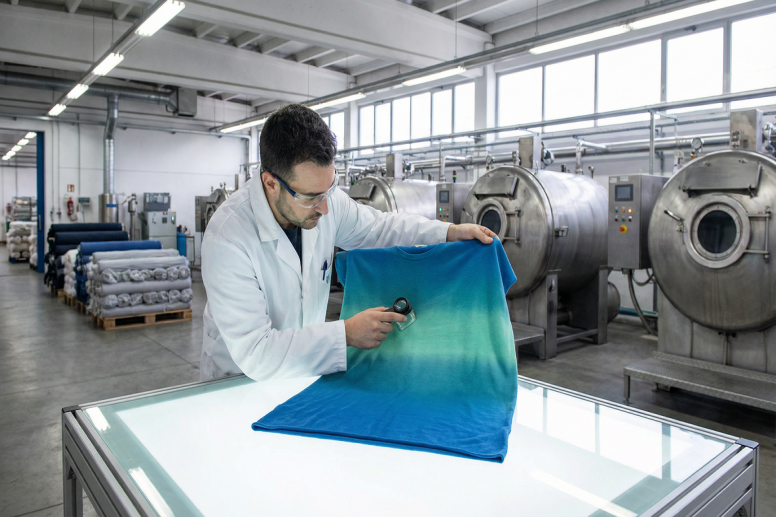
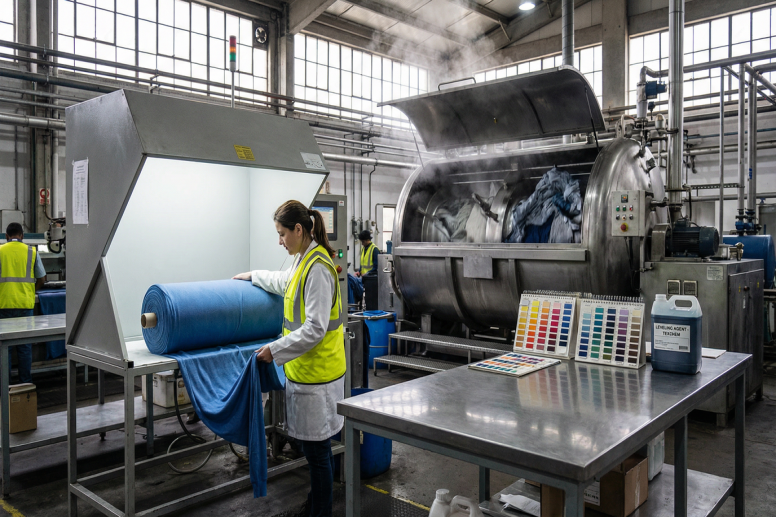
Bangladesh hosts a large number of knit fabric dyeing mills supporting the ready made garment export industry. Most dyeing facilities process cotton knit fabrics used in T shirts, polo shirts, underwear, and sportswear.
The knit dyeing industry supports global apparel brands and retailers.
Major industry organizations such as Bangladesh Garment Manufacturers and Exporters Association and Bangladesh Knitwear Manufacturers and Exporters Association represent thousands of garment and knitwear manufacturing companies.
These companies depend on consistent chemical supply for continuous production.
Types of Textile Chemicals Used in Knit Dyeing
Knit dyeing mills use a wide range of textile chemicals during wet processing operations.
Major chemical categories include
reactive dyes for cotton knit fabrics
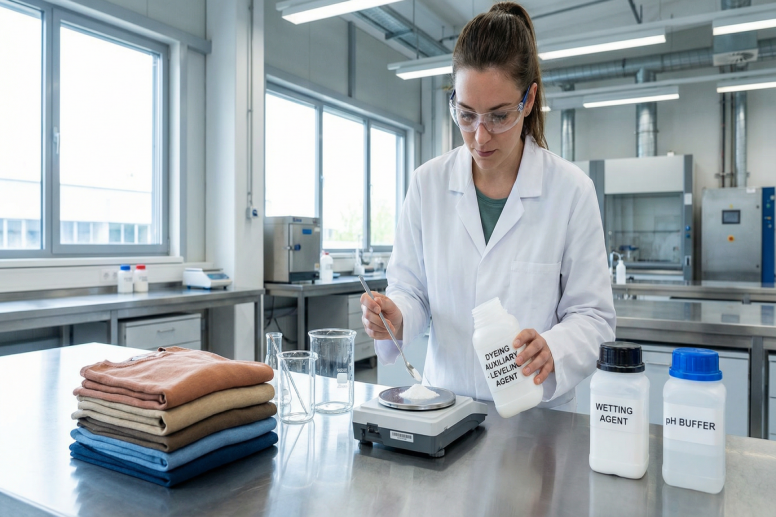
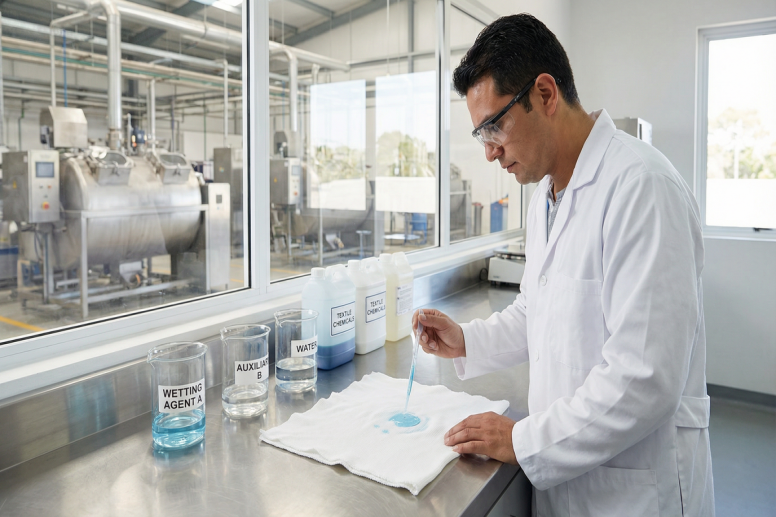
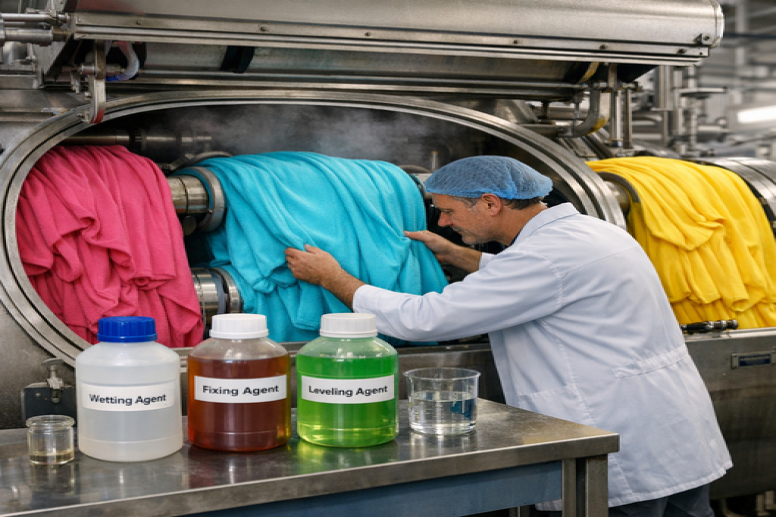
wetting agents for fabric penetration
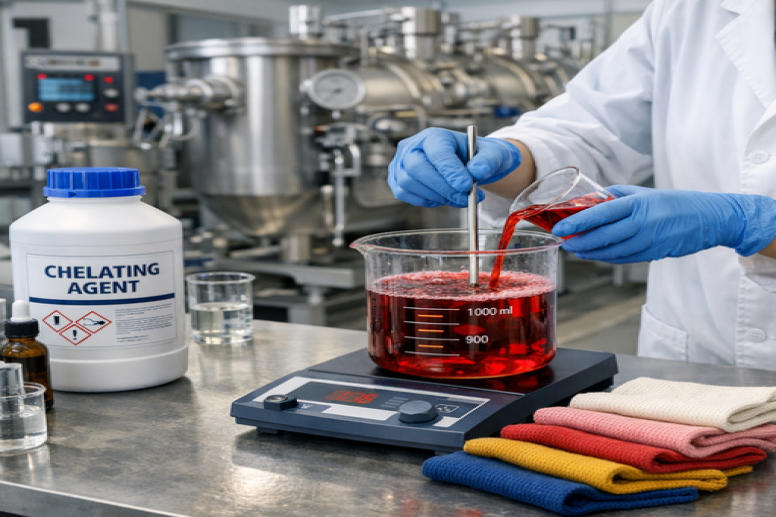
sequestering agents for water hardness control
leveling agents for uniform dye absorption
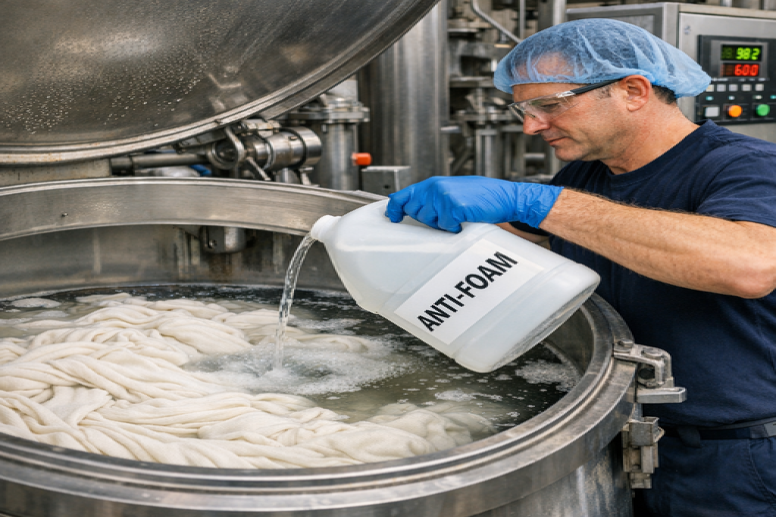
anti foaming agents for dye bath stability
fixing agents for improved dye fixation
These chemicals ensure stable dyeing processes and consistent fabric quality.
Estimated Chemical Consumption in Dyeing Mills
A typical knit dyeing mill processes large volumes of fabric each day. Chemical consumption depends on machine capacity, fabric type, and production volume.
Average chemical consumption pattern in cotton knit dyeing includes
3 to 6 percent auxiliaries based on fabric weight
significant salt and alkali consumption during reactive dyeing
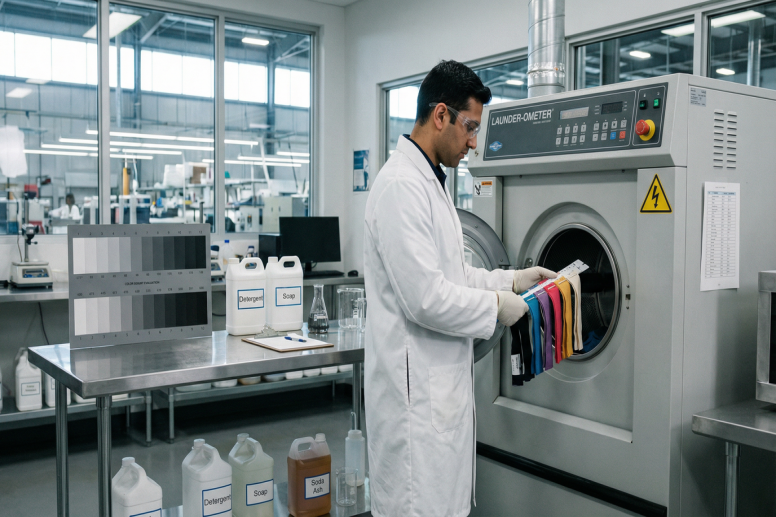
large volumes of washing and soaping chemicals
As textile exports grow, demand for these chemicals increases proportionally.
Factors Driving Chemical Demand Growth
Several factors influence the increasing demand for textile chemicals in Bangladesh.
Expansion of Knit Fabric Production
The ready made garment sector continues to expand to meet international demand. Higher fabric production increases chemical consumption in dyeing mills.
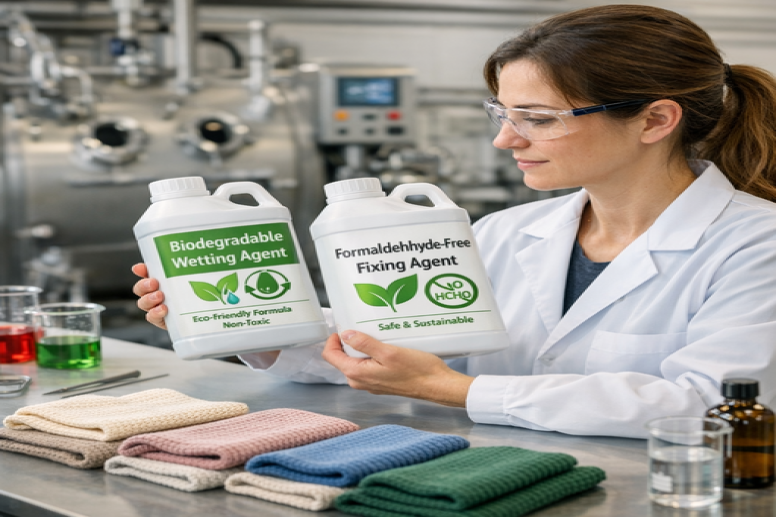
Shift Toward Sustainable Chemicals
Global brands demand environmentally responsible textile processing. Dyeing mills adopt compliant chemicals to meet sustainability requirements.
Programs developed by Zero Discharge of Hazardous Chemicals Foundation influence chemical selection across the industry.
Technology Upgradation in Dyeing Mills
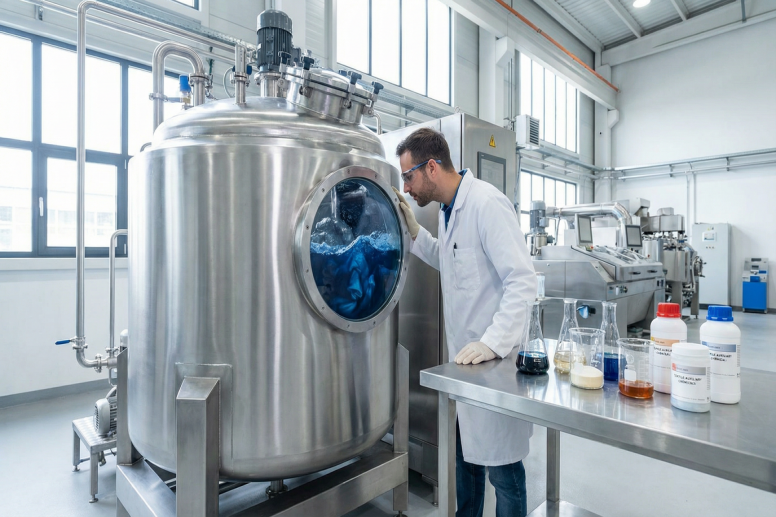
Modern dyeing machines require specialized auxiliaries for improved process efficiency and reduced water consumption.
These technological changes increase demand for advanced chemical formulations.
Role of Textile Chemical Suppliers
Chemical suppliers support knit dyeing mills through both product supply and technical service.
Key contributions include
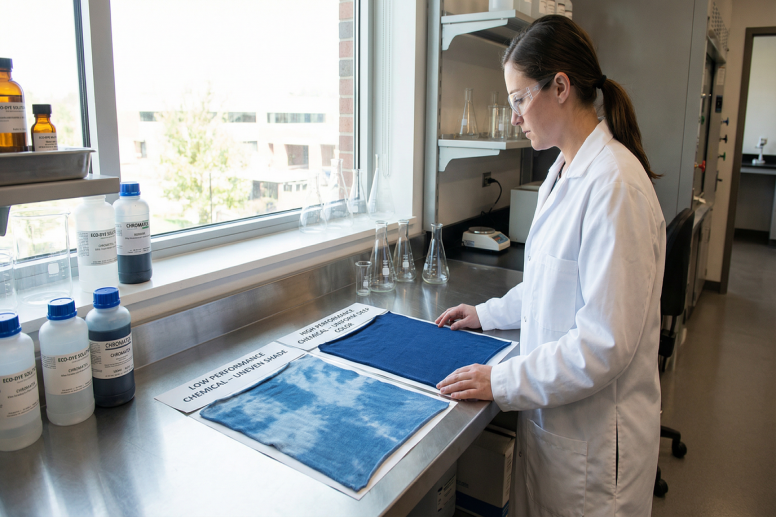
supply of high performance textile auxiliaries
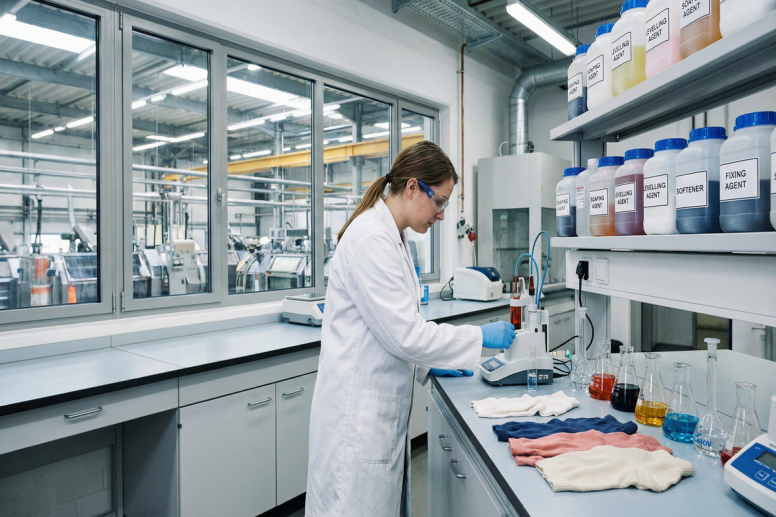
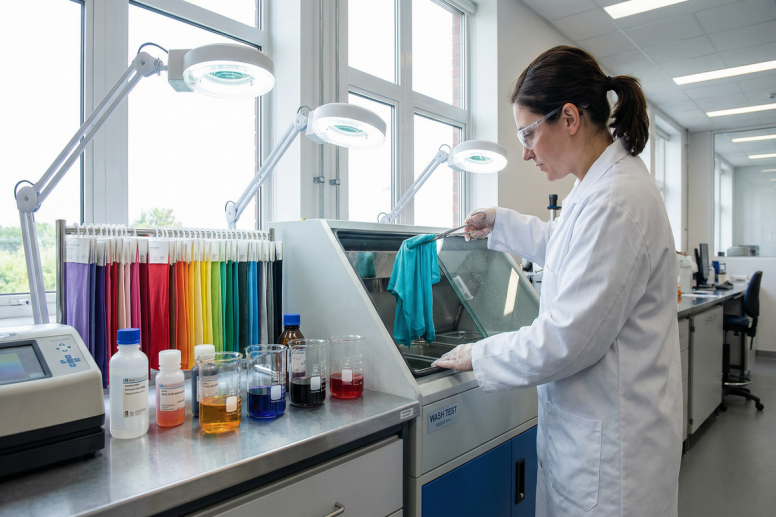
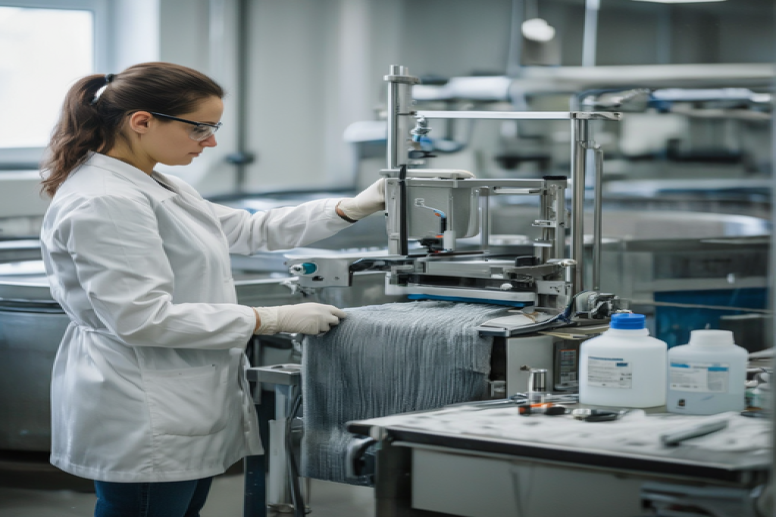
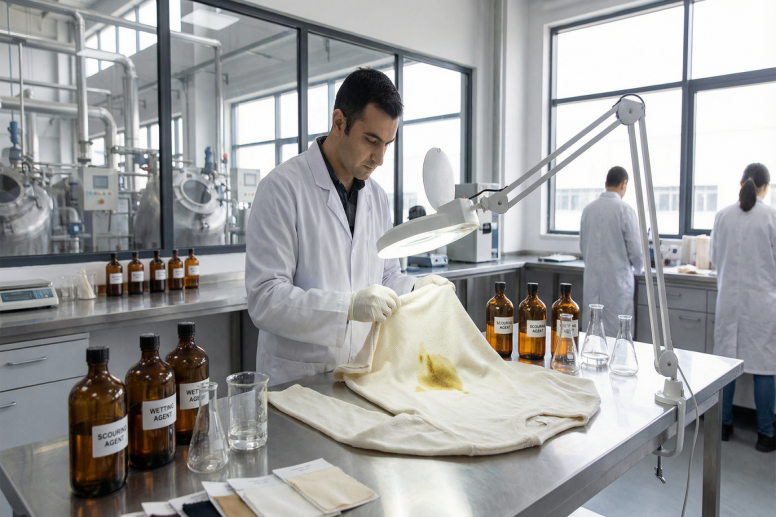
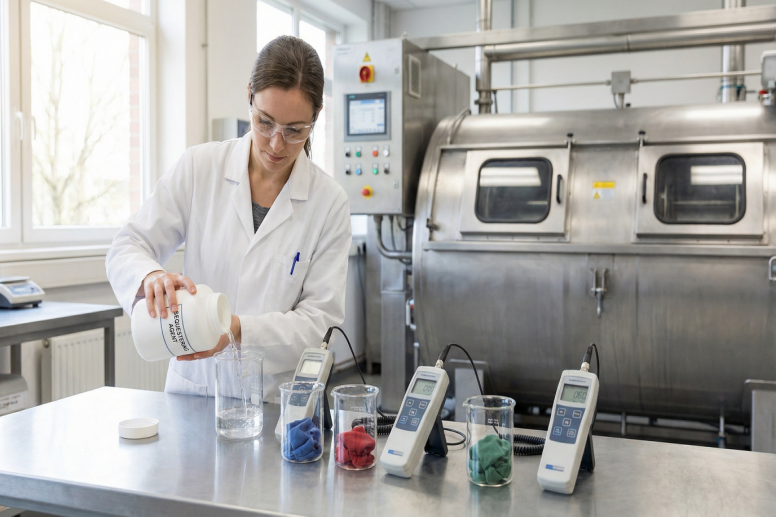
laboratory support for dyeing trials
process optimization assistance
chemical compliance documentation
Strong collaboration between mills and chemical suppliers improves dyeing efficiency.
Challenges in Chemical Supply
Despite strong demand, the textile chemical market in Bangladesh faces several challenges.
Common challenges include
price volatility of imported raw materials
strict environmental regulations
quality consistency issues among suppliers
Chemical suppliers must maintain reliable quality and technical support to compete in this market.
Future Outlook of Chemical Demand
The future of chemical demand in Bangladesh knit dyeing sector remains strong.
Several trends will shape the market
increased demand for sustainable textile chemicals
higher adoption of low temperature dyeing auxiliaries
increased use of biodegradable surfactants
stronger chemical compliance requirements
These developments will influence chemical innovation and supply strategies.
Conclusion
The knit dyeing industry in Bangladesh represents a major consumer of textile dyes and auxiliaries. Continuous growth of garment exports drives increasing chemical demand across dyeing mills.
Textile engineers and chemical suppliers must focus on efficient chemical management, sustainable formulations, and technical support to meet the evolving needs of the Bangladesh textile industry.